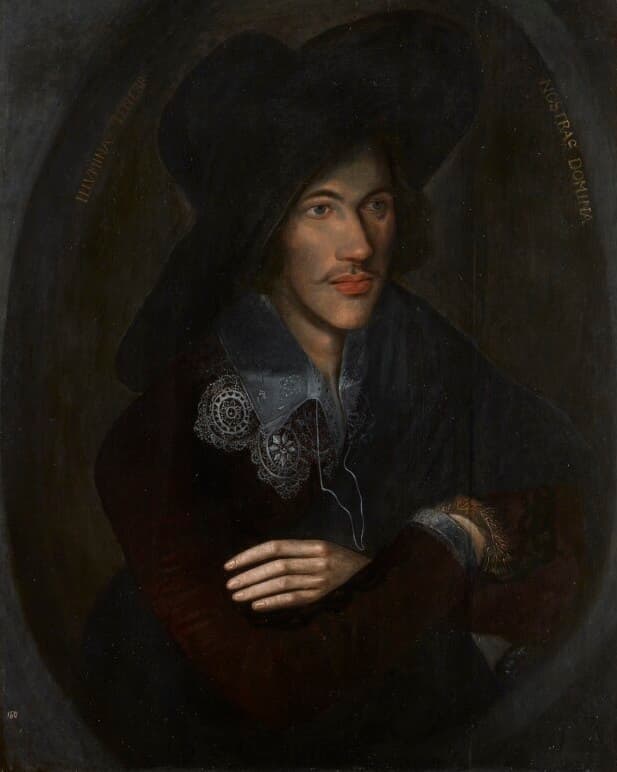
John Donne
John Donne was an English poet, scholar, and cleric, renowned as the foremost representative of the metaphysical poets. Born into a recusant family, he navigated a tumultuous early life marked by poverty and personal struggles, including a secret marriage to Anne More, with whom he had twelve children. His literary career began with a diverse array of works, including sonnets, love poems, and religious writings, characterized by their metaphorical richness and innovative use of metaphysical conceits. Donne's poetry often explored themes of love, religion, and the complexities of human experience, employing abrupt openings and paradoxes that set him apart from the smoother styles of his contemporaries. In addition to his poetry, Donne served as a cleric in the Church of England, ultimately becoming the Dean of St Paul's Cathedral in London. His sermons and writings reflected his deep engagement with the spiritual and moral questions of his time, as he sought to reconcile the secular and the divine. Despite his struggles with finances and personal challenges, Donne's literary output and unique voice left a lasting impact on English literature, influencing generations of poets and thinkers. His works continue to be celebrated for their emotional depth and intellectual rigor, solidifying his legacy as a pivotal figure in the evolution of English poetry.
Famous Quotes
View all 3 quotes“No man is an island, entire of itself; every man is a piece of the continent, a part of the main. If a clod be washed away by the sea, Europe is the less, as well as if a promontory were, as well as if a manor of thy friend's or of thine own were: any man's death diminishes me, because I am involved in mankind, and therefore never send to know for whom the bells tolls; it tolls for thee.”
“Be thine own palace, or the world's thy jail.”
“No spring nor summer beauty hath such grace as I have seen in one autumnal face." [ The Autumnal ]”
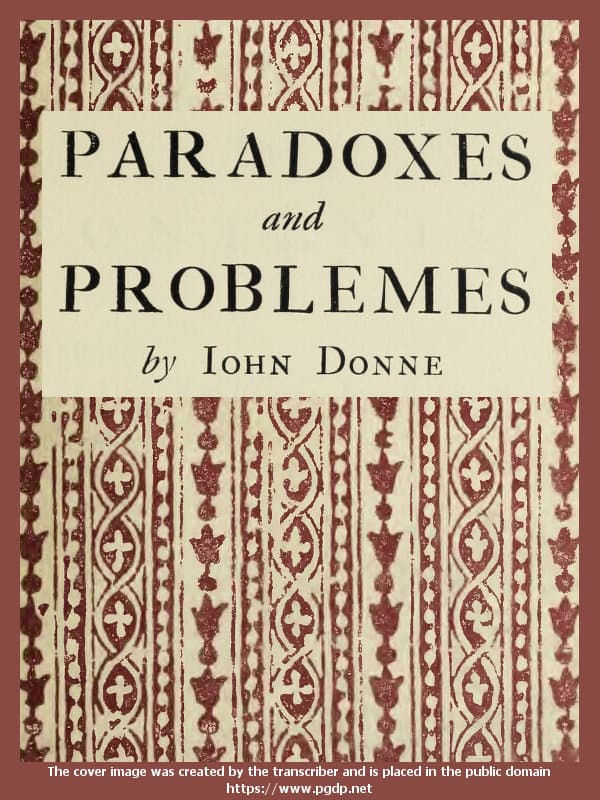
Books from the author





Link to this page
Add a free, dofollow link to Lex on your blog, forum, syllabus, or reading list.

<a href="https://lex-books.com/author/john-donne"><img src="https://lex-books.com/badges/read-on-lex.svg" alt="John Donne on Lex" width="160" height="40"></a>[](https://lex-books.com/author/john-donne)[url=https://lex-books.com/author/john-donne][img]https://lex-books.com/badges/read-on-lex.svg[/img][/url]John Donne on Lex: https://lex-books.com/author/john-donne