
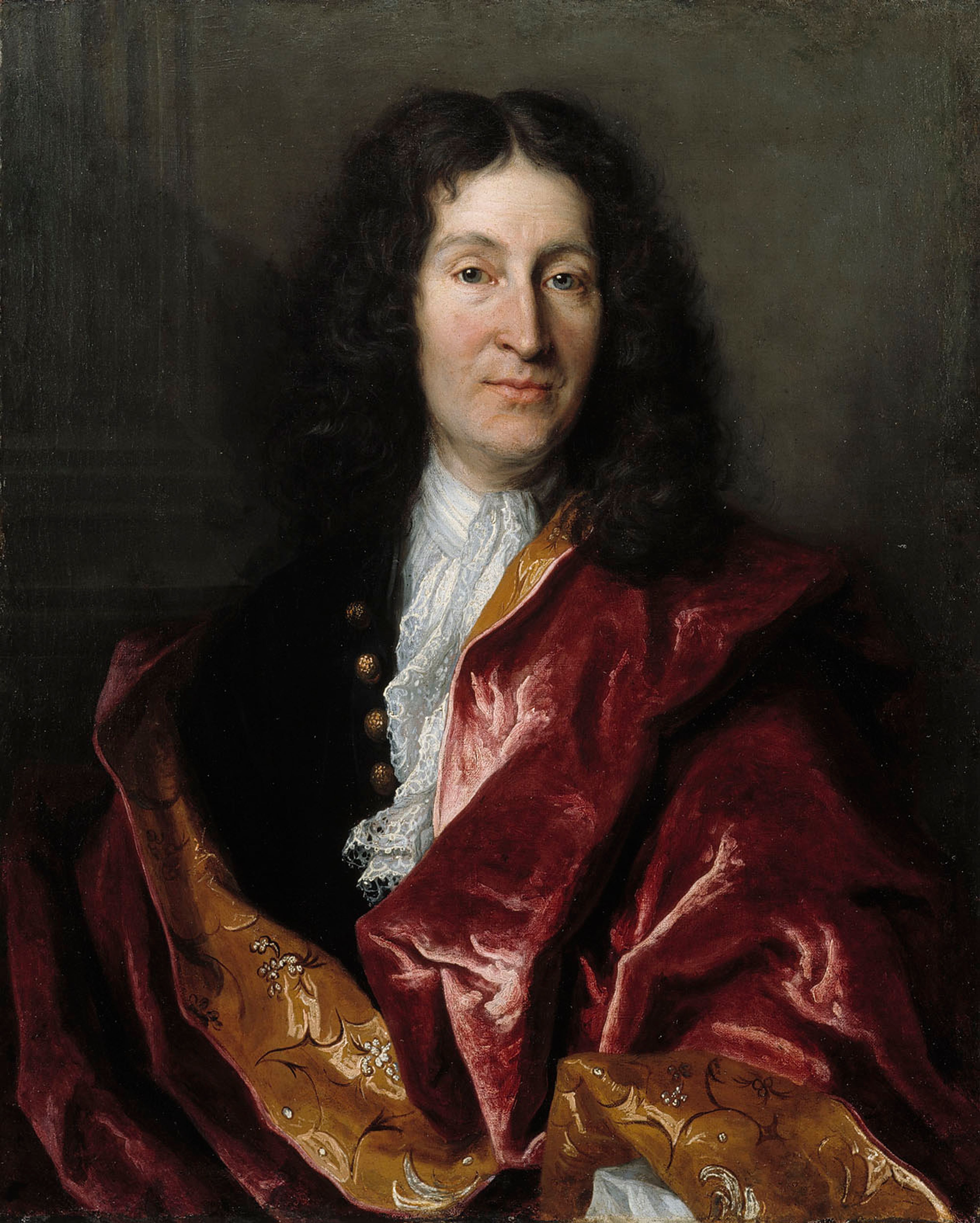
Jean de La Bruyère
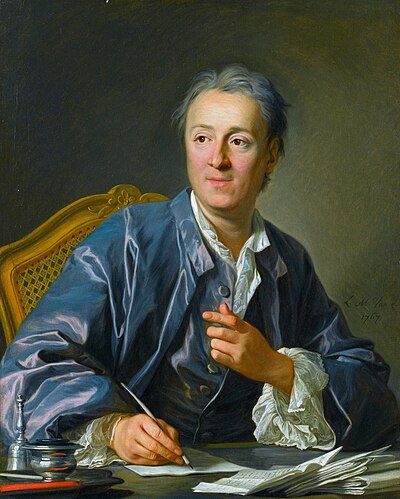
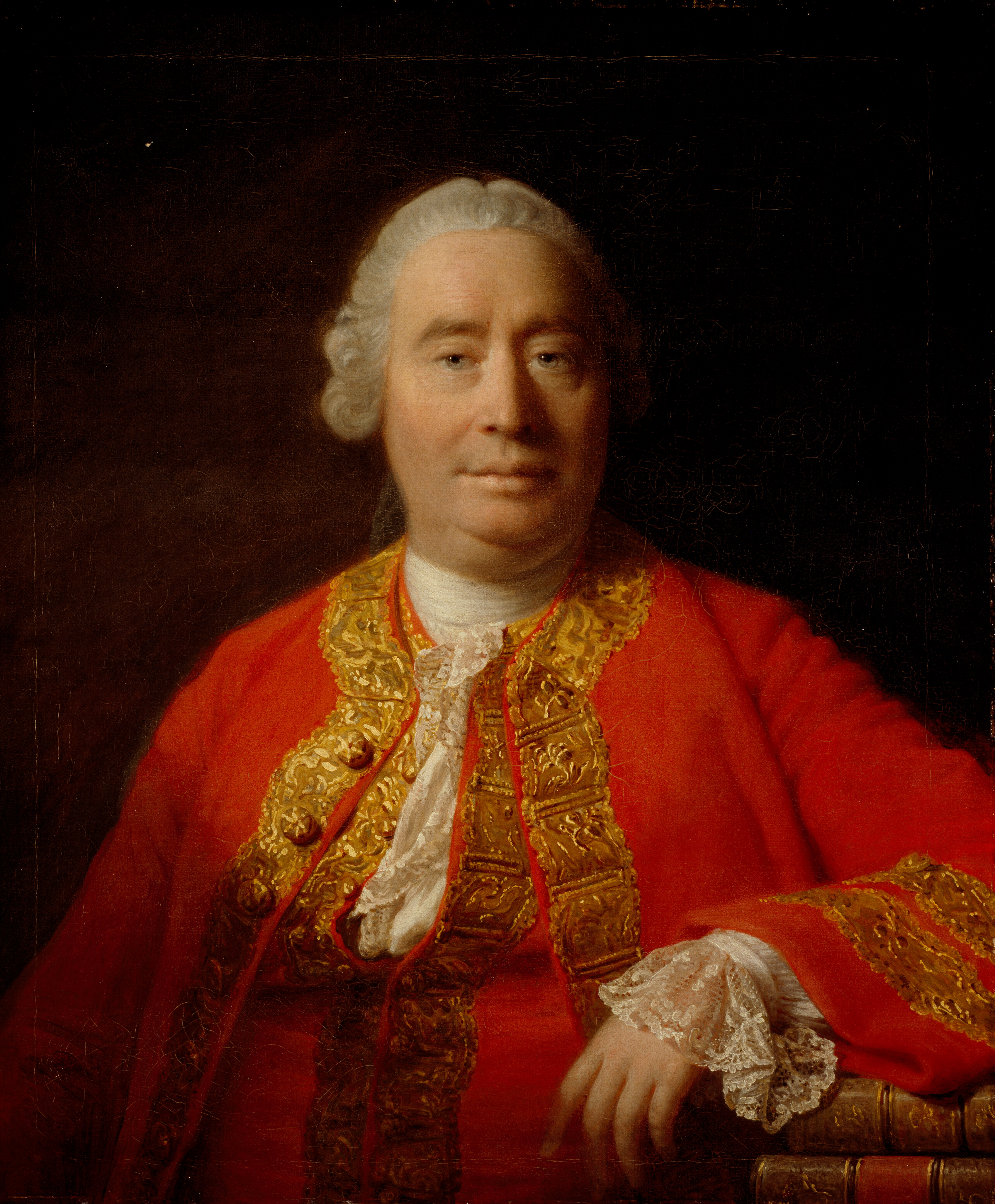
Jean de La Bruyère was a French philosopher and moralist best known for his work 'Les Caractères', a collection of character sketches and reflections on society that captured the essence of 17th-century French life. Born in Paris, La Bruyère was educated at the Collège de Navarre and later became a member of the French court, where he observed the intricacies of social behavior and the human condition. His sharp wit and keen insights into human nature allowed him to critique the moral and social fabric of his time, making him a significant figure in the transition from classical to modern thought in literature. 'Les Caractères', published in 1688, is notable for its innovative style and structure, blending essay and narrative forms. La Bruyère's observations on vanity, hypocrisy, and the complexities of social interactions resonated with his contemporaries and laid the groundwork for future writers of satire and social commentary. His work influenced notable figures such as Voltaire and Montesquieu, and his legacy endures as a precursor to modern character studies and psychological realism in literature. La Bruyère's ability to articulate the nuances of human behavior continues to be relevant, solidifying his place as a key figure in the canon of French literature.
Famous Quotes
View all 20 quotes“Those who make the worst use of their time are the first to complain of its brevity.””
“Two persons cannot long be friends if they cannot forgive each other's little failings.””
“Such a great misfortune, not to be able to be alone.””
Books from the author








Link to this page
Add a free, dofollow link to Lex on your blog, forum, syllabus, or reading list.

<a href="https://lex-books.com/author/jean-de-la-bruyère"><img src="https://lex-books.com/badges/read-on-lex.svg" alt="Jean de La Bruyère on Lex" width="160" height="40"></a>[](https://lex-books.com/author/jean-de-la-bruyère)[url=https://lex-books.com/author/jean-de-la-bruyère][img]https://lex-books.com/badges/read-on-lex.svg[/img][/url]Jean de La Bruyère on Lex: https://lex-books.com/author/jean-de-la-bruyère