An Account of Egypt
An Account of Egypt
Translated by G. C. (George Campbell) Macaulay
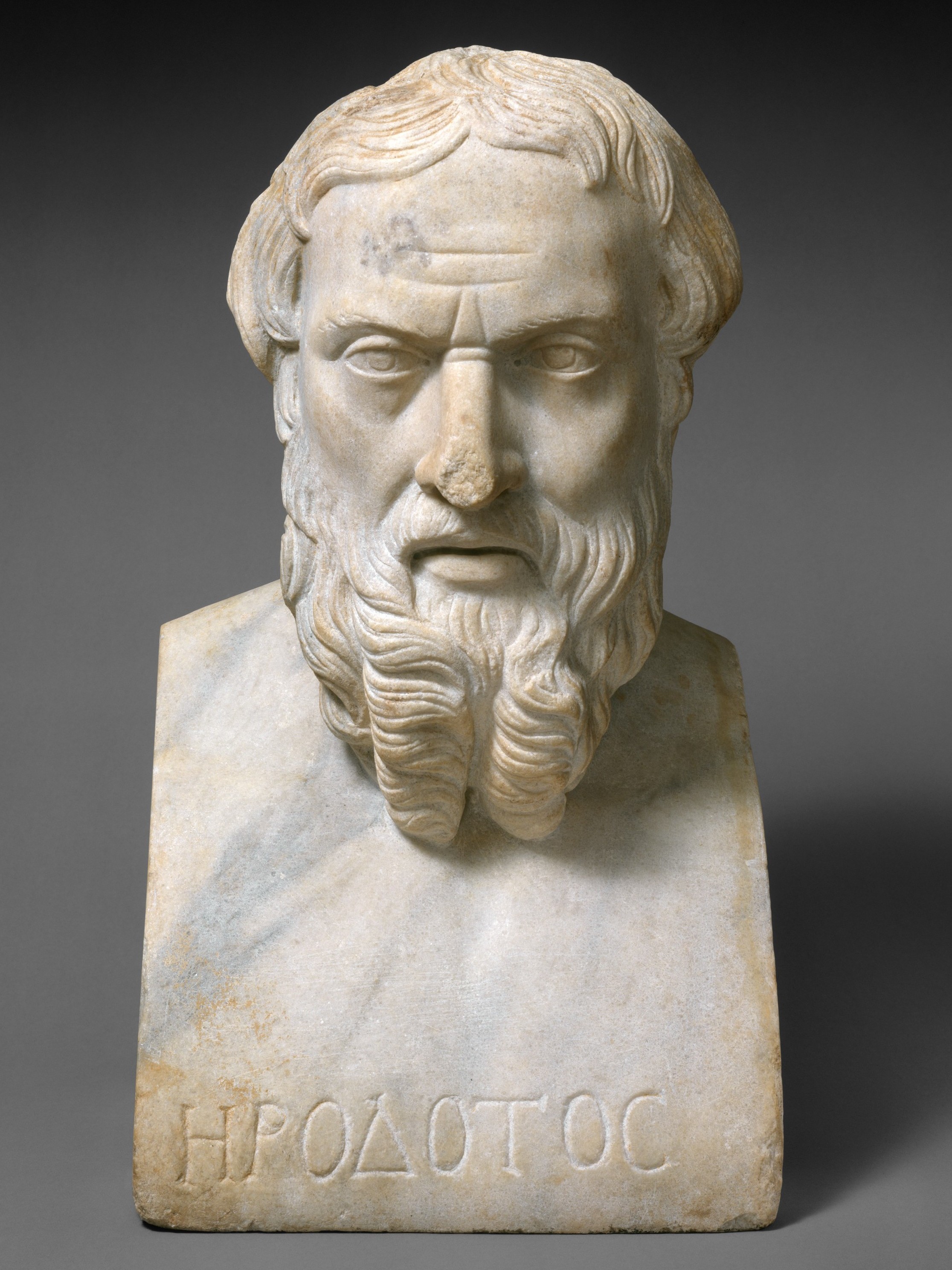
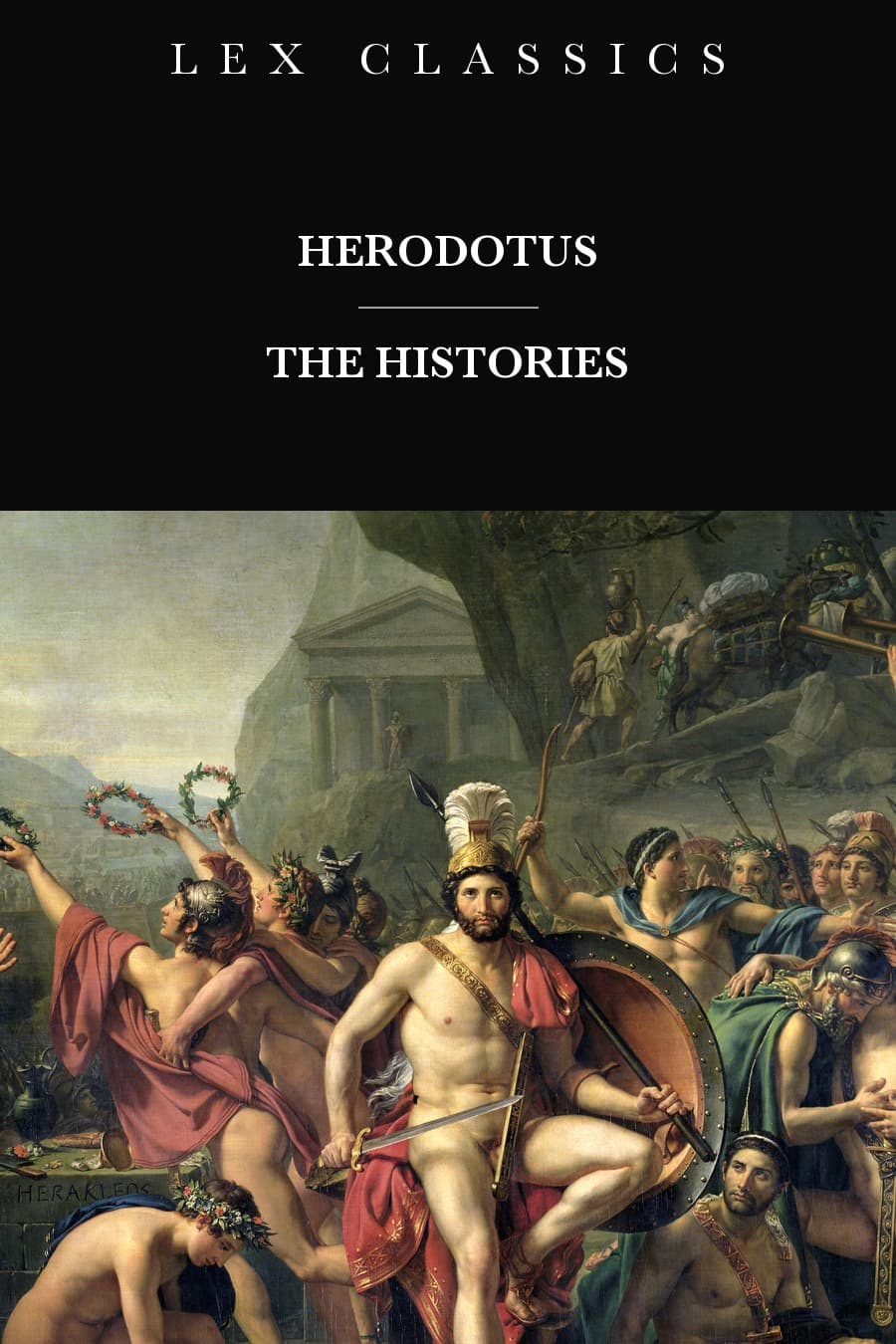
Written in the fifth century BC, this is the earliest surviving book devoted entirely to a single nation, and it remains one of the most peculiar and captivating works of antiquity. Herodotus, the man who gave himself the title of 'Father of History,' journeyed to Egypt and returned with observations that blur the line between careful inquiry and wondrous fabulation. He catalogs the Nile's annual flooding, describes priests with shaved heads and linen robes, explains why Egyptians worship crocodiles and revere the phoenix, and recounts the story of King Psammetichos who isolated two infants to discover which language humans would speak without instruction. The book also chronicles Egypt's fall to Cambyses of Persia, painting a portrait of a civilization at once ancient, sophisticated, and utterly foreign to Greek eyes. Herodotus writes with disarming simplicity, offering his readers not just history but the strange pleasure of encountering a world that operates by entirely different rules. For modern readers, it is a time machine to an Egypt that had already been old when the Parthenon was new.
Editions
X-Ray
“This I saw myself, and I found it greater than words can say. For if one should put together and reckon up all the buildings and all the great works produced by Hellenes, they would prove to be inferior in labour and expense to this labyrinth, though it is true that both the temple at Ephesos and that at Samos are works worthy of note. The pyramids also were greater than words can say, and each one of them is equal to many works of the Hellenes, great as they may be; but the labyrinth surpasses even the pyramids.””
— Herodotus
Link to this book
Add a free, dofollow link to Lex on your blog, forum, syllabus, or reading list.

<a href="https://lex-books.com/book/an-account-of-egypt-730b76fa-5e5b-4943-9c2b-e79e9c269af4"><img src="https://lex-books.com/badges/read-on-lex.svg" alt="Read An Account of Egypt by Herodotus free on Lex" width="160" height="40"></a>[](https://lex-books.com/book/an-account-of-egypt-730b76fa-5e5b-4943-9c2b-e79e9c269af4)[url=https://lex-books.com/book/an-account-of-egypt-730b76fa-5e5b-4943-9c2b-e79e9c269af4][img]https://lex-books.com/badges/read-on-lex.svg[/img][/url]Read An Account of Egypt by Herodotus free on Lex: https://lex-books.com/book/an-account-of-egypt-730b76fa-5e5b-4943-9c2b-e79e9c269af4Cite this book
Reading this edition for a paper or guide? Copy a citation.
Herodotus. An Account of Egypt. Lex, lex-books.com/book/an-account-of-egypt-730b76fa-5e5b-4943-9c2b-e79e9c269af4.Herodotus (n.d.). An Account of Egypt. Lex. https://lex-books.com/book/an-account-of-egypt-730b76fa-5e5b-4943-9c2b-e79e9c269af4Herodotus. An Account of Egypt. Lex. https://lex-books.com/book/an-account-of-egypt-730b76fa-5e5b-4943-9c2b-e79e9c269af4.