The History of Herodotus — Volume 1
600 BC
The History of Herodotus — Volume 1
600 BC
Translated by G. C. (George Campbell) Macaulay
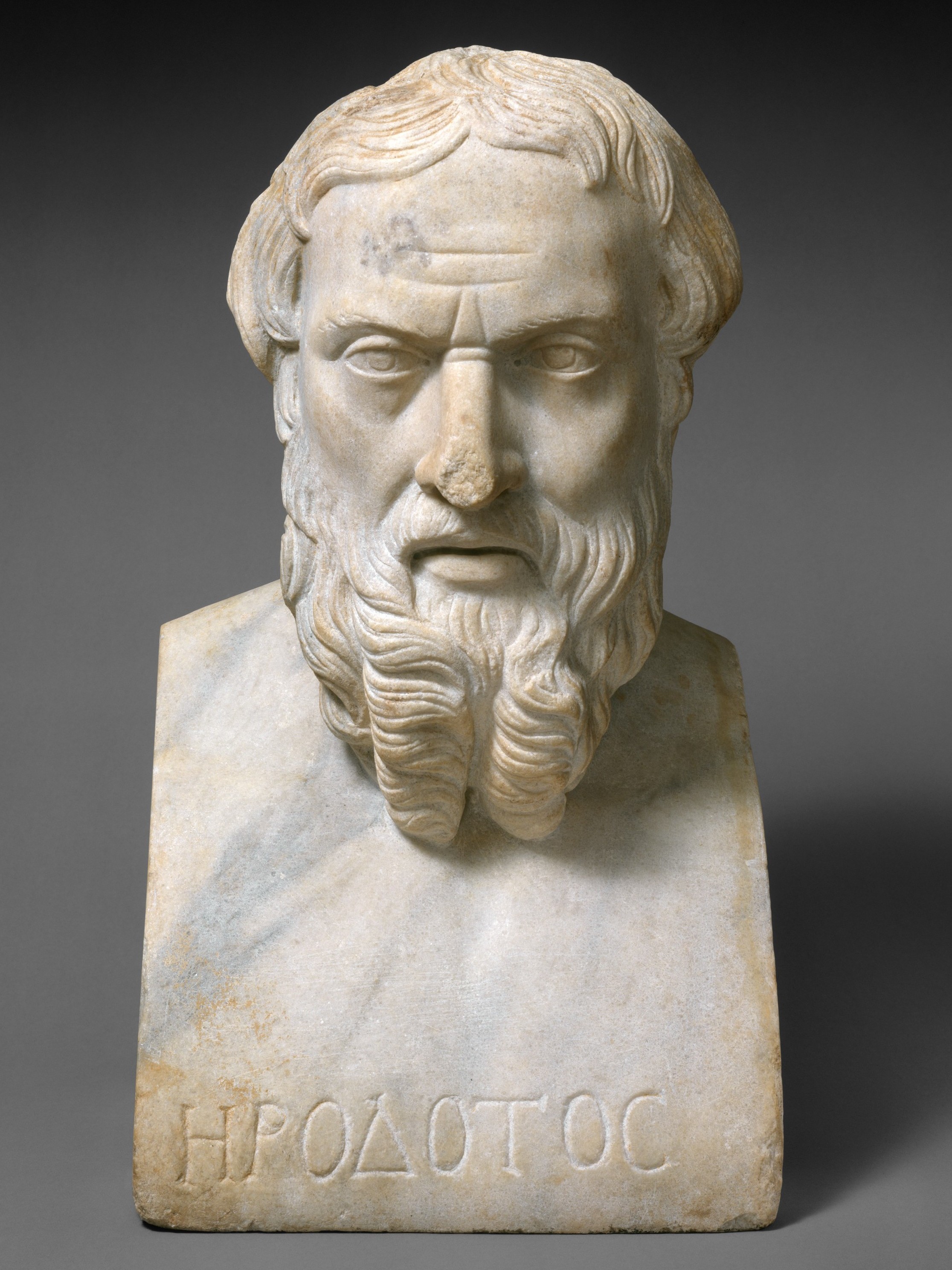
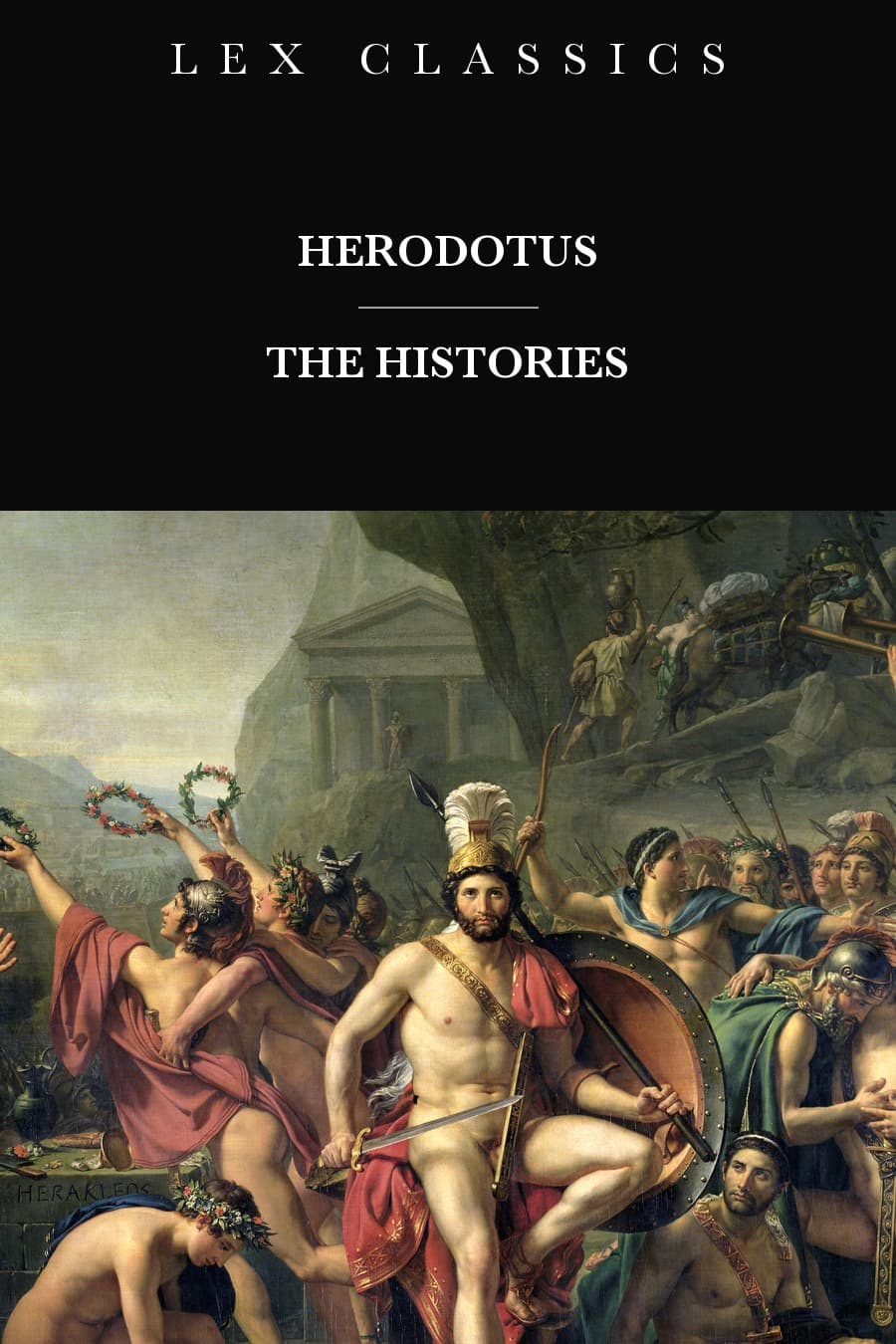
The first history ever written. That's what Herodotus gave the world in the 5th century BC: the audacious notion that human beings could understand their own past through inquiry, evidence, and storytelling. This is that book, the one that invented the word 'history' itself. Beginning with the abduction of women and the cycle of vengeance between East and West, Herodotus traces the origins of the great conflict between the Greek world and the Persian Empire. He introduces us to Croesus of Lydia, that cautionary figure of dazzling prosperity brought low, and wanders through digressions on Egyptian customs, Babylonian temples, and the lands and peoples of the known world. The tone is curious, digressive, and occasionally wry: this is not a dry chronicle but a living conversation with the past. Beneath the stories runs a moral philosophy as sharp today as it was twenty-five centuries ago: that human greatness is fragile, that hubris invites reversal, and that understanding other cultures might be the truest form of wisdom. For anyone who wants to know where history writing began, and why it still matters.
Editions
X-Ray
“philosophical writers after his time: nor again must his simplicity of thought and occasional quaintness be reproduced in the form of archaisms of language; and””
— Herodotus
“must his simplicity of thought and occasional quaintness be reproduced in the form of archaisms of language; and that not only because the affectation of an archaic””
— Herodotus
“THE HISTORY OF HERODOTUS””
— Herodotus
About The History of Herodotus — Volume 1
Chapter Summaries
- BOOK I. THE FIRST BOOK OF THE HISTORIES, CALLED CLIO
- Herodotus introduces his inquiry into the causes of conflict between Greeks and Barbarians, beginning with the Lydian empire. He recounts the rise and fall of Croesus, the last king of Lydia, his encounter with Solon, and his eventual defeat by Cyrus the Great of Persia, fulfilling a prophecy. The book also details the early history of the Medes and Persians, including Cyrus's birth and his overthrow of his grandfather Astyages.
- BOOK II. THE SECOND BOOK OF THE HISTORIES, CALLED EUTERPE
- This book focuses on Egypt, its geography, the unique nature of the Nile, and the distinctive customs and religious practices of the Egyptians. Herodotus discusses their claims of being the oldest civilization, their pantheon of gods, embalming practices, and a succession of kings from Min to Amasis, including the story of Proteus and Helen, and the eventual conquest by Cambyses.
- BOOK III. THE THIRD BOOK OF THE HISTORIES, CALLED THALEIA
- Herodotus details Cambyses's conquest of Egypt, his subsequent acts of madness and failed expeditions against Carthage, Ammonians, and Ethiopians. The narrative then shifts to the Magian usurpation of the Persian throne and the conspiracy of the Seven Persians, culminating in Dareios's ascension. The book concludes with Dareios establishing the satrapy system and the story of Oroites's treachery leading to the demise of Polycrates of Samos.
Key Themes
- Fate vs. Free Will
- Herodotus frequently explores the tension between predetermined destiny and human agency. Croesus's downfall, despite his attempts to appease the gods and avert fate, is a prime example, as are the oracles given to Cambyses and the kings of Cyrene. The narrative suggests that while fate is inevitable, human actions and interpretations often contribute to its fulfillment.
- Hubris and Divine Retribution
- A recurring motif is the idea that excessive pride or prosperity (hubris) inevitably incurs the jealousy of the gods (phthonos theon), leading to a downfall. Croesus's pride in his wealth and Cambyses's impious acts against Egyptian gods and customs are clear illustrations of this theme, resulting in their respective misfortunes.
- Cultural Relativism and Foreign Customs
- Herodotus meticulously details the diverse customs of various nations (Persians, Egyptians, Scythians, Libyans, Greeks), often comparing and contrasting them without explicit judgment. He emphasizes that 'custom is king of all,' suggesting that what is considered right or wrong is largely determined by cultural practice, though he sometimes expresses personal disbelief or preference.
Characters
- Herodotus(protagonist)
- The author and narrator, who undertakes extensive 'inquiry' (historia) to record the deeds of men and the causes of conflict between Greeks and Barbarians.
- Croesus(protagonist)
- The wealthy king of Lydia, known for his immense riches and his tragic downfall after misinterpreting oracles and challenging Cyrus.
- Cyrus(antagonist)
- The founder of the Persian Empire, who conquers Lydia, Babylon, and expands Persian dominion, fulfilling prophecies and setting the stage for future conflicts.
- Cambyses(antagonist)
- Cyrus's son and successor, whose reign is marked by the conquest of Egypt and subsequent acts of madness and impiety, leading to his downfall.
- Amasis(supporting)
- A wise and popular king of Egypt, known for his diplomatic relations with the Greeks and his eventual defeat by Cambyses.
- Solon(supporting)
- The Athenian lawgiver and wise man, who visits Croesus and offers a cautionary perspective on human happiness and the instability of fortune.
Link to this book
Add a free, dofollow link to Lex on your blog, forum, syllabus, or reading list.

<a href="https://lex-books.com/book/the-history-of-herodotus-volume-1-69d4316b-fad1-4fce-a78f-f6eb39fb4102"><img src="https://lex-books.com/badges/read-on-lex.svg" alt="Read The History of Herodotus — Volume 1 by Herodotus free on Lex" width="160" height="40"></a>[](https://lex-books.com/book/the-history-of-herodotus-volume-1-69d4316b-fad1-4fce-a78f-f6eb39fb4102)[url=https://lex-books.com/book/the-history-of-herodotus-volume-1-69d4316b-fad1-4fce-a78f-f6eb39fb4102][img]https://lex-books.com/badges/read-on-lex.svg[/img][/url]Read The History of Herodotus — Volume 1 by Herodotus free on Lex: https://lex-books.com/book/the-history-of-herodotus-volume-1-69d4316b-fad1-4fce-a78f-f6eb39fb4102Cite this book
Reading this edition for a paper or guide? Copy a citation.
Herodotus. The History of Herodotus — Volume 1. Lex, lex-books.com/book/the-history-of-herodotus-volume-1-69d4316b-fad1-4fce-a78f-f6eb39fb4102.Herodotus (600 BC). The History of Herodotus — Volume 1. Lex. https://lex-books.com/book/the-history-of-herodotus-volume-1-69d4316b-fad1-4fce-a78f-f6eb39fb4102Herodotus. The History of Herodotus — Volume 1. Lex. https://lex-books.com/book/the-history-of-herodotus-volume-1-69d4316b-fad1-4fce-a78f-f6eb39fb4102.