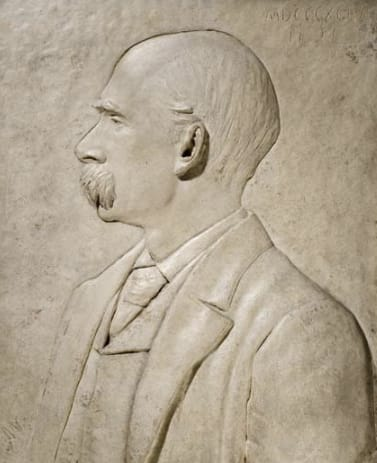
George Herbert Palmer
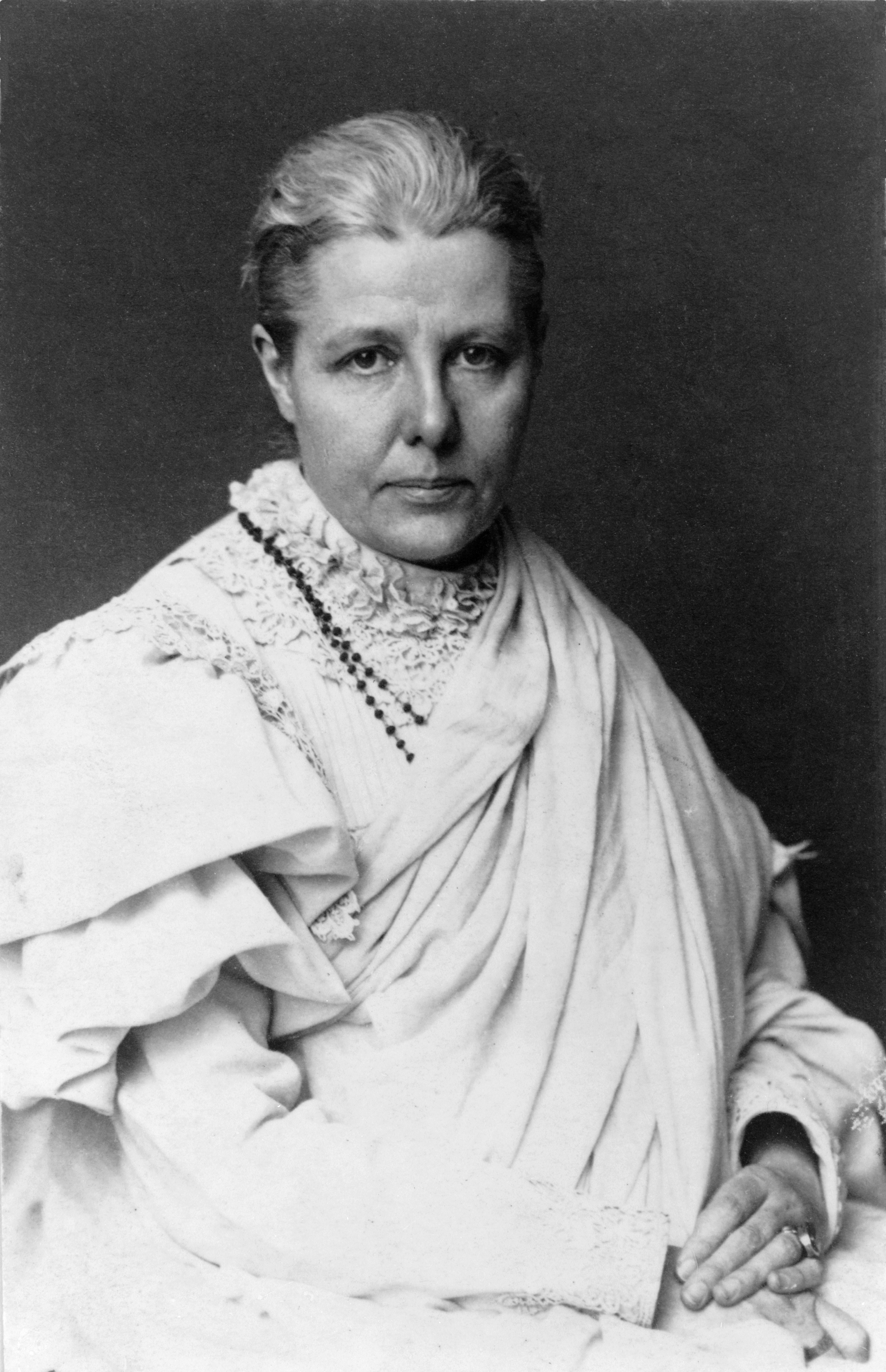
George Herbert Palmer was an influential American scholar and author, best known for his contributions to education and ethics. A graduate of Harvard University, he later became a professor there, where he shaped the minds of many students. His academic pursuits extended beyond the classroom, as he engaged in translating classical texts, most notably his 1884 translation of Homer's 'The Odyssey,' which helped make this seminal work accessible to a broader audience. Palmer's writings often explored the intersection of education and moral philosophy, with significant works such as 'The New Education' (1887) and 'The Glory of the Imperfect' (1898) reflecting his belief in the importance of character development in education. Palmer's legacy lies in his commitment to fostering a holistic approach to education, emphasizing the cultivation of ethical values alongside intellectual growth. His work has had a lasting impact on educational theory, advocating for a system that nurtures both the mind and the spirit. Through his translations and philosophical writings, Palmer contributed to the broader discourse on the role of education in society, making him a notable figure in American intellectual history.
Famous Quotes
View all 3 quotes“One good mother is worth a hundred schoolmasters.”
“Would you reach the infinite? Then enter into finite things, working out all that they contain.”
“a loss unconsidered at the time. But to decide for anything is to decide against a multitude of other things. Taking is still more largely leaving. The full extent of this negative decision often escapes our notice, and through the very fact of choosing a good we blindly neglect a best.”
Books from the author


Link to this page
Add a free, dofollow link to Lex on your blog, forum, syllabus, or reading list.

<a href="https://lex-books.com/author/george-herbert-palmer"><img src="https://lex-books.com/badges/read-on-lex.svg" alt="George Herbert Palmer on Lex" width="160" height="40"></a>[](https://lex-books.com/author/george-herbert-palmer)[url=https://lex-books.com/author/george-herbert-palmer][img]https://lex-books.com/badges/read-on-lex.svg[/img][/url]George Herbert Palmer on Lex: https://lex-books.com/author/george-herbert-palmer