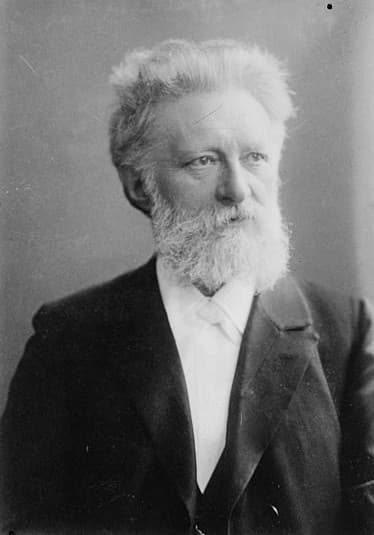
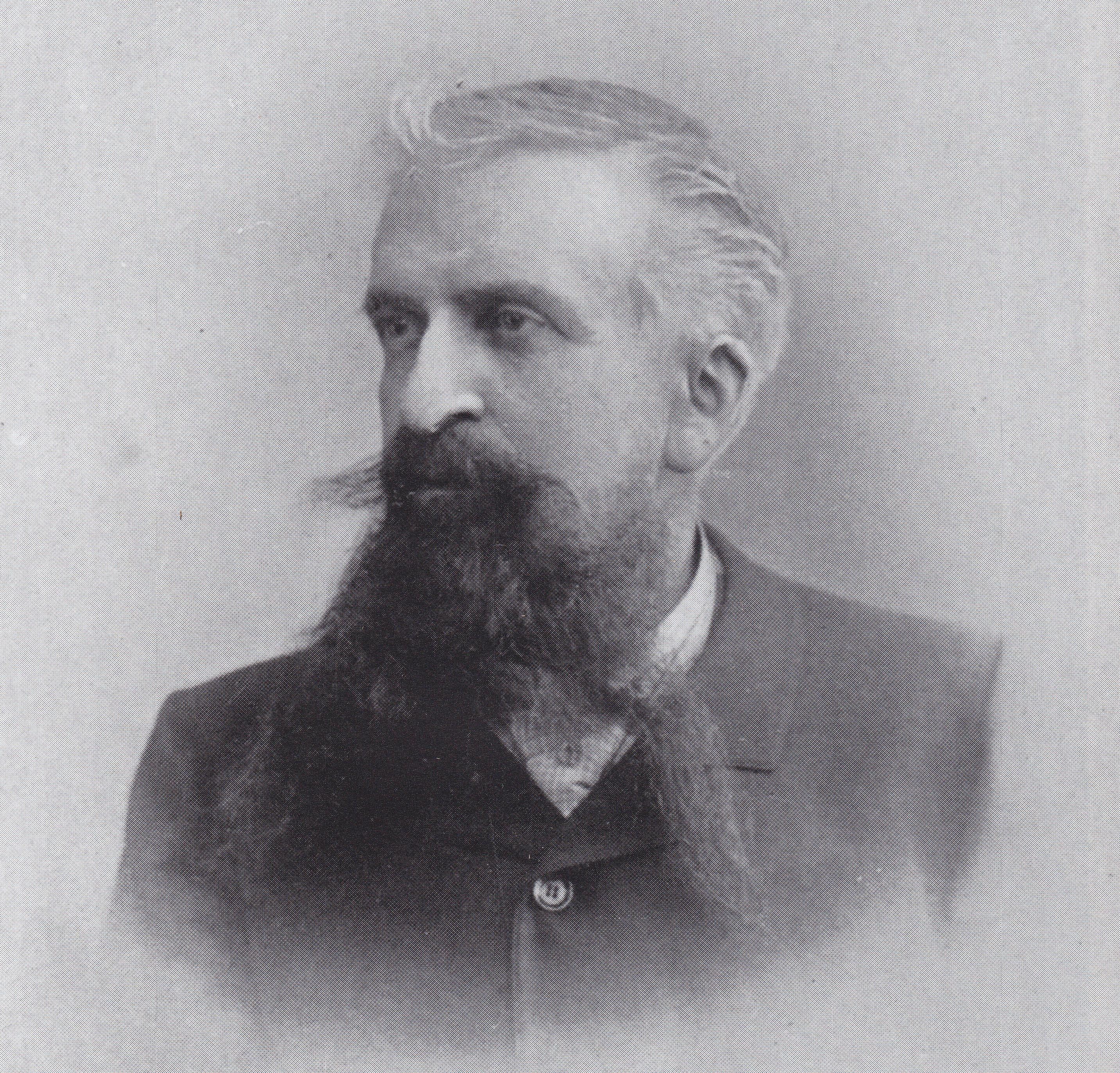
Rudolf Eucken
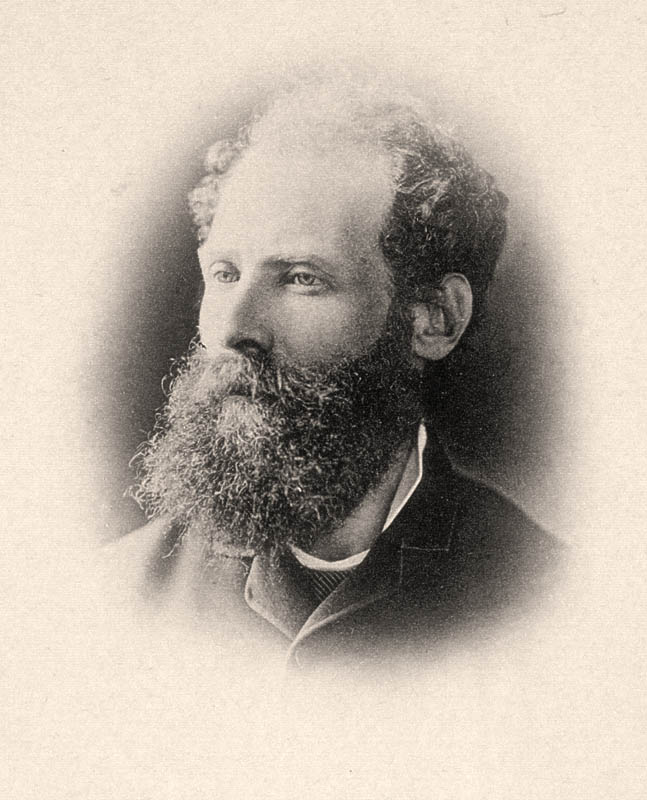
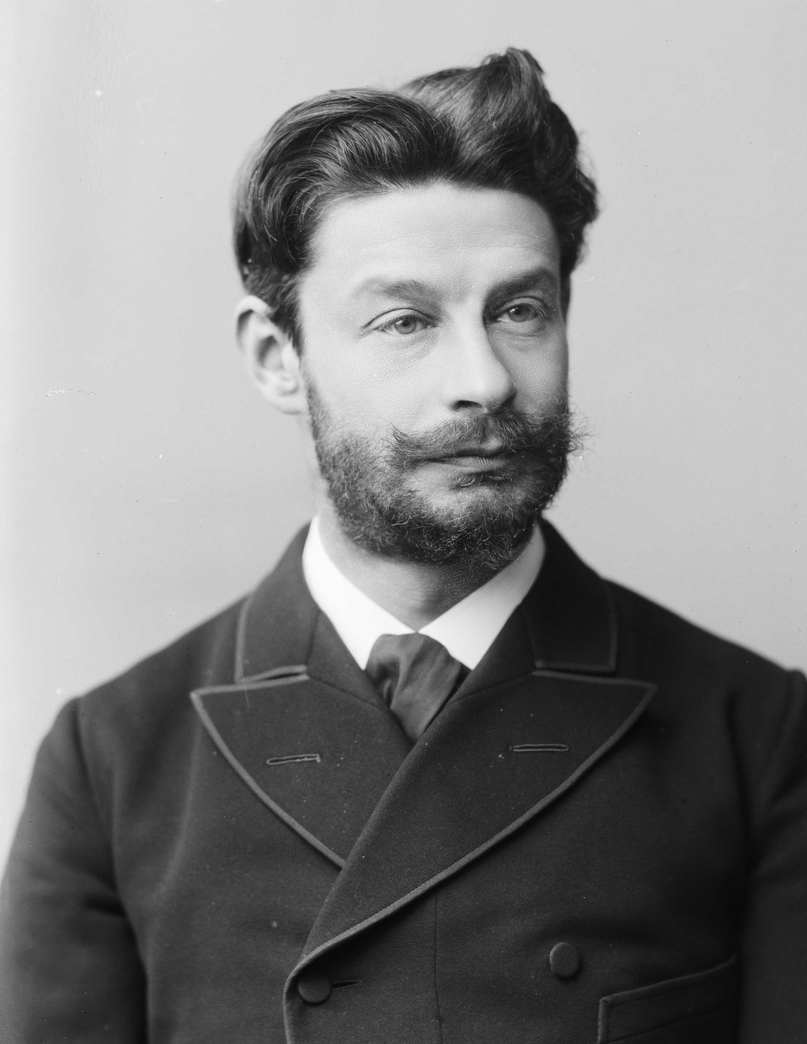
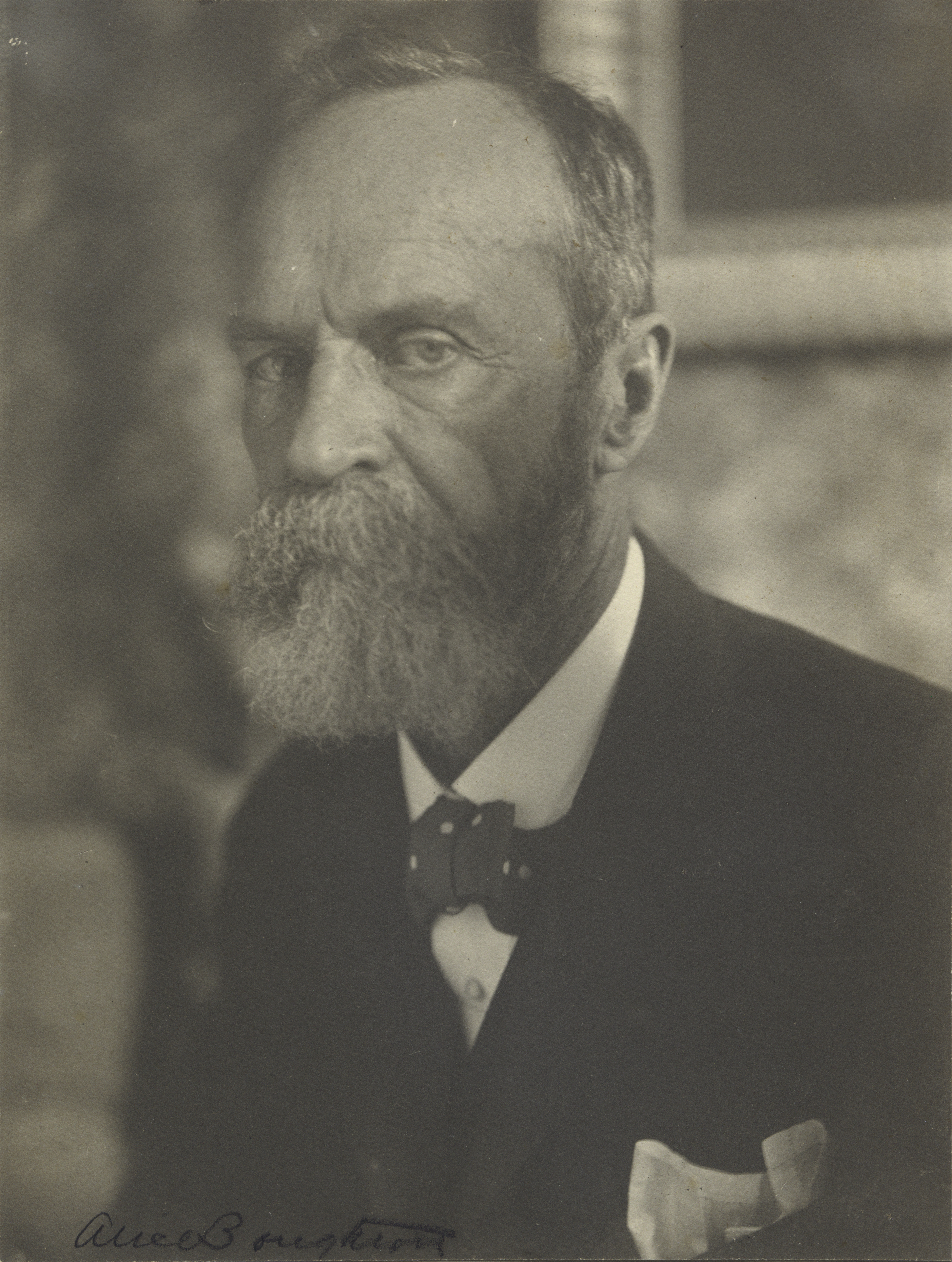
Rudolf Eucken was a prominent German philosopher known for his contributions to idealistic philosophy and his exploration of the meaning of life. Born in 1846, he dedicated his intellectual pursuits to understanding the complexities of human existence and the nature of reality. Eucken's philosophical work emphasized the importance of individual experience and the spiritual dimensions of life, which he articulated through a range of writings that sought to bridge the gap between philosophy and practical living. His notable works include 'The Life of the Spirit' and 'The Truth of Religion', where he examined the interplay between faith, reason, and the human condition. Eucken's influence extended beyond academia, as he was awarded the Nobel Prize in Literature in 1908 for his earnest search for truth and his ability to present complex ideas with warmth and clarity. His idealistic philosophy resonated with many during a time of great social and political upheaval, and he became a significant figure in the intellectual landscape of his era. Eucken's legacy endures in the fields of philosophy and literature, where his thoughts on spirituality and the human experience continue to inspire and provoke reflection on the nature of existence.
Famous Quotes
View all 2 quotes“It's not the age that makes the man but the man the age.””
“For the past, rightly understood, is no mere past””
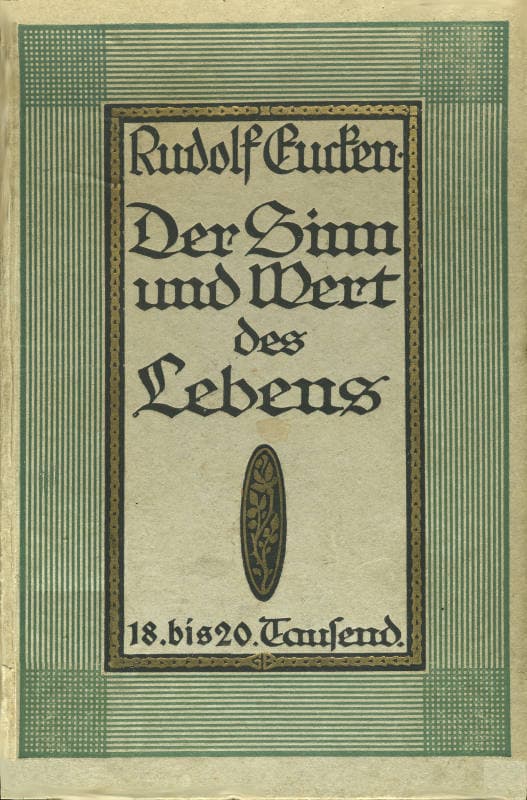
Books from the author
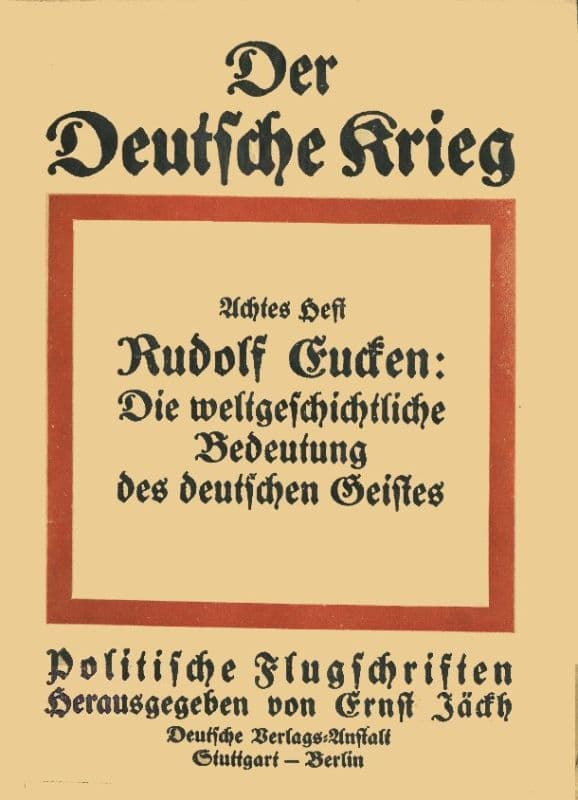

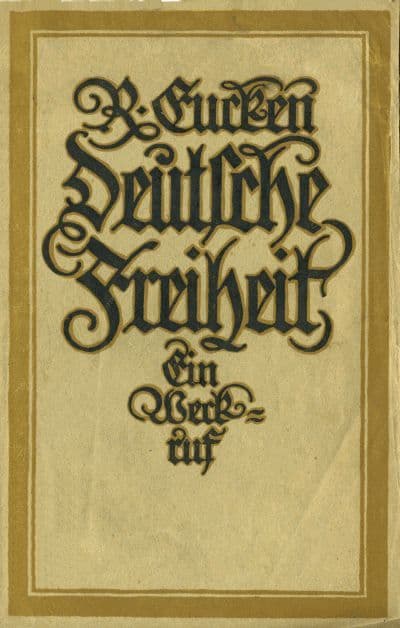
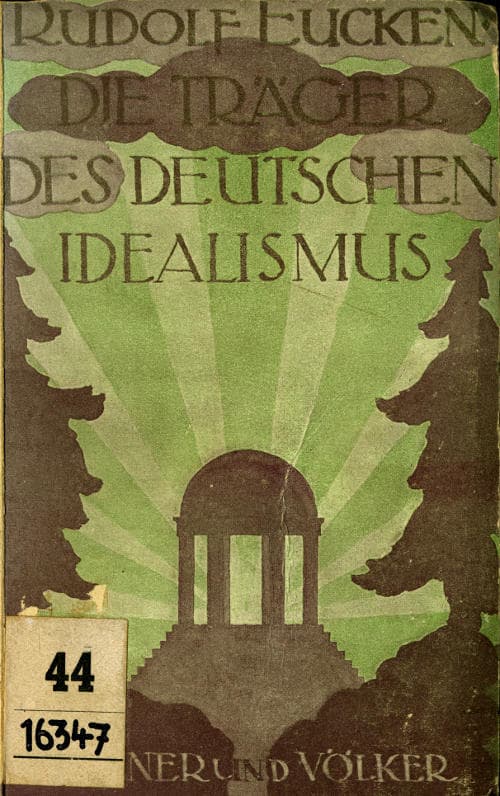



Link to this page
Add a free, dofollow link to Lex on your blog, forum, syllabus, or reading list.

<a href="https://lex-books.com/author/rudolf-eucken"><img src="https://lex-books.com/badges/read-on-lex.svg" alt="Rudolf Eucken on Lex" width="160" height="40"></a>[](https://lex-books.com/author/rudolf-eucken)[url=https://lex-books.com/author/rudolf-eucken][img]https://lex-books.com/badges/read-on-lex.svg[/img][/url]Rudolf Eucken on Lex: https://lex-books.com/author/rudolf-eucken