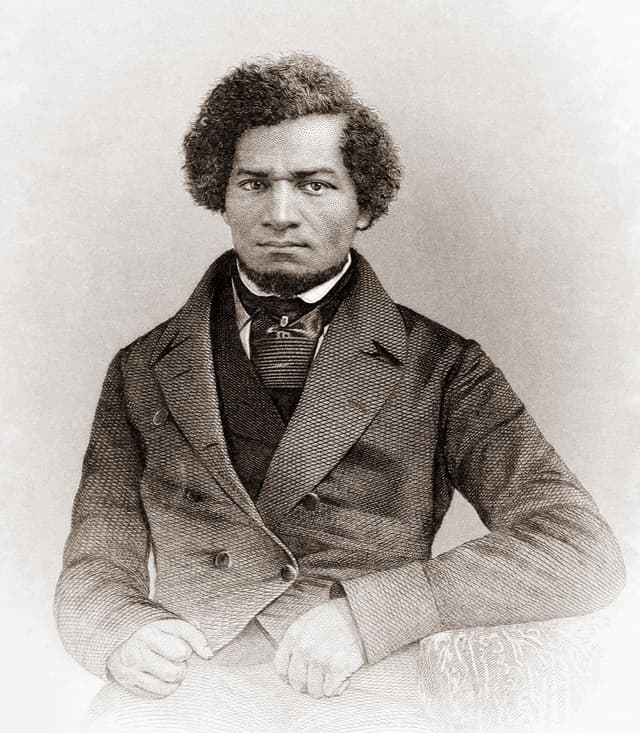
Frederick Douglass
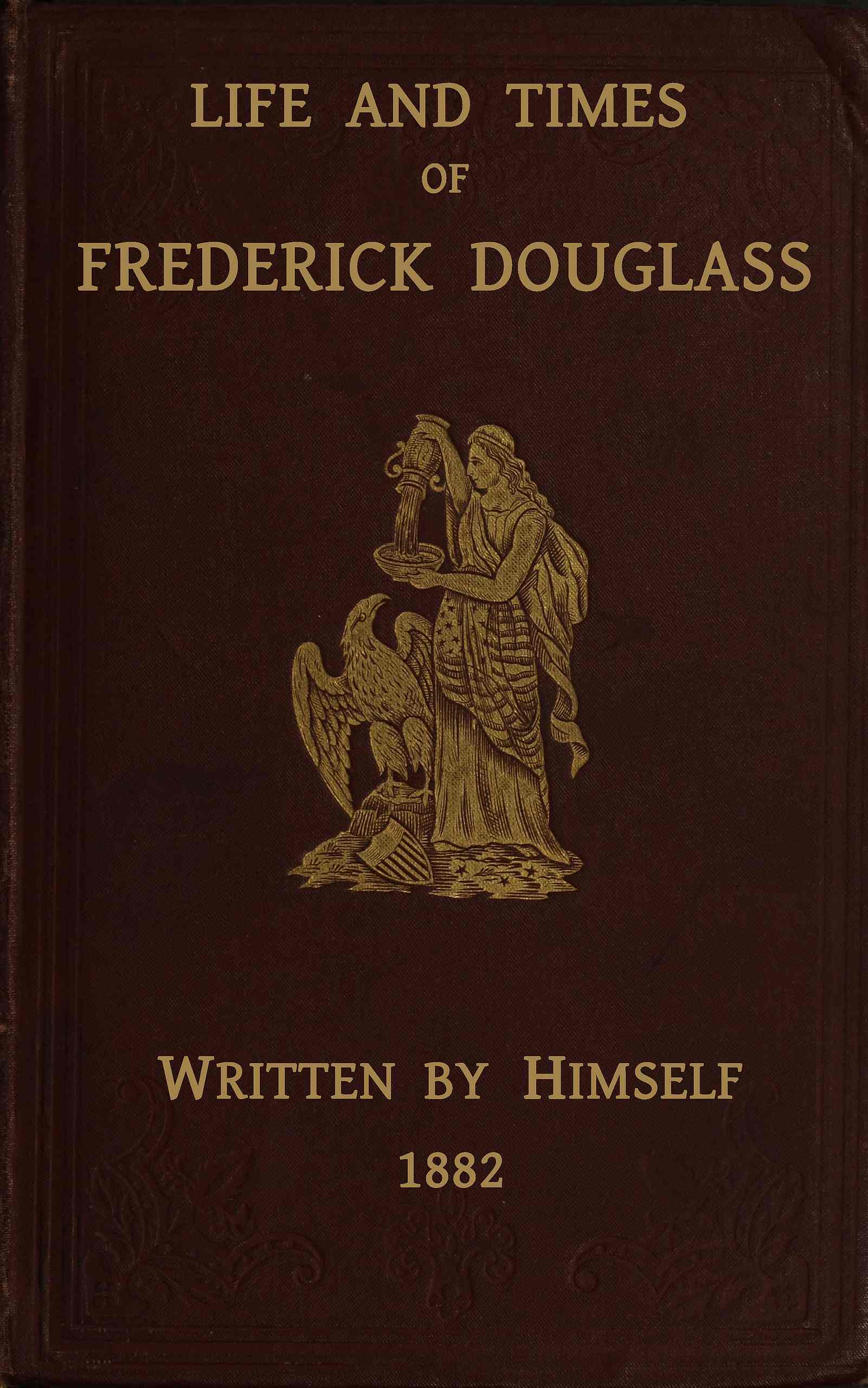
Frederick Douglass, originally named Frederick Augustus Washington Bailey, emerged as a pivotal figure in the 19th-century struggle for African-American civil rights. Born into slavery in Maryland, he escaped in 1838 and quickly became a prominent leader in the abolitionist movement, captivating audiences with his powerful oratory and incisive writings. Douglass's firsthand accounts of his experiences as an enslaved person challenged the prevailing narratives that questioned the intellectual capabilities of African Americans. His first autobiography, 'Narrative of the Life of Frederick Douglass, an American Slave' (1845), became a bestseller and played a crucial role in galvanizing support for the abolitionist cause. He followed this with 'My Bondage and My Freedom' (1855), further detailing his journey from slavery to freedom. After the Civil War, Douglass continued to advocate for the rights of freed slaves and was a staunch supporter of women's suffrage. His final autobiography, 'Life and Times of Frederick Douglass' (1881, revised 1892), encapsulated his life's work and experiences. Douglass's legacy extends beyond his literary contributions; he was also the first African American nominated for vice president, albeit without his consent, on the Equal Rights Party ticket alongside Victoria Woodhull. His life and work not only advanced the cause of abolition but also laid the groundwork for future civil rights movements, making him a foundational figure in American history.
Famous Quotes
View all 19 quotes“Once you learn to read, you will be forever free.””
“It is easier to build strong children than to repair broken men.””
“I prefer to be true to myself, even at the hazard of incurring the ridicule of others, rather than to be false, and to incur my own abhorrence.””
Books from the author



Link to this page
Add a free, dofollow link to Lex on your blog, forum, syllabus, or reading list.

<a href="https://lex-books.com/author/frederick-douglass"><img src="https://lex-books.com/badges/read-on-lex.svg" alt="Frederick Douglass on Lex" width="160" height="40"></a>[](https://lex-books.com/author/frederick-douglass)[url=https://lex-books.com/author/frederick-douglass][img]https://lex-books.com/badges/read-on-lex.svg[/img][/url]Frederick Douglass on Lex: https://lex-books.com/author/frederick-douglass