Life and Times of Frederick Douglass: His Early Life as a Slave, His Escape from Bondage, and His Complete History
1881
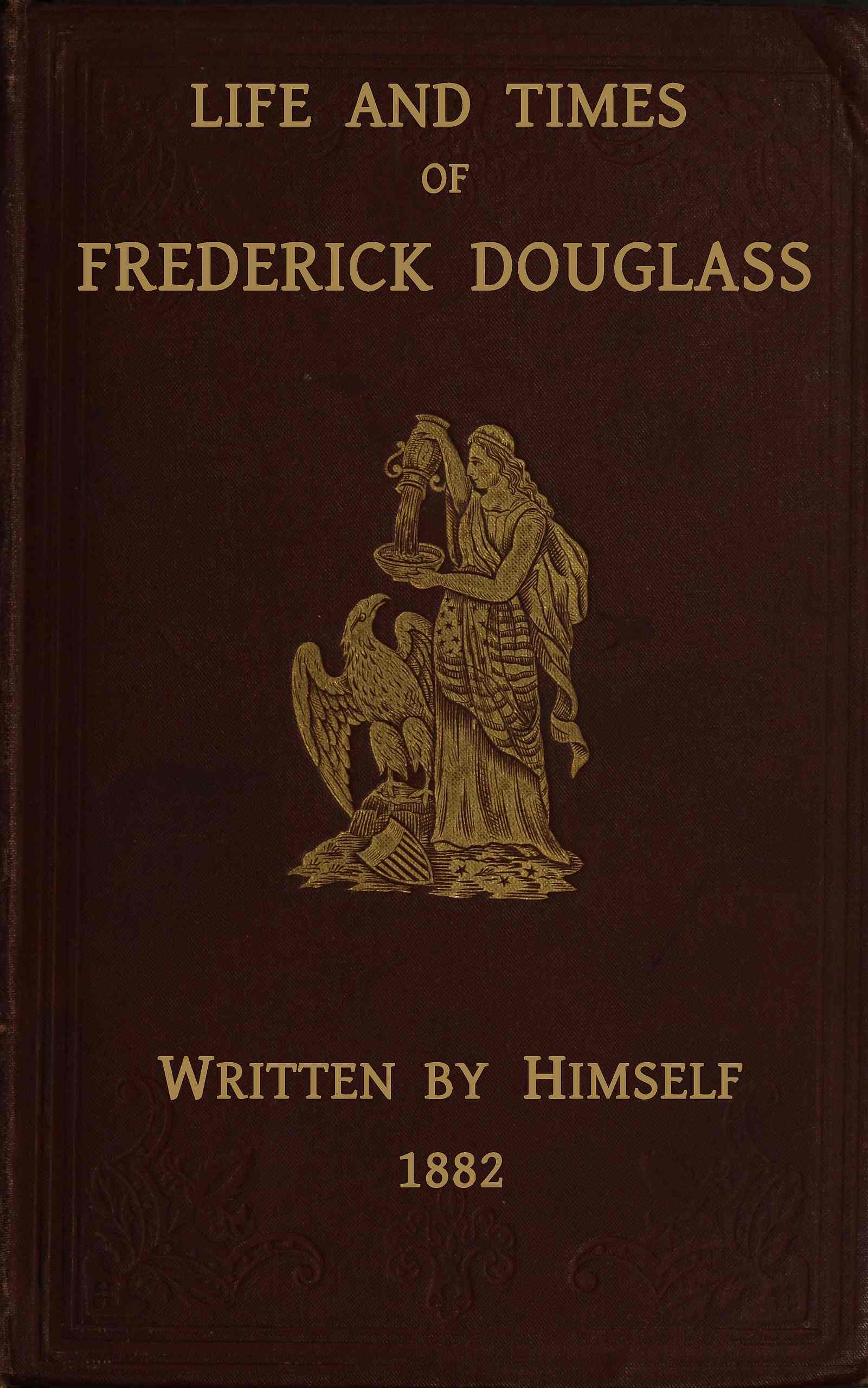
Life and Times of Frederick Douglass: His Early Life as a Slave, His Escape from Bondage, and His Complete History
1881
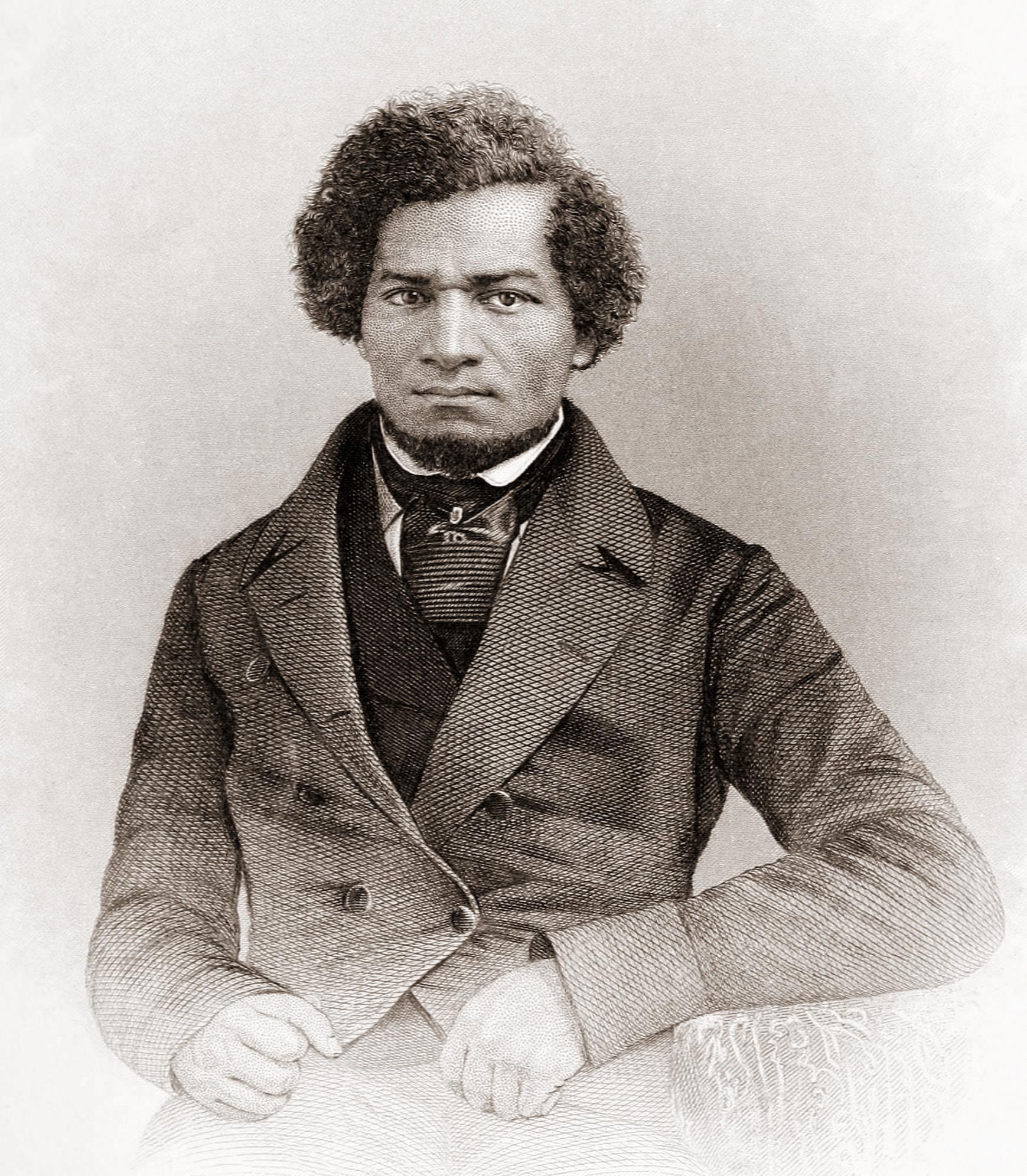
Frederick Douglass's 1881 autobiography is not merely a record of one man's suffering, it is a deliberate act of resistance, written by a former slave who taught himself to read and subsequently dedicated his life to dismantling the institution that dehumanized him. Born into bondage on a Maryland plantation, Douglass recounts the brutal logic of slavery: the systematic destruction of family bonds, the enforced ignorance designed to keep enslaved people powerless, and the small rebellions, a stolen book, a forbidden lesson, that planted the seeds of his liberation. His escape to freedom was only the beginning. What follows is the transformation of a fugitive into the era's most electrifying orator, a voice so threatening to the South that pro-slavery forces attempted to disprove his authorship, claiming no former slave could write with such power. This is abolitionist literature at its most urgent: a document that refuses to let America look away from what it built, and why it must be undone. It endures because Douglass doesn't just describe slavery, he anatomizes it, rendering its cruelty legible to those who wished to remain blind.
Editions

X-Ray
“none to molest them or make them afraid.””
— Frederick Douglass
“[T]o guard, protect, and maintain his liberty, the freedman should have the ballot; that the liberties of the American people were dependent upon the Ballot-box, the Jury-box, and the Cartridge-box...””
— Frederick Douglass
“stars shall fall from heaven,””
— Frederick Douglass
“A man’s troubles are always half disposed of when he finds endurance the only alternative.””
— Frederick Douglass
“How do you feel," said a friend to me, "when you are hooted and jeered on the street on account of your color?" "I feel as if an ass had kicked, but had hit nobody," was my answer.””
— Frederick Douglass
“Men who live by robbing their fellow men of their labor and liberty have forfeited their right to know anything of the thoughts, feelings, or purposes of those whom they rob and plunder. They have by the single act of slaveholding voluntarily placed themselves beyond the laws of justice and honor, and have become only fitted for companionship with thieves and pirates - the common enemies of God and of all mankind.””
— Frederick Douglass
“A man’s rights rest in three boxes. The ballot-box, the jury-box, and the cartridge-box.””
— Frederick Douglass
“He was whipped oftener who was whipped easiest.””
— Frederick Douglass
“For no man who lives at all lives unto himself. He either helps or hinders all who are in anywise connected to him.””
— Frederick Douglass
Link to this book
Add a free, dofollow link to Lex on your blog, forum, syllabus, or reading list.

<a href="https://lex-books.com/book/life-and-times-of-frederick-douglass-his-early-life-as-a-slave-his-escape-from-b-079ed012-a9e5-4f6d-a91f-bcd77f92fd51"><img src="https://lex-books.com/badges/read-on-lex.svg" alt="Read Life and Times of Frederick Douglass: His Early Life as a Slave, His Escape from Bondage, and His Complete History by Frederick Douglass free on Lex" width="160" height="40"></a>[](https://lex-books.com/book/life-and-times-of-frederick-douglass-his-early-life-as-a-slave-his-escape-from-b-079ed012-a9e5-4f6d-a91f-bcd77f92fd51)[url=https://lex-books.com/book/life-and-times-of-frederick-douglass-his-early-life-as-a-slave-his-escape-from-b-079ed012-a9e5-4f6d-a91f-bcd77f92fd51][img]https://lex-books.com/badges/read-on-lex.svg[/img][/url]Read Life and Times of Frederick Douglass: His Early Life as a Slave, His Escape from Bondage, and His Complete History by Frederick Douglass free on Lex: https://lex-books.com/book/life-and-times-of-frederick-douglass-his-early-life-as-a-slave-his-escape-from-b-079ed012-a9e5-4f6d-a91f-bcd77f92fd51Cite this book
Reading this edition for a paper or guide? Copy a citation.
Douglass, Frederick. Life and Times of Frederick Douglass: His Early Life as a Slave, His Escape from Bondage, and His Complete History. Lex, lex-books.com/book/life-and-times-of-frederick-douglass-his-early-life-as-a-slave-his-escape-from-b-079ed012-a9e5-4f6d-a91f-bcd77f92fd51.Douglass, F. (1881). Life and Times of Frederick Douglass: His Early Life as a Slave, His Escape from Bondage, and His Complete History. Lex. https://lex-books.com/book/life-and-times-of-frederick-douglass-his-early-life-as-a-slave-his-escape-from-b-079ed012-a9e5-4f6d-a91f-bcd77f92fd51Douglass, Frederick. Life and Times of Frederick Douglass: His Early Life as a Slave, His Escape from Bondage, and His Complete History. Lex. https://lex-books.com/book/life-and-times-of-frederick-douglass-his-early-life-as-a-slave-his-escape-from-b-079ed012-a9e5-4f6d-a91f-bcd77f92fd51.