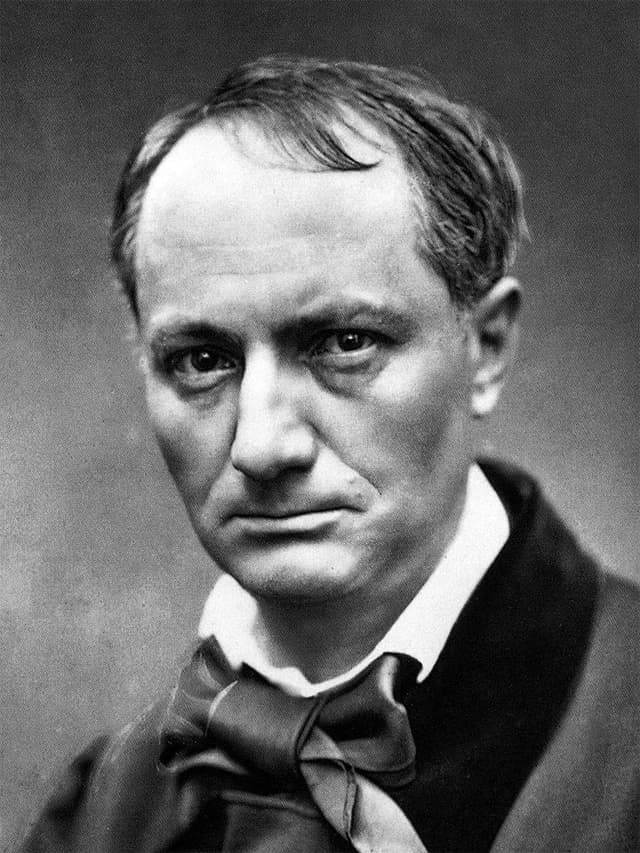
Charles Baudelaire
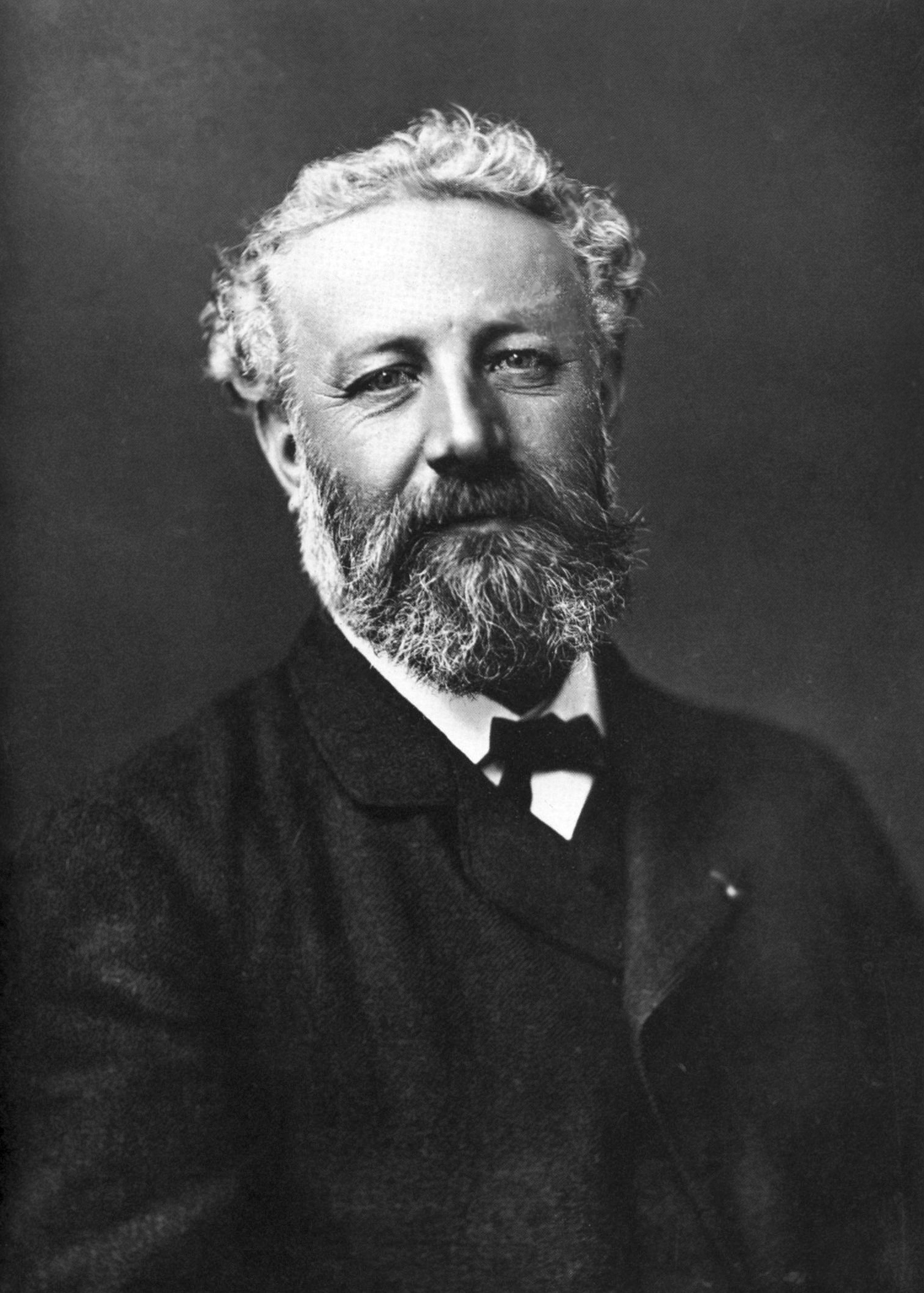
Charles Baudelaire was a pivotal French poet, essayist, translator, and art critic whose works profoundly influenced modern literature. His most renowned collection, 'Les Fleurs du mal' (The Flowers of Evil), showcases his mastery of rhythm and rhyme, blending observations of urban life with a Romantic exoticism. This collection not only reflects the aesthetic shifts of mid-19th century Paris, particularly in light of Haussmann's urban renovations, but also explores themes of beauty, decadence, and the complexities of modern existence. Baudelaire's innovative use of prose-poetry set a precedent that inspired a generation of poets, including Paul Verlaine, Arthur Rimbaud, and Stéphane Mallarmé. Baudelaire is credited with coining the term modernity (modernité), encapsulating the transient experiences of life in bustling urban environments and emphasizing the artist's duty to capture these fleeting moments. His work laid the groundwork for the Modernist movement, marking him as a significant figure in the evolution of literary expression. Despite his struggles with personal and financial difficulties during his lifetime, Baudelaire's legacy endures, establishing him as a foundational voice in the realm of modern poetry and art criticism.
Famous Quotes
View all 20 quotes“Always be a poet, even in prose.””
“One should always be drunk. That's all that matters...But with what? With wine, with poetry, or with virtue, as you chose. But get drunk.””
“Genius is nothing more nor less than childhood recaptured at will.””
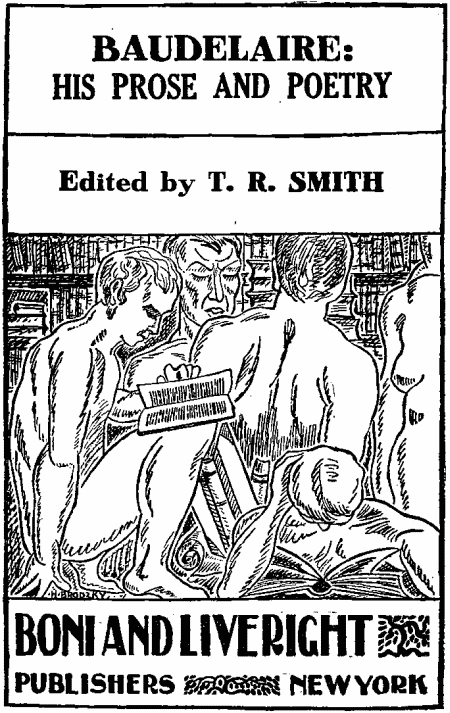
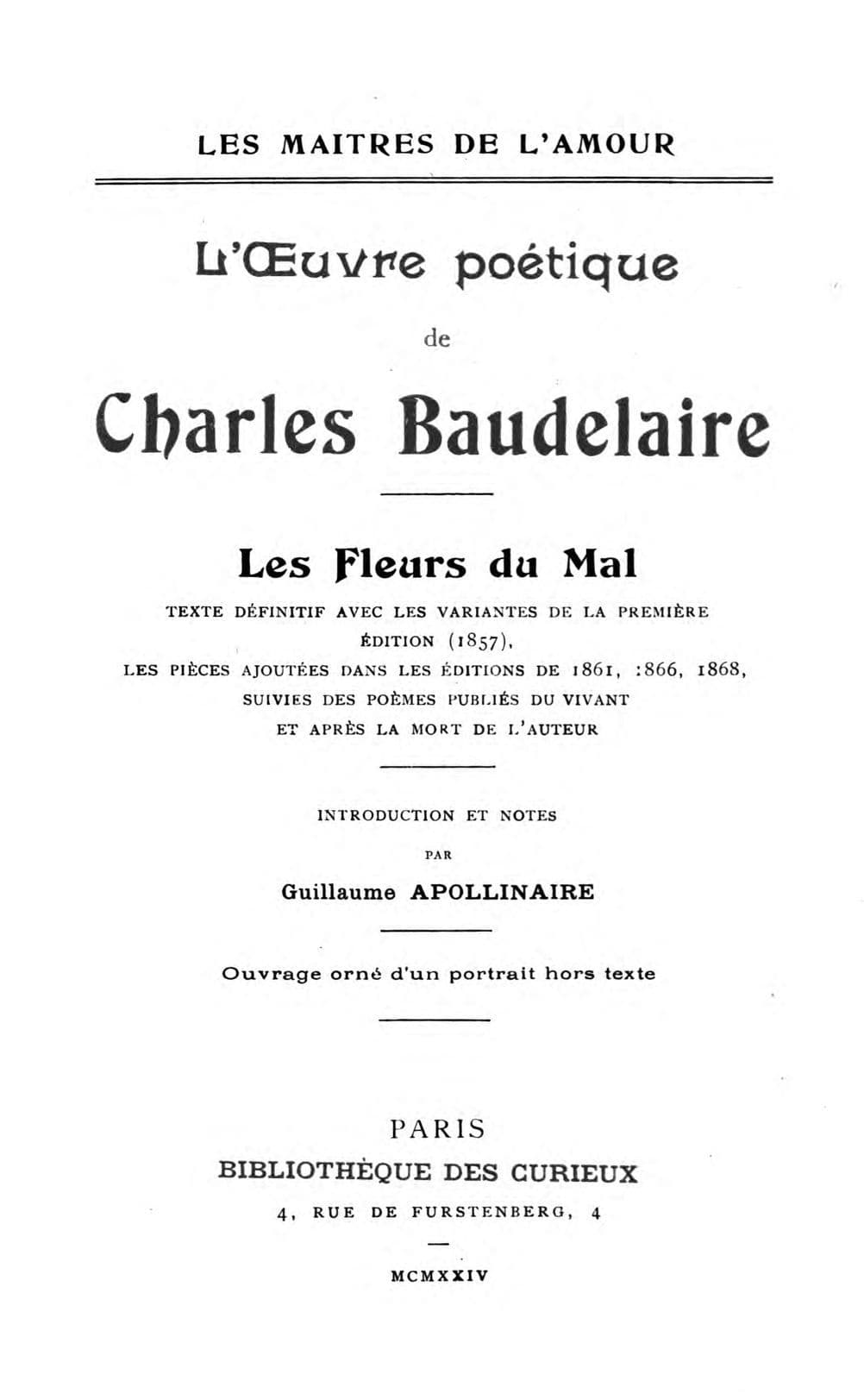
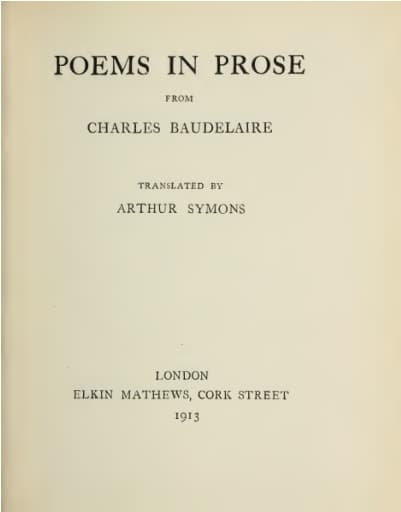
Books from the author






Link to this page
Add a free, dofollow link to Lex on your blog, forum, syllabus, or reading list.

<a href="https://lex-books.com/author/charles-baudelaire"><img src="https://lex-books.com/badges/read-on-lex.svg" alt="Charles Baudelaire on Lex" width="160" height="40"></a>[](https://lex-books.com/author/charles-baudelaire)[url=https://lex-books.com/author/charles-baudelaire][img]https://lex-books.com/badges/read-on-lex.svg[/img][/url]Charles Baudelaire on Lex: https://lex-books.com/author/charles-baudelaire