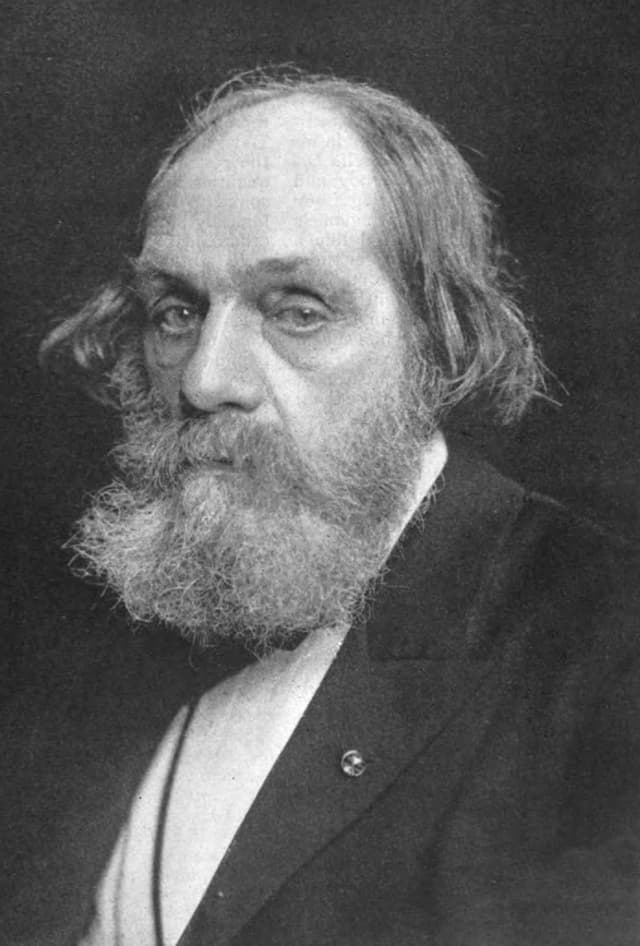
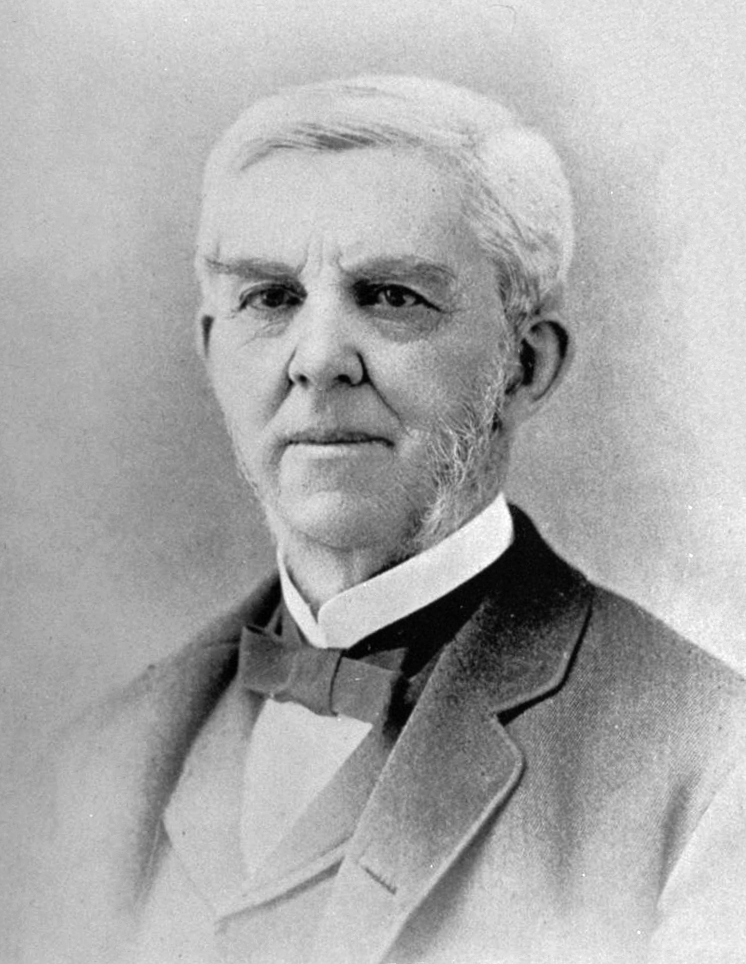
Edward Everett Hale
Edward Everett Hale was an influential American author, historian, and Unitarian minister, recognized for his compelling narratives that often reflected his deep commitment to social justice and civic duty. He gained prominence with his short story "The Man Without a Country," published in the Atlantic Monthly in 1863, which served as a poignant critique of disloyalty during the Civil War and became a powerful symbol of patriotism. This work not only showcased Hale's literary talent but also resonated with the national sentiment of the time, emphasizing the importance of loyalty to one's country. Throughout his career, Hale wrote extensively, contributing to both fiction and non-fiction, and his works often addressed themes of morality, democracy, and the human condition. His writings were characterized by a blend of idealism and realism, making them accessible and thought-provoking. Hale's legacy extends beyond his literary contributions; he was also a prominent advocate for various social causes, including education and civil rights, and his efforts in these areas reflected his belief in the potential for individual and societal improvement. His influence on American literature and thought remains significant, as he inspired future generations of writers and activists alike.
Famous Quotes
View all 3 quotes“I am only one, but I am one. I cannot do everything, but I can do something. And because I cannot do everything, I will not refuse to do the something that I can do.”
“I am only one, but still I am one. I cannot do everything, but still I can do something; and because I cannot do everything, I will not refuse to do something that I can do.”
“I am only one, but I am one. I cannot do everything, but I can do something. And I will not let what I cannot do interfere with what I can do.”
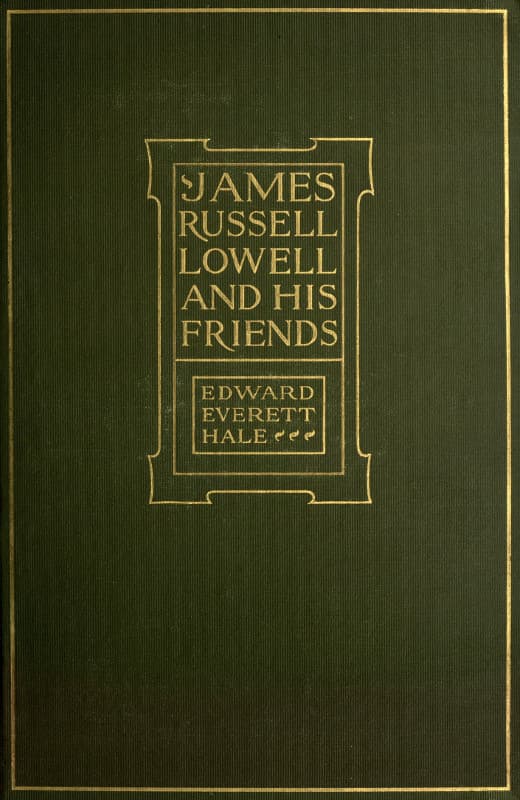
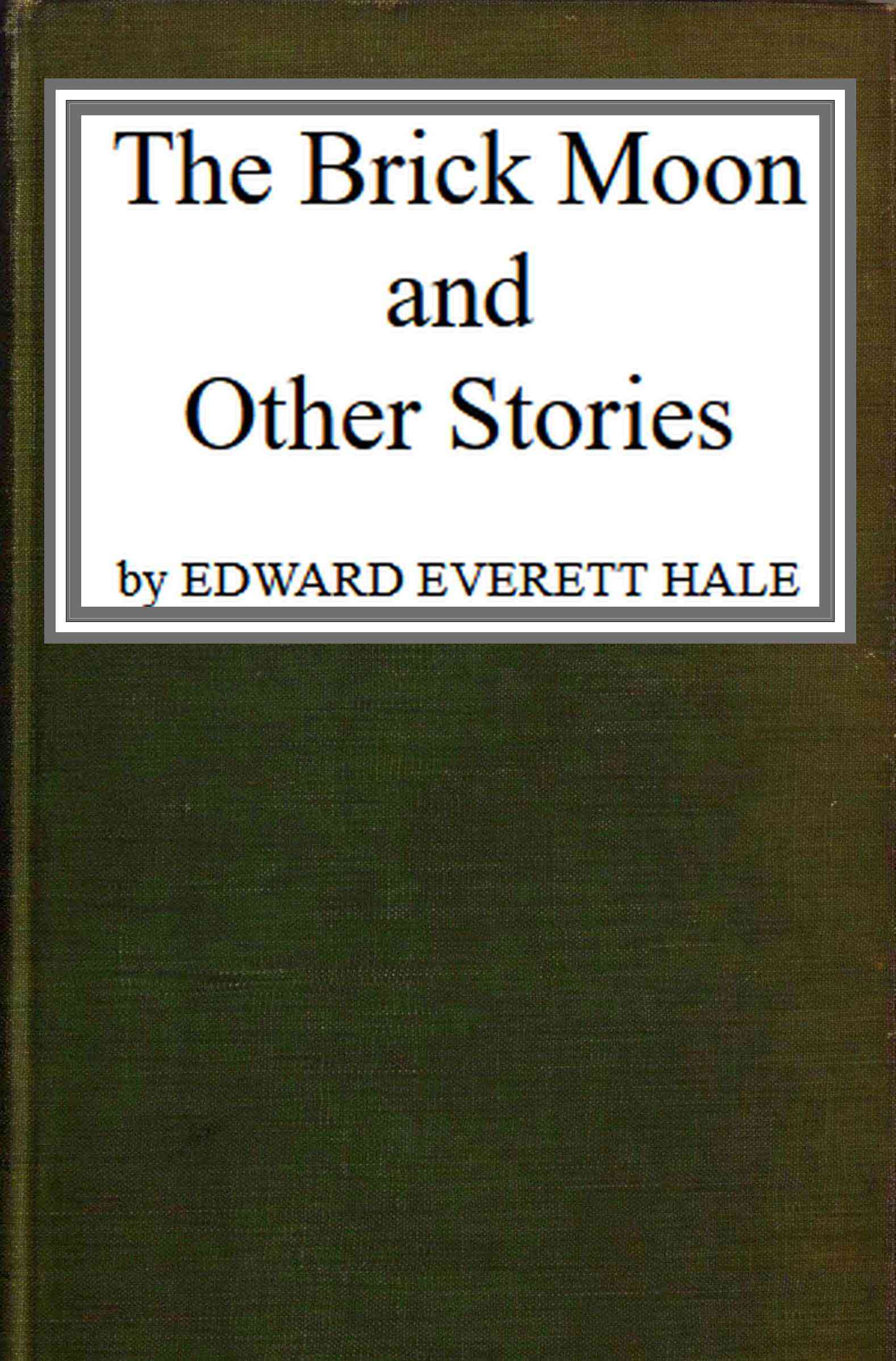
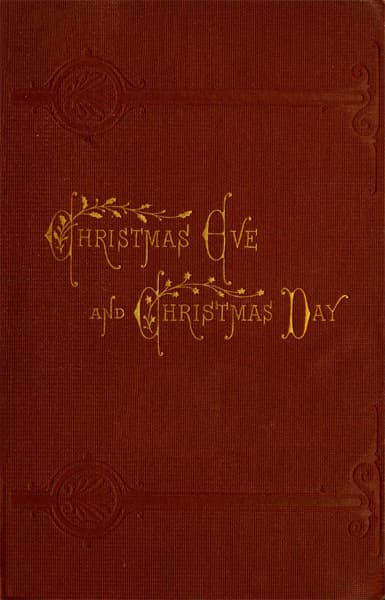
Books from the author



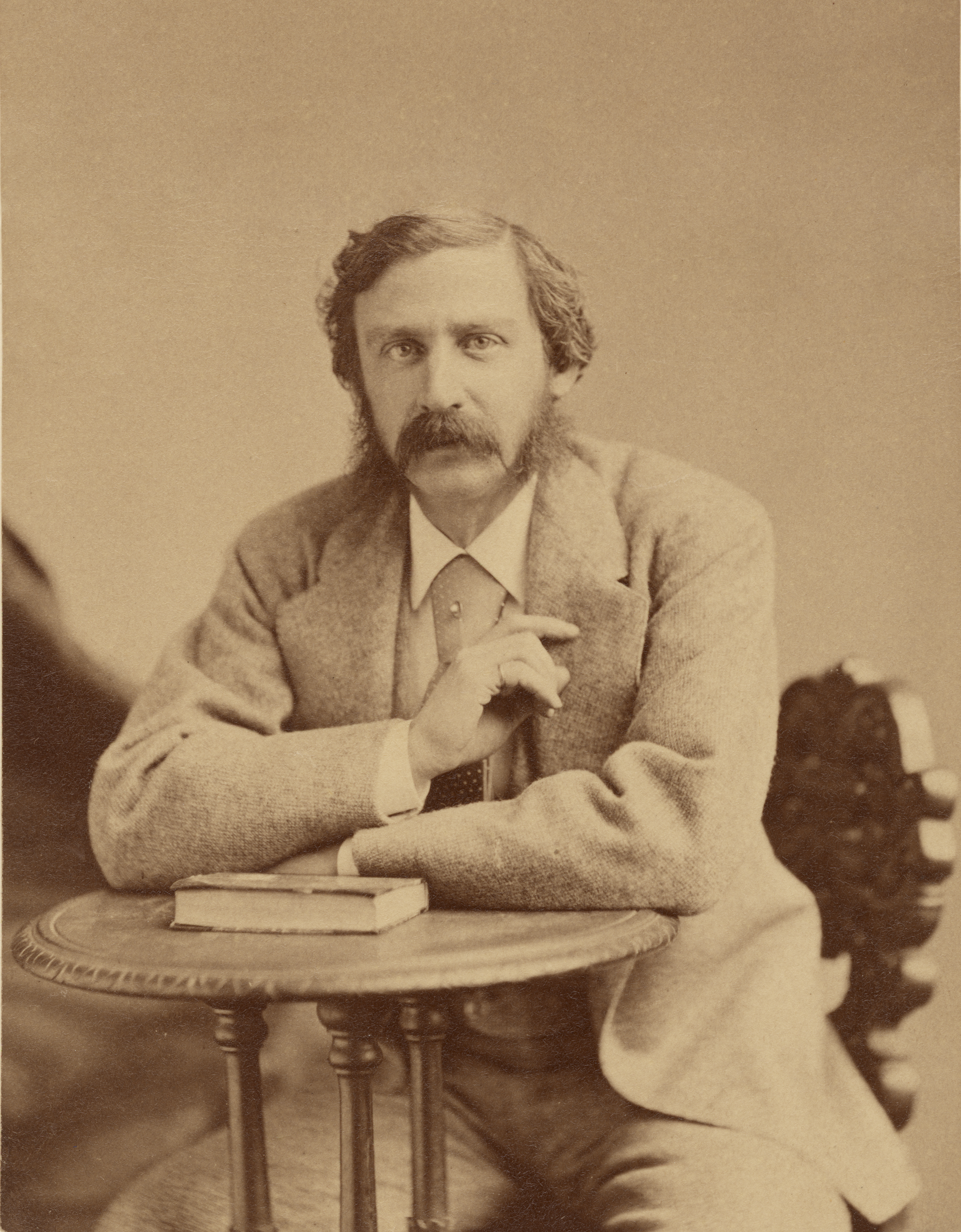
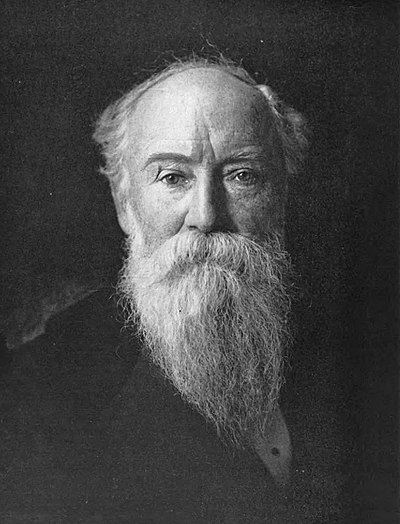
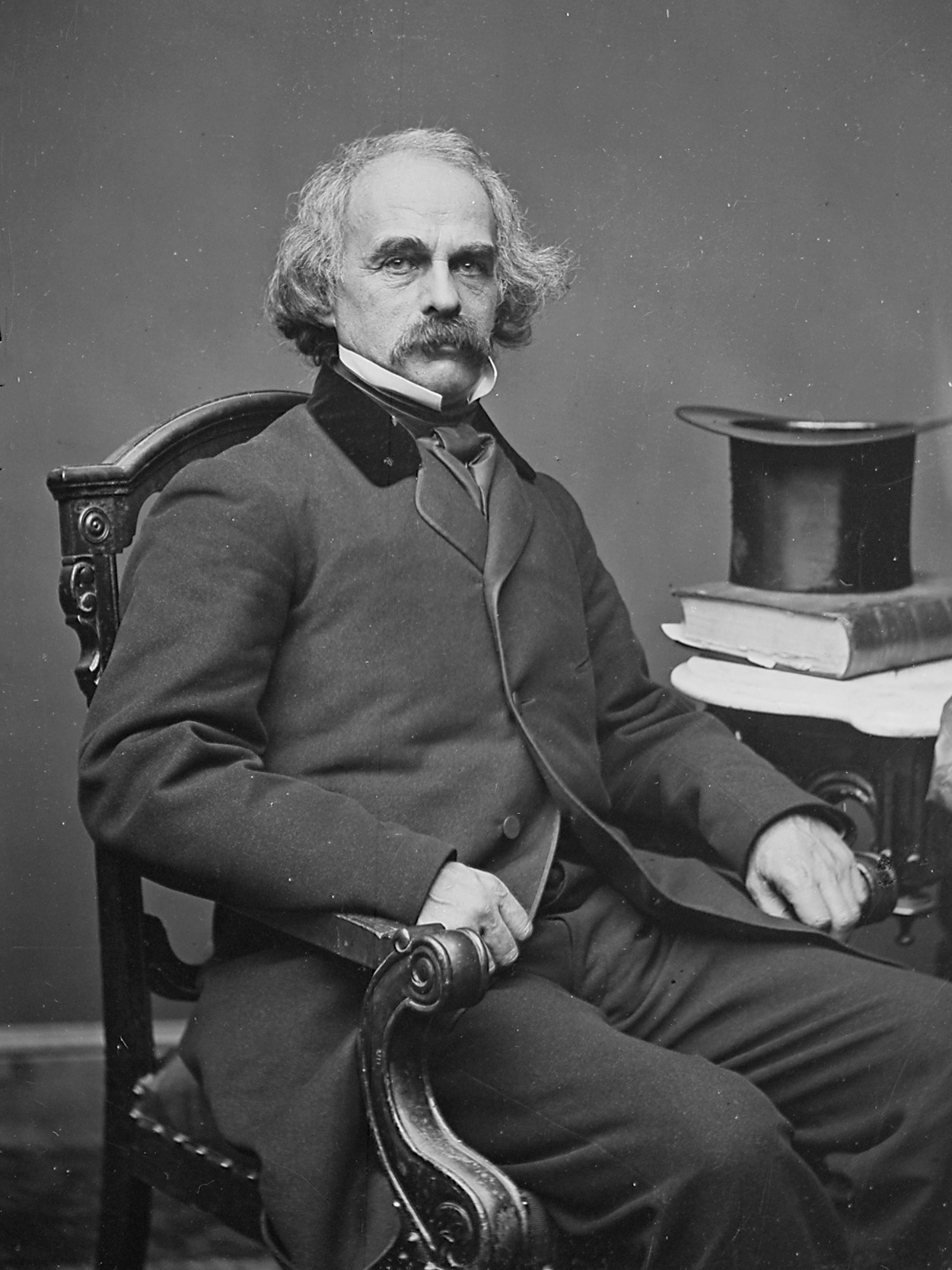

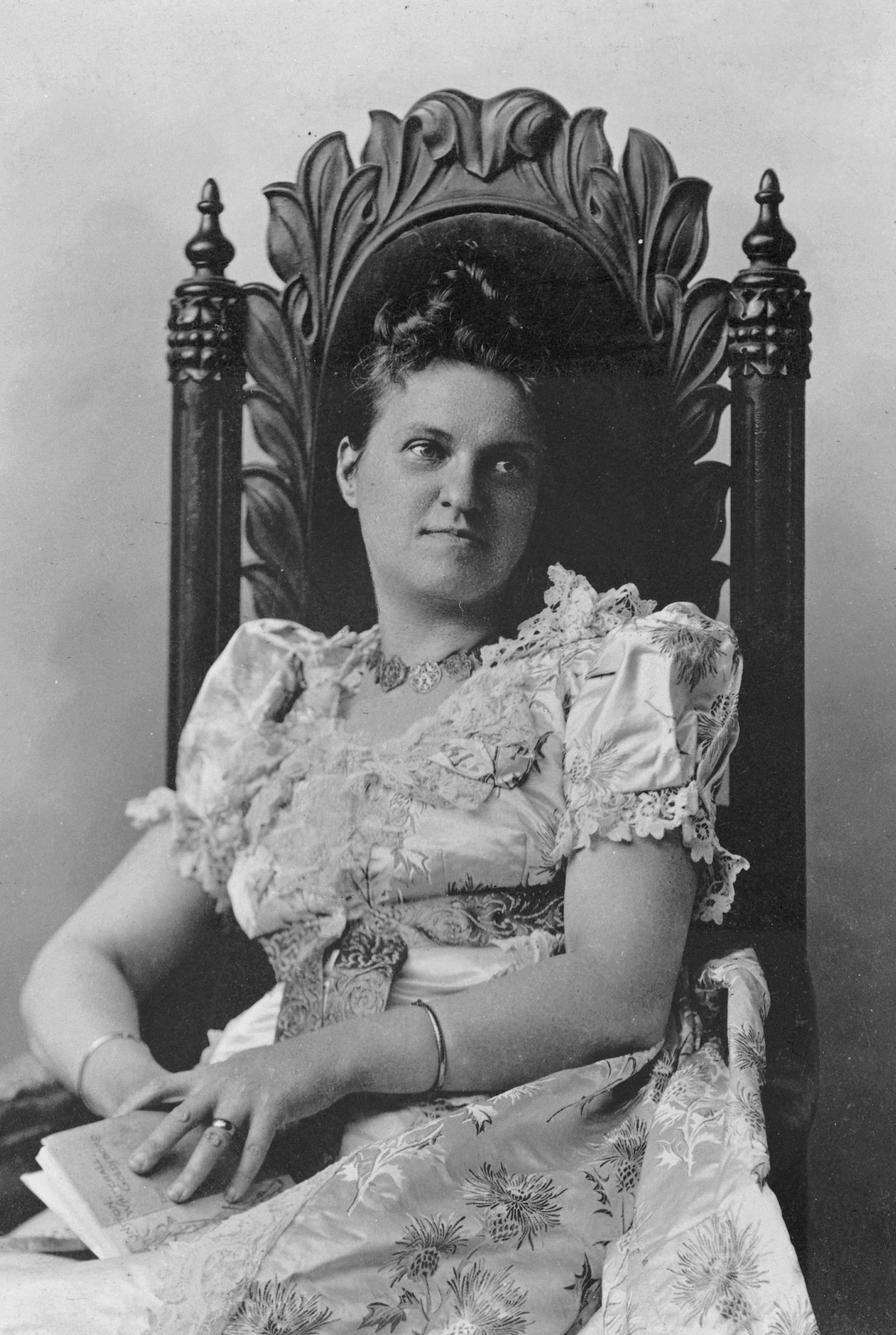

Link to this page
Add a free, dofollow link to Lex on your blog, forum, syllabus, or reading list.

<a href="https://lex-books.com/author/edward-everett-hale"><img src="https://lex-books.com/badges/read-on-lex.svg" alt="Edward Everett Hale on Lex" width="160" height="40"></a>[](https://lex-books.com/author/edward-everett-hale)[url=https://lex-books.com/author/edward-everett-hale][img]https://lex-books.com/badges/read-on-lex.svg[/img][/url]Edward Everett Hale on Lex: https://lex-books.com/author/edward-everett-hale