
George Eliot
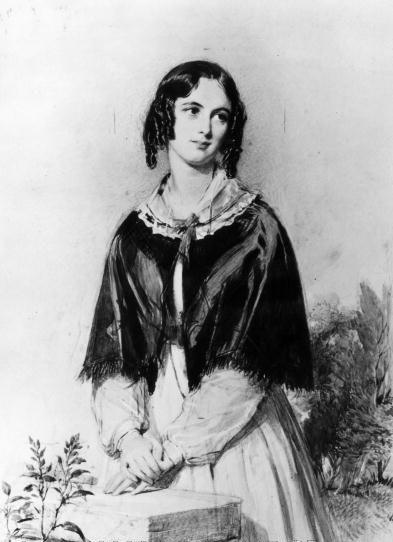
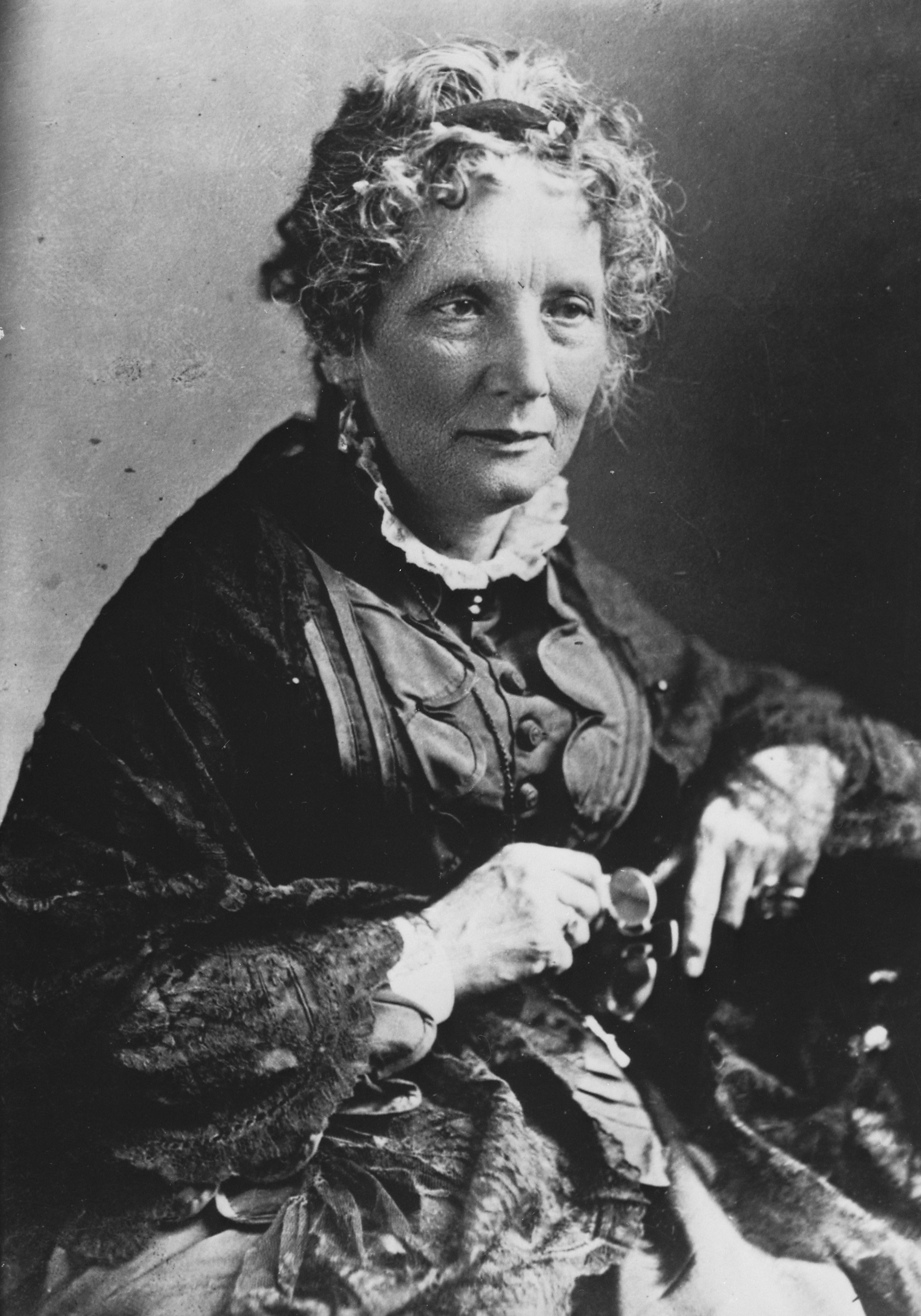
Mary Ann Evans, known by her pen name George Eliot, was a prominent English novelist and a key figure in the Victorian literary scene. Born in provincial England in 1819, she became renowned for her insightful explorations of human psychology and social issues. Eliot's notable works include 'Adam Bede,' 'The Mill on the Floss,' and 'Middlemarch,' the latter of which Virginia Woolf famously described as one of the few English novels written for grown-up people. Her novels are celebrated for their realism, intricate character development, and vivid depictions of rural life, establishing her as a master of narrative depth and moral complexity. Eliot's life was marked by unconventional choices, particularly her long-term partnership with the married George Henry Lewes, which defied the norms of her time. This relationship influenced her writing and personal philosophy, allowing her to explore themes of love, fidelity, and societal constraints. After Lewes's death, she married John Cross, a younger man, further challenging societal expectations. Through her literary contributions and personal life, George Eliot left an indelible mark on literature, paving the way for future generations of writers to tackle complex emotional and social landscapes.
Famous Quotes
View all 20 quotes“It is never too late to be what you might have been.””
“What do we live for, if it is not to make life less difficult for each other?””
“Blessed is the man who, having nothing to say, abstains from giving us wordy evidence of the fact.””
Books from the author

Link to this page
Add a free, dofollow link to Lex on your blog, forum, syllabus, or reading list.

<a href="https://lex-books.com/author/george-eliot"><img src="https://lex-books.com/badges/read-on-lex.svg" alt="George Eliot on Lex" width="160" height="40"></a>[](https://lex-books.com/author/george-eliot)[url=https://lex-books.com/author/george-eliot][img]https://lex-books.com/badges/read-on-lex.svg[/img][/url]George Eliot on Lex: https://lex-books.com/author/george-eliot