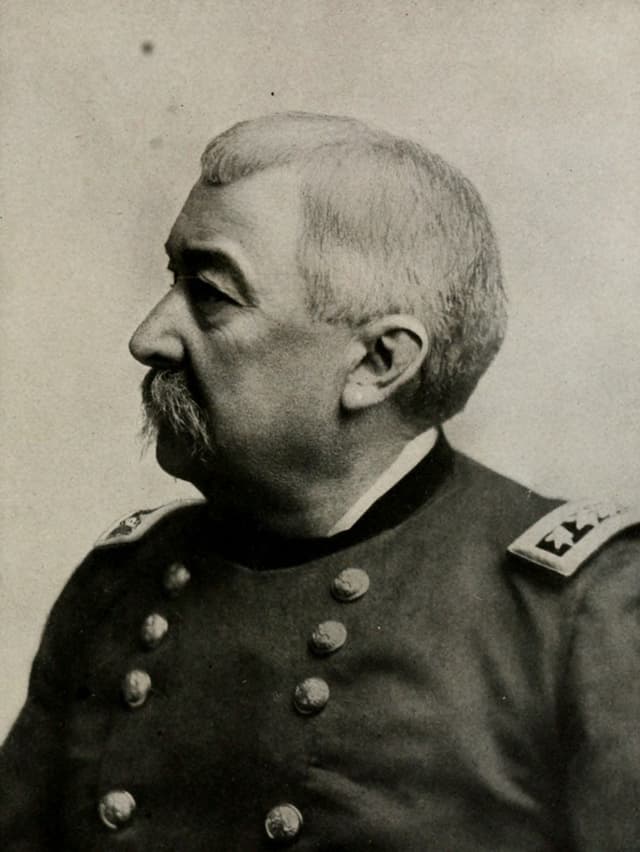
Philip Henry Sheridan
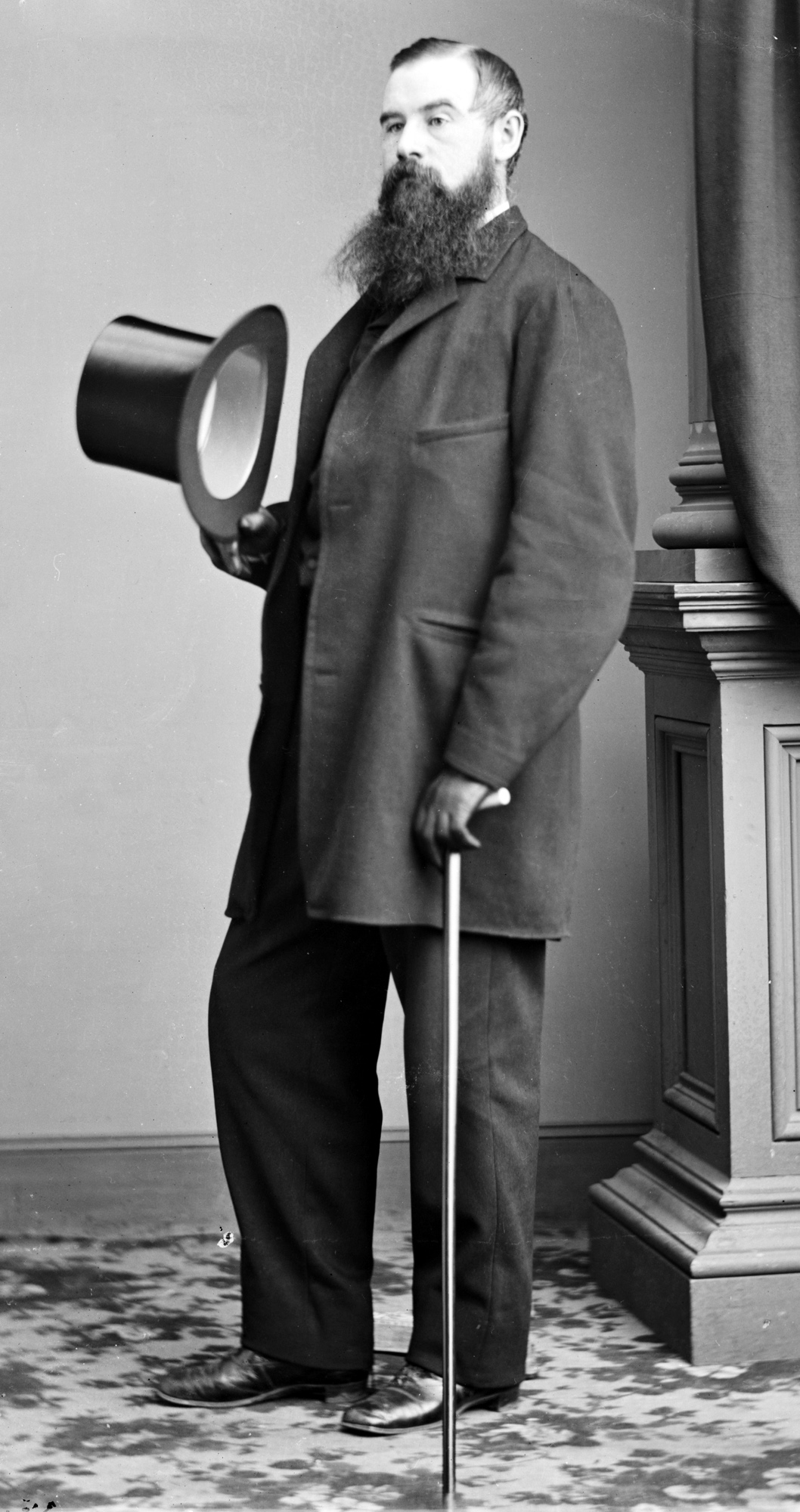
Philip Henry Sheridan was a prominent Union general during the American Civil War, recognized for his strategic acumen and rapid ascent through the military ranks. He gained significant attention for his leadership in the Cavalry Corps of the Army of the Potomac, where he played a crucial role in pivotal battles, including the decisive victory against Confederate forces led by General Jubal Early in the Shenandoah Valley in 1864. This campaign was marked by his controversial use of scorched-earth tactics, which aimed to cripple the Confederacy's resources and morale, a strategy that would influence military operations in subsequent conflicts. Sheridan's relentless pursuit of General Robert E. Lee culminated in Lee's surrender at Appomattox Courthouse in 1865, solidifying his reputation as a key figure in the Union's victory. After the Civil War, Sheridan continued to serve in the U.S. Army, participating in the Indian Wars and advocating for the preservation of Yellowstone National Park. His commitment to both military service and environmental conservation highlighted his multifaceted legacy. In 1883, he was appointed general-in-chief of the U.S. Army, and shortly before his death in 1888, he was promoted to the rank of General of the Army. Sheridan's contributions to military strategy and his role in shaping the post-war United States left an indelible mark on American history, reflecting the complexities of his time and the evolving nature of warfare.
Famous Quotes
View all 1 quotes“If I owned Texas and Hell, I would rent out Texas and live in Hell”
Books from the author









Link to this page
Add a free, dofollow link to Lex on your blog, forum, syllabus, or reading list.

<a href="https://lex-books.com/author/philip-henry-sheridan"><img src="https://lex-books.com/badges/read-on-lex.svg" alt="Philip Henry Sheridan on Lex" width="160" height="40"></a>[](https://lex-books.com/author/philip-henry-sheridan)[url=https://lex-books.com/author/philip-henry-sheridan][img]https://lex-books.com/badges/read-on-lex.svg[/img][/url]Philip Henry Sheridan on Lex: https://lex-books.com/author/philip-henry-sheridan