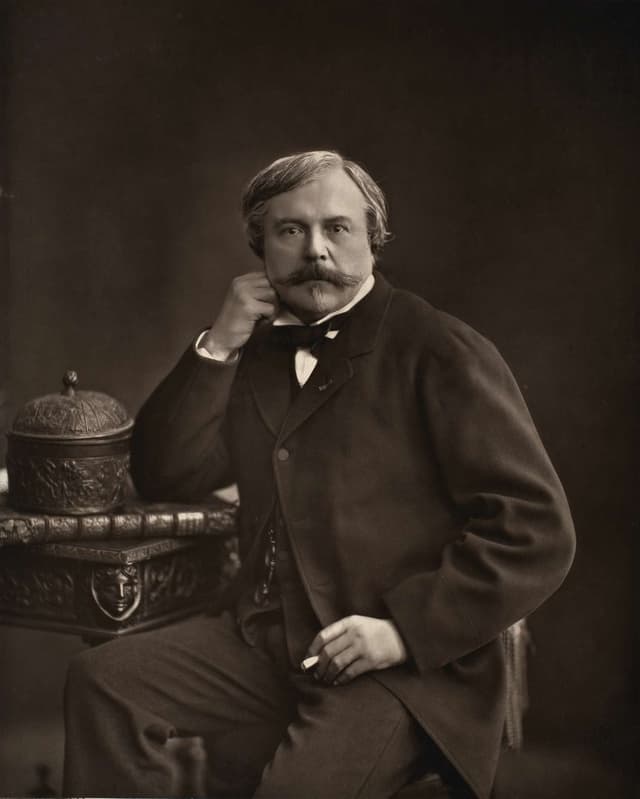
Edmond de Goncourt
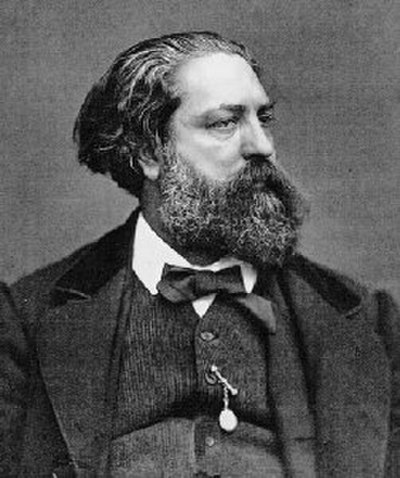
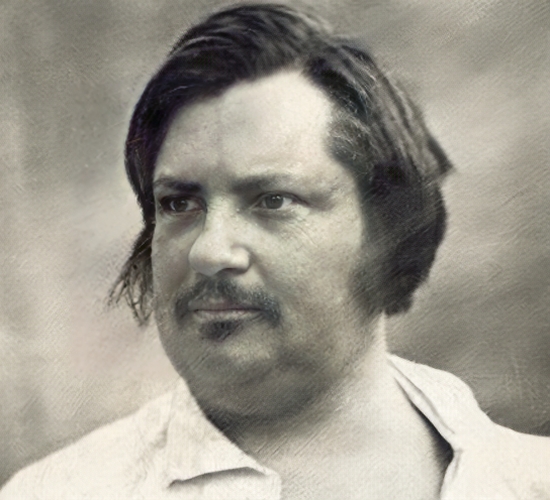
Edmond de Goncourt was a prominent French writer and critic, known for his influential contributions to literature and the arts in the 19th century. Along with his brother Jules, he founded the Académie Goncourt, an institution dedicated to promoting French literature and awarding the prestigious Prix Goncourt. Their collaborative works, including 'Germinie Lacerteux' and 'Manette Salomon,' are notable for their detailed psychological insight and exploration of social themes, often reflecting the complexities of human relationships and the intricacies of the artistic world. Goncourt's writing style was characterized by its meticulous attention to detail and a naturalistic approach that paved the way for future literary movements, particularly realism and impressionism. Goncourt's legacy extends beyond his own literary output; he played a crucial role in shaping the landscape of French literature through his critical essays and the establishment of the Académie Goncourt. His commitment to art and literature influenced a generation of writers and critics, and his works continue to be studied for their innovative narrative techniques and social commentary. Goncourt's exploration of the lives of artists and the struggles they faced has left an indelible mark on the literary canon, solidifying his place as a key figure in the evolution of modern literature.
Famous Quotes
View all 3 quotes“If there is a God, atheism must seem to Him as less of an insult than religion.”
“A painting in a museum hears more ridiculous opinions than anything else in the world.”
“Today I begin to understand what love must be, if it exists. When we are parted, we each feel the lack of the other half of ourselves. We are incomplete like a book in two volumes of which the first has been lost. That is what I imagine love to be: incompleteness in absence.”
Books from the author

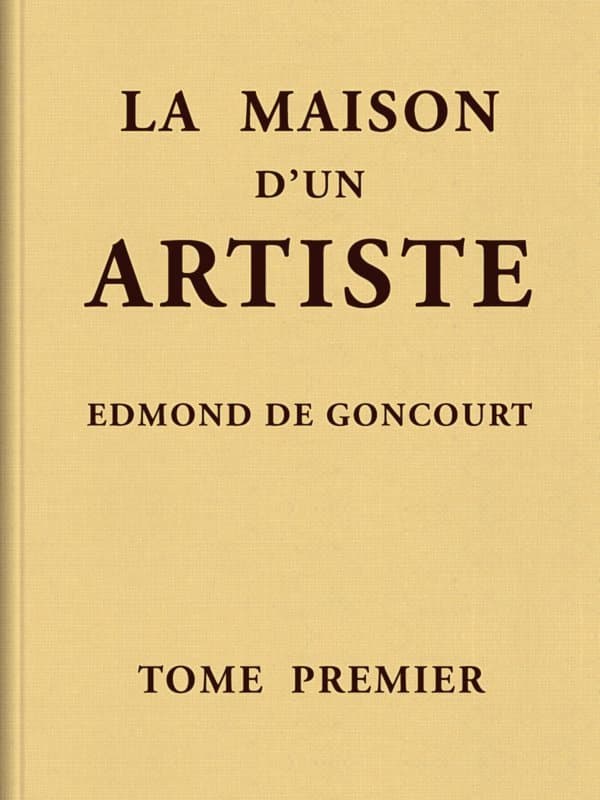

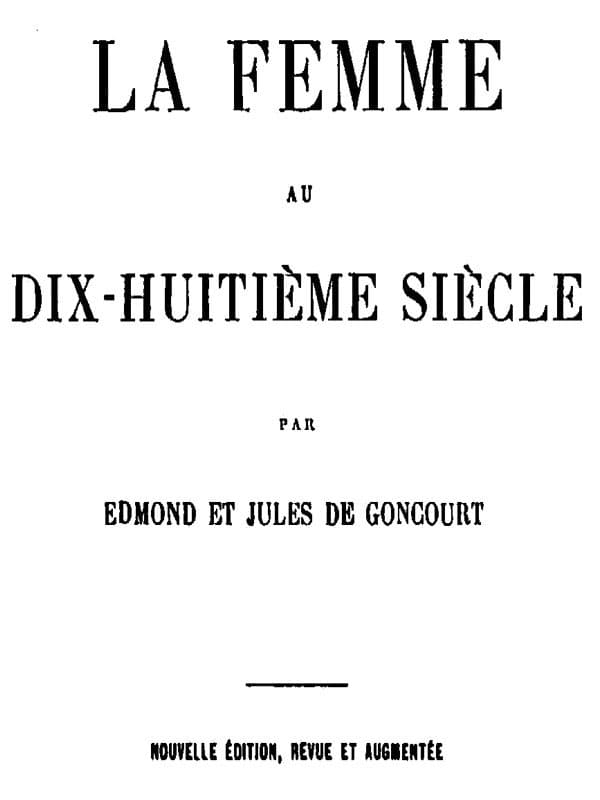

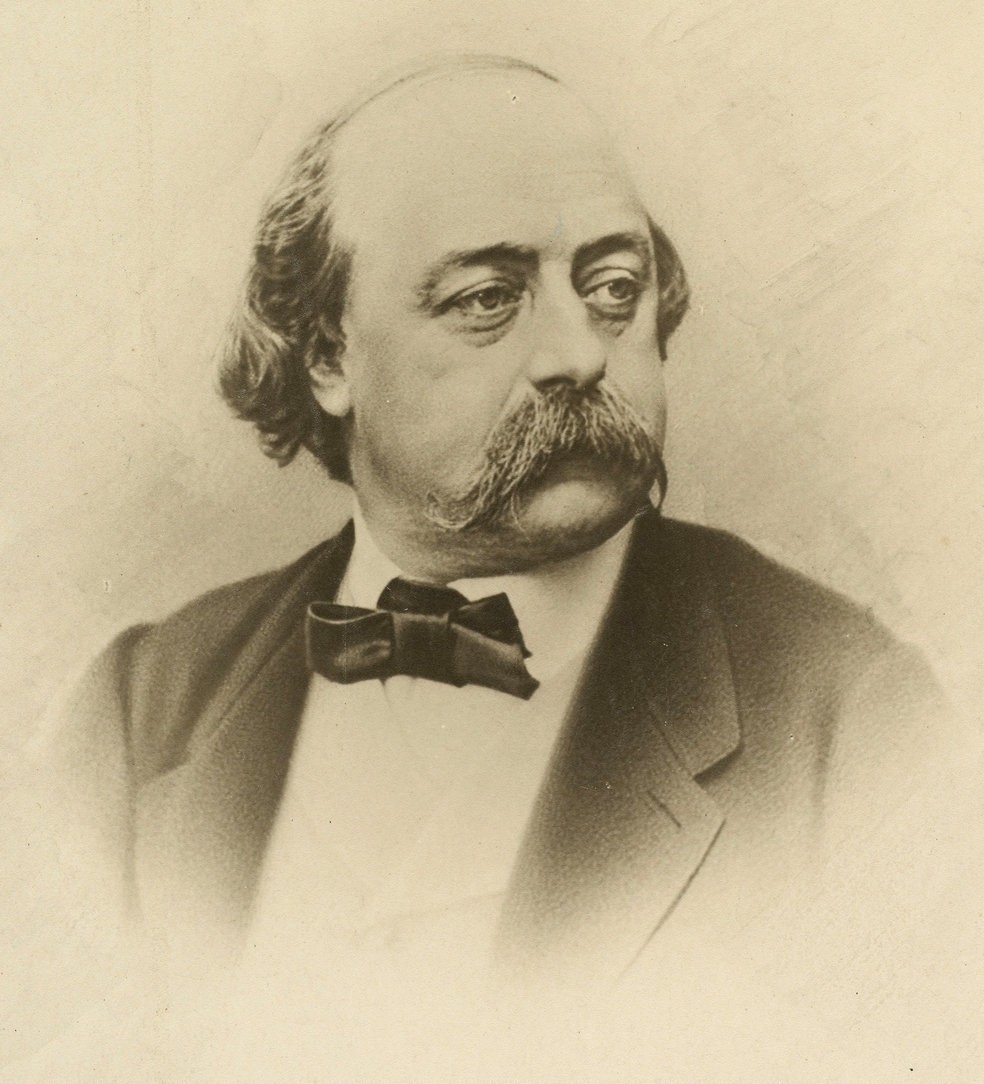




Link to this page
Add a free, dofollow link to Lex on your blog, forum, syllabus, or reading list.

<a href="https://lex-books.com/author/edmond-de-goncourt"><img src="https://lex-books.com/badges/read-on-lex.svg" alt="Edmond de Goncourt on Lex" width="160" height="40"></a>[](https://lex-books.com/author/edmond-de-goncourt)[url=https://lex-books.com/author/edmond-de-goncourt][img]https://lex-books.com/badges/read-on-lex.svg[/img][/url]Edmond de Goncourt on Lex: https://lex-books.com/author/edmond-de-goncourt