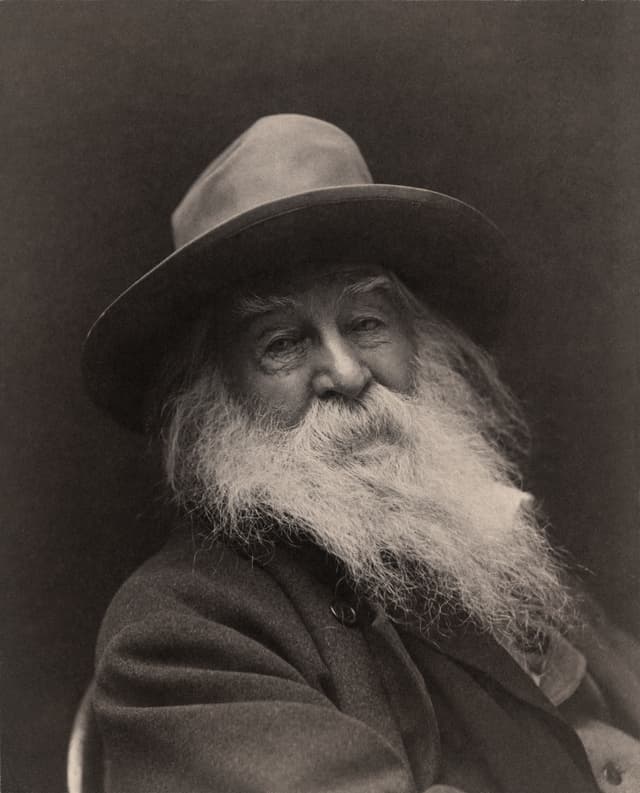
Walt Whitman
Walt Whitman was an American poet, essayist, and journalist, widely regarded as one of the most influential figures in American and world literature. Born in Huntington, New York, and raised in Brooklyn, he left formal education at the age of 11 to pursue various jobs, including journalism and teaching. His groundbreaking poetry collection, Leaves of Grass, first published in 1855, challenged conventional poetic forms and themes, introducing free verse and celebrating the human experience in all its complexity. The collection, which he continued to revise and expand throughout his life, was initially met with controversy due to its candid exploration of sensuality and the human body, yet it ultimately became a defining work of American literature. During the American Civil War, Whitman served as a volunteer nurse, an experience that deeply influenced his writing, particularly in themes of loss and healing. His admiration for President Abraham Lincoln led him to compose poignant elegies such as "O Captain! My Captain!" and "When Lilacs Last in the Dooryard Bloom'd." Whitman's legacy is marked by his innovative approach to poetry and his ability to articulate the American spirit, making him a pivotal figure in the transition to modern literature. His work continues to inspire writers and poets, solidifying his status as the father of free verse and a champion of individualism and democracy in art.
Famous Quotes
View all 20 quotes“What is that you express in your eyes? It seems to me more than all the print I have read in my life.””
“Do I contradict myself?Very well then I contradict myself,(I am large, I contain multitudes.)””
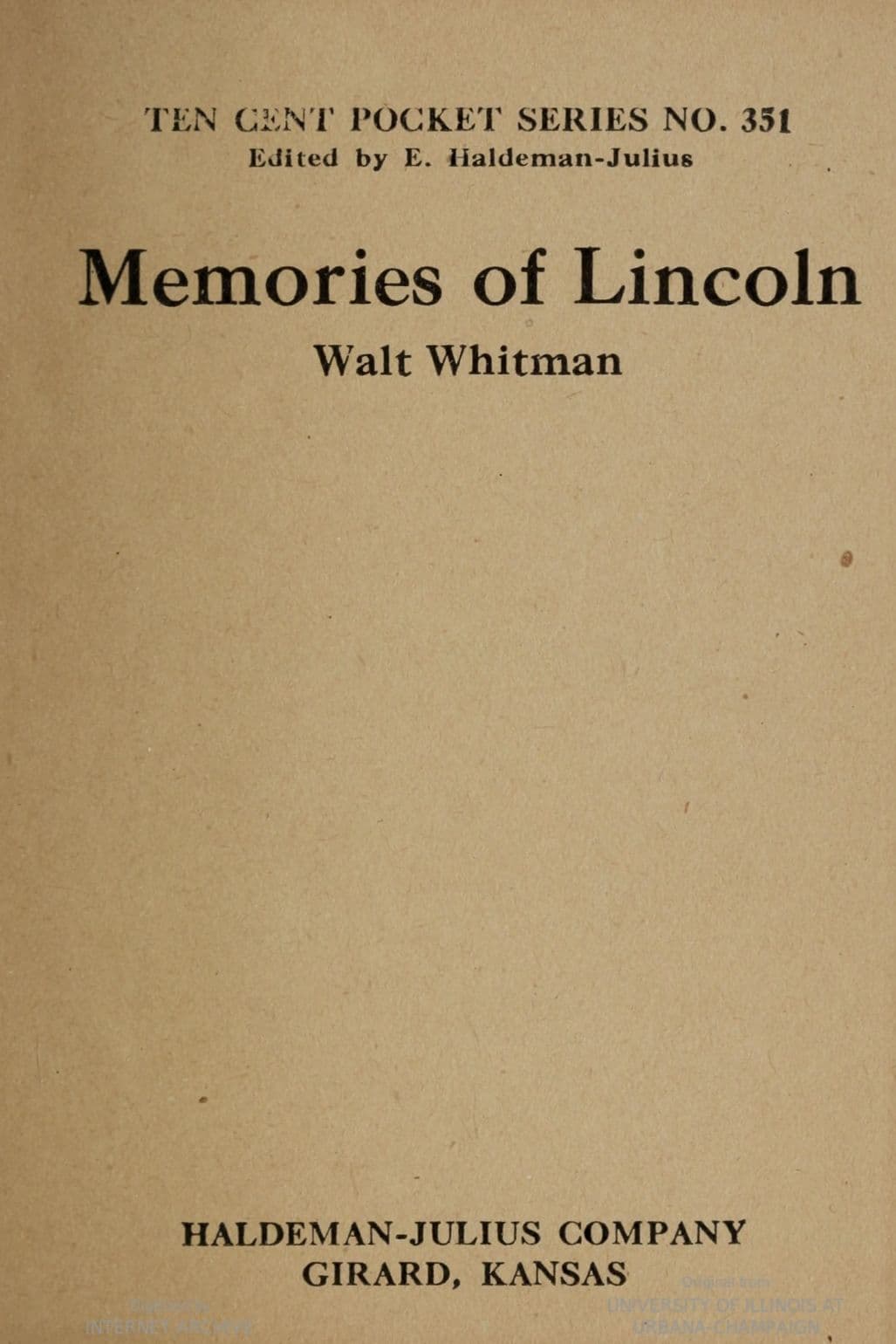
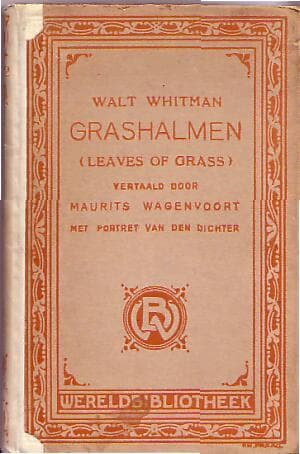
Books from the author





Link to this page
Add a free, dofollow link to Lex on your blog, forum, syllabus, or reading list.

<a href="https://lex-books.com/author/walt-whitman"><img src="https://lex-books.com/badges/read-on-lex.svg" alt="Walt Whitman on Lex" width="160" height="40"></a>[](https://lex-books.com/author/walt-whitman)[url=https://lex-books.com/author/walt-whitman][img]https://lex-books.com/badges/read-on-lex.svg[/img][/url]Walt Whitman on Lex: https://lex-books.com/author/walt-whitman