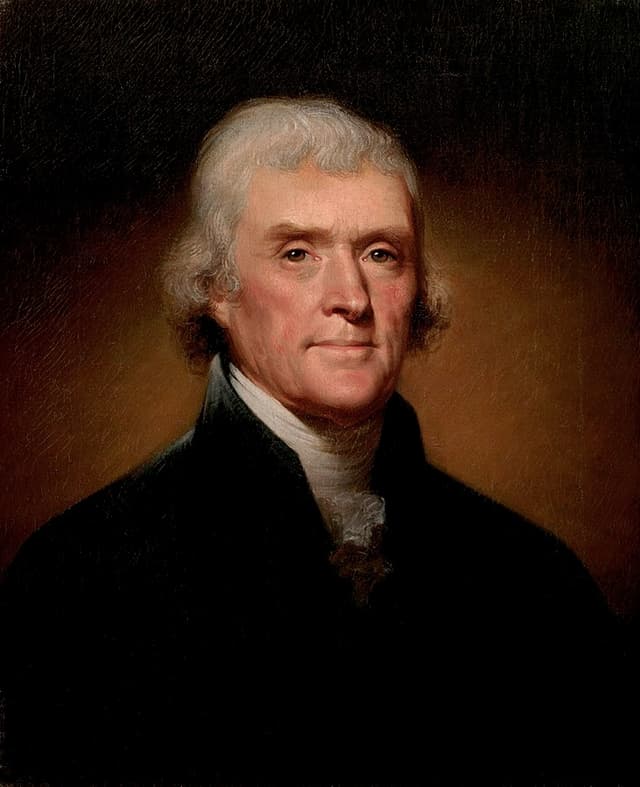
Thomas Jefferson
Thomas Jefferson was a pivotal figure in American history, serving as the third president of the United States from 1801 to 1809 and as the principal author of the Declaration of Independence. Born into the planter class of colonial Virginia, he was deeply influenced by Enlightenment ideals, advocating for democracy, republicanism, and the natural rights of individuals. Jefferson's role in the American Revolution was significant; he represented Virginia in the Second Continental Congress, where he drafted the Declaration, a document that not only declared independence from British rule but also articulated the principles of liberty and equality that would resonate throughout American history. Beyond his authorship of foundational texts, Jefferson's political career included serving as the first U.S. Secretary of State and the second Vice President under John Adams. He was instrumental in forming the Democratic-Republican Party, which opposed the Federalist Party and shaped the early political landscape of the United States. His presidency is noted for the Louisiana Purchase in 1803, which doubled the size of the nation and furthered his vision of an agrarian America. Jefferson's legacy is complex; while he championed individual rights and freedoms, his ownership of slaves and views on race have sparked ongoing debates about his contributions to American society and values.
Famous Quotes
View all 17 quotes“I cannot live without books.””
“Do you want to know who you are? Don't ask. Act! Action will delineate and define you.””
“I predict future happiness for Americans, if they can prevent the government from wasting the labors of the people under the pretense of taking care of them.””
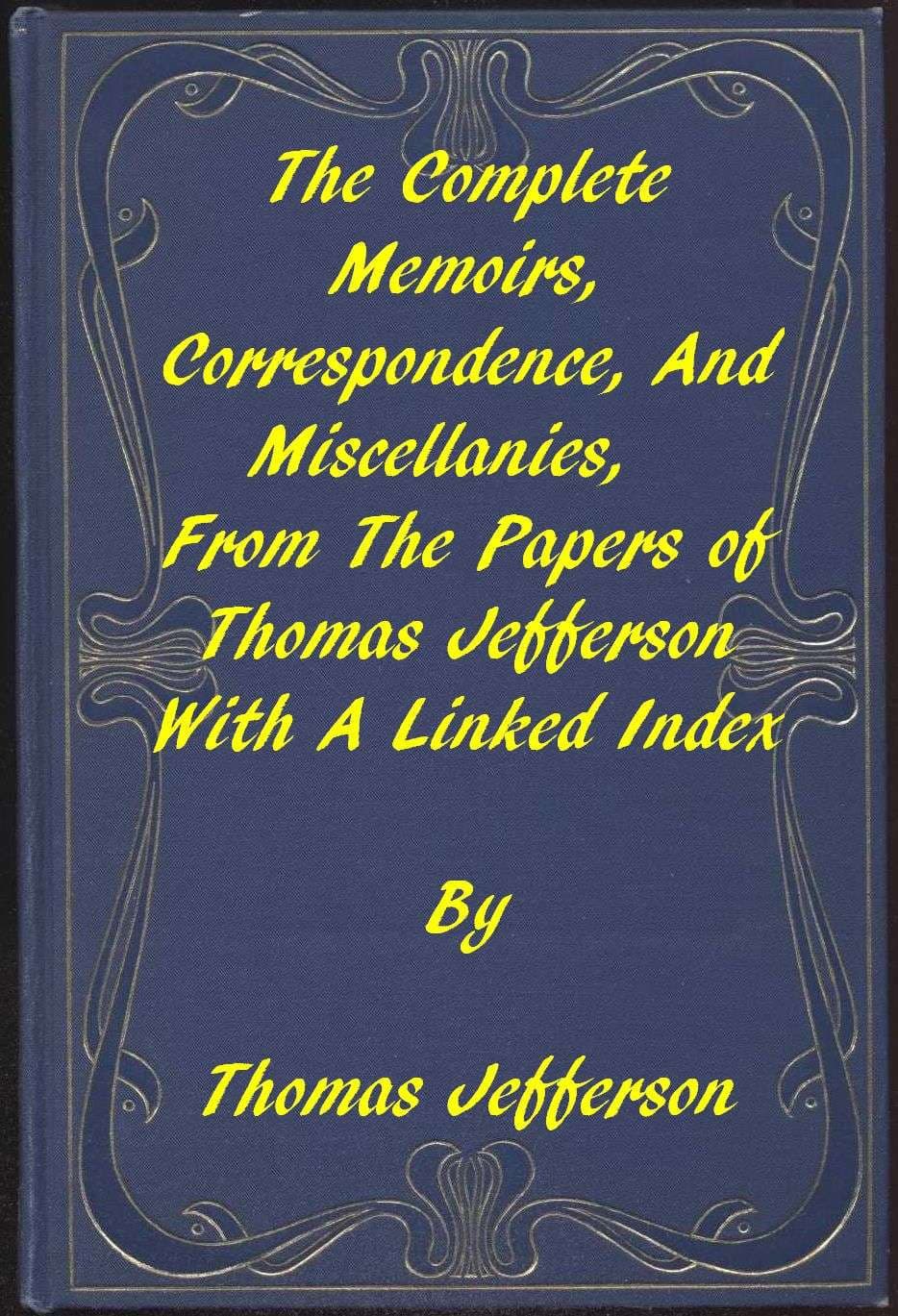
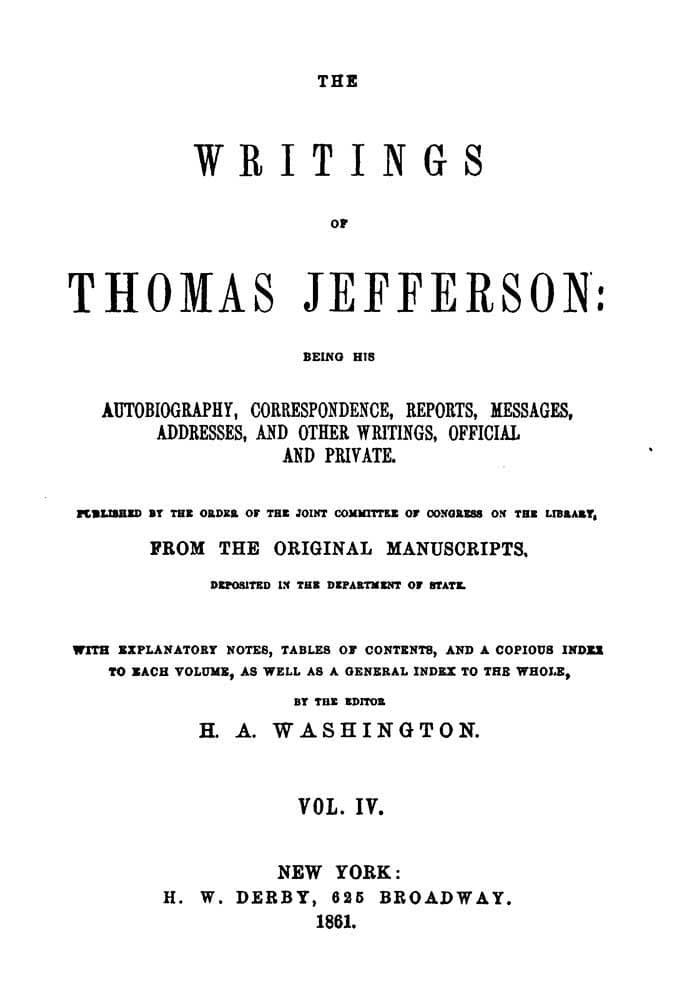
Books from the author


Link to this page
Add a free, dofollow link to Lex on your blog, forum, syllabus, or reading list.

<a href="https://lex-books.com/author/thomas-jefferson"><img src="https://lex-books.com/badges/read-on-lex.svg" alt="Thomas Jefferson on Lex" width="160" height="40"></a>[](https://lex-books.com/author/thomas-jefferson)[url=https://lex-books.com/author/thomas-jefferson][img]https://lex-books.com/badges/read-on-lex.svg[/img][/url]Thomas Jefferson on Lex: https://lex-books.com/author/thomas-jefferson