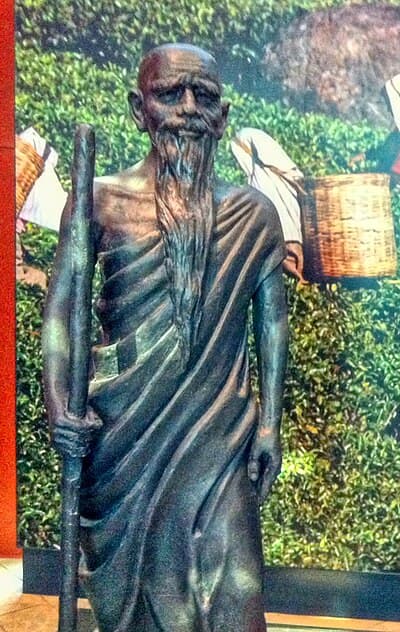
Faxian
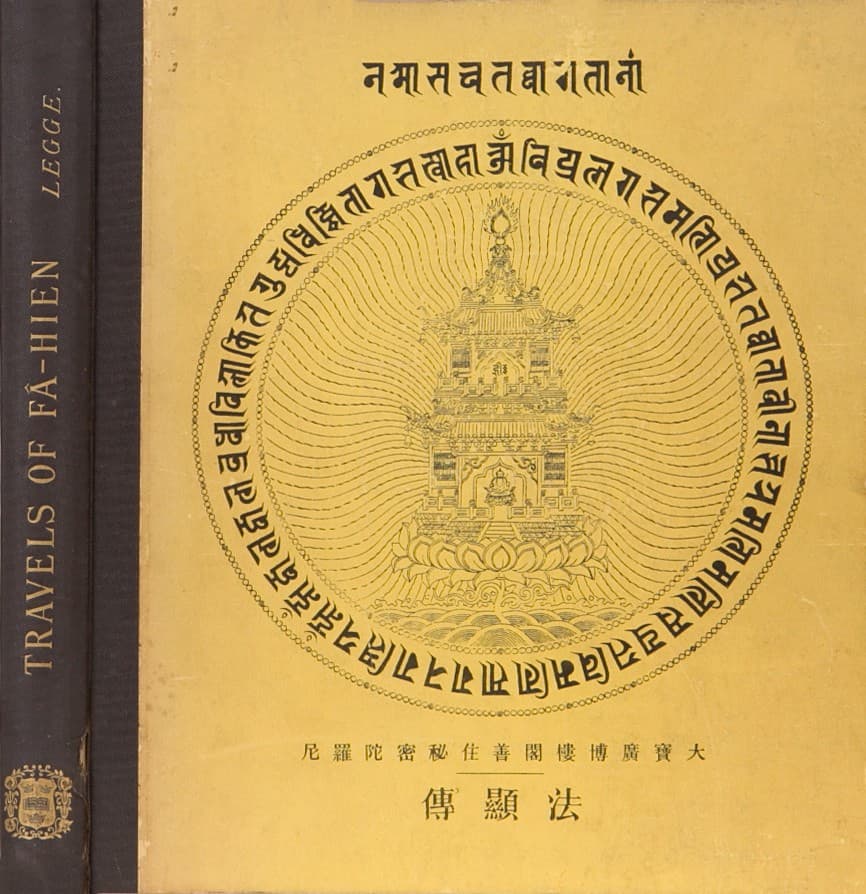
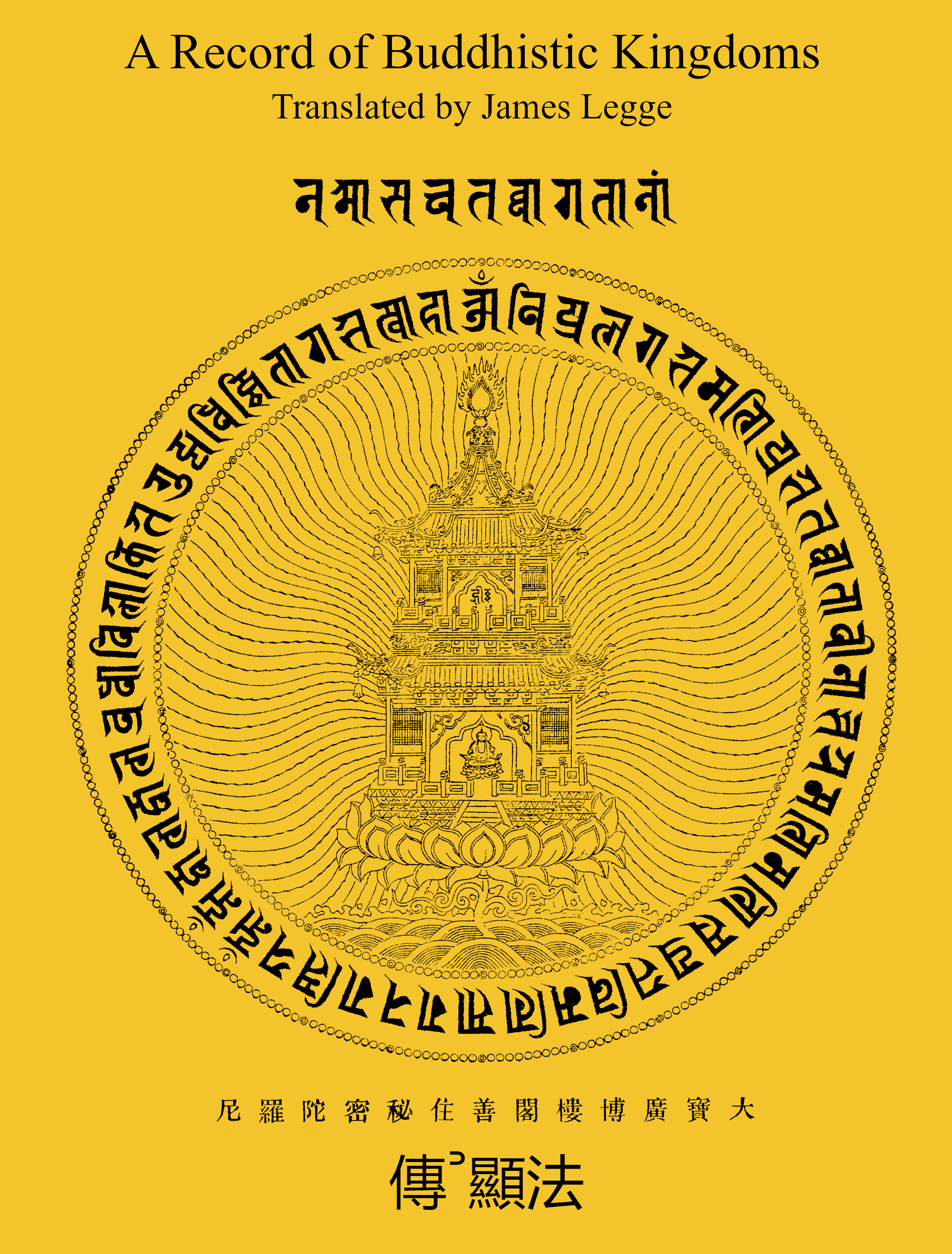
Faxian was a Chinese Buddhist monk and traveler, renowned for his pilgrimage to India in search of sacred texts and a deeper understanding of Buddhism. His journey, which took place during the early 5th century, was significant not only for its spiritual intent but also for its contributions to the understanding of the cultural and religious landscape of Asia at that time. Traveling through regions that are now part of modern-day Afghanistan and India, Faxian meticulously documented his experiences, the practices he observed, and the texts he sought, including the teachings of the Buddha. His most notable work, "A Record of Buddhistic Kingdoms," provides invaluable insights into the spread of Buddhism and the interactions between different cultures along the Silk Road. This text is one of the earliest accounts of Indian culture from a Chinese perspective and has been instrumental in the study of the history of Buddhism. Faxian's legacy lies in his role as a cultural bridge, fostering an understanding of Buddhist teachings across borders and influencing later generations of scholars and monks. His travels not only enriched the spiritual landscape of China but also contributed to the broader narrative of East-West exchanges in ancient times.
Famous Quotes
View all 2 quotes“There are four places of regular and fixed occurrence (in the history of) all Buddhas:--first, the place where they attained to perfect Wisdom (and became Buddha); second, the place where they turned the wheel of the Law;(20) third, the place where they preached the Law, discoursed of righteousness, and discomfited (the advocates of) erroneous doctrines; and fourth, the place where they came down, after going up to the Trayatrimsas heaven to preach the Law for the benefit of their mothers.””
“Fifty le east from the city was a garden, named Lumbini,(17) where the queen entered the pond and bathed. Having come forth from the pond on the northern bank, after (walking) twenty paces, she lifted up her hand, laid hold of a branch of a tree, and, with her face to the east, gave birth to the heir-apparent.(18) When he fell to the ground, he (immediately) walked seven paces.””
Books from the author



Link to this page
Add a free, dofollow link to Lex on your blog, forum, syllabus, or reading list.

<a href="https://lex-books.com/author/faxian"><img src="https://lex-books.com/badges/read-on-lex.svg" alt="Faxian on Lex" width="160" height="40"></a>[](https://lex-books.com/author/faxian)[url=https://lex-books.com/author/faxian][img]https://lex-books.com/badges/read-on-lex.svg[/img][/url]Faxian on Lex: https://lex-books.com/author/faxian