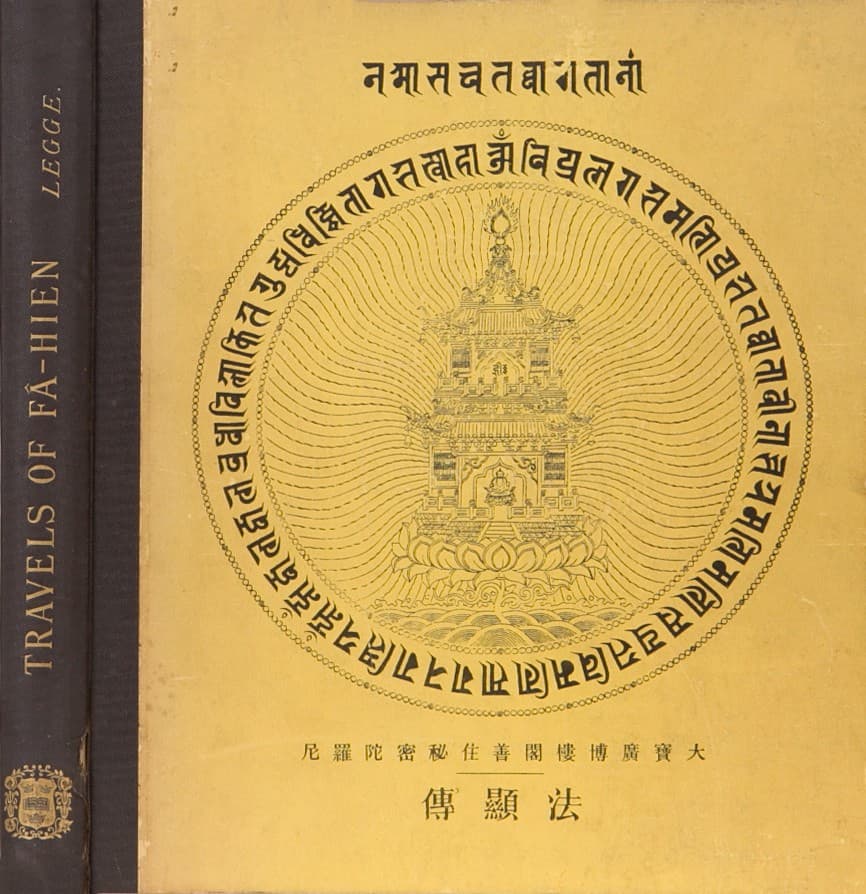
A Record of Buddhistic Kingdoms
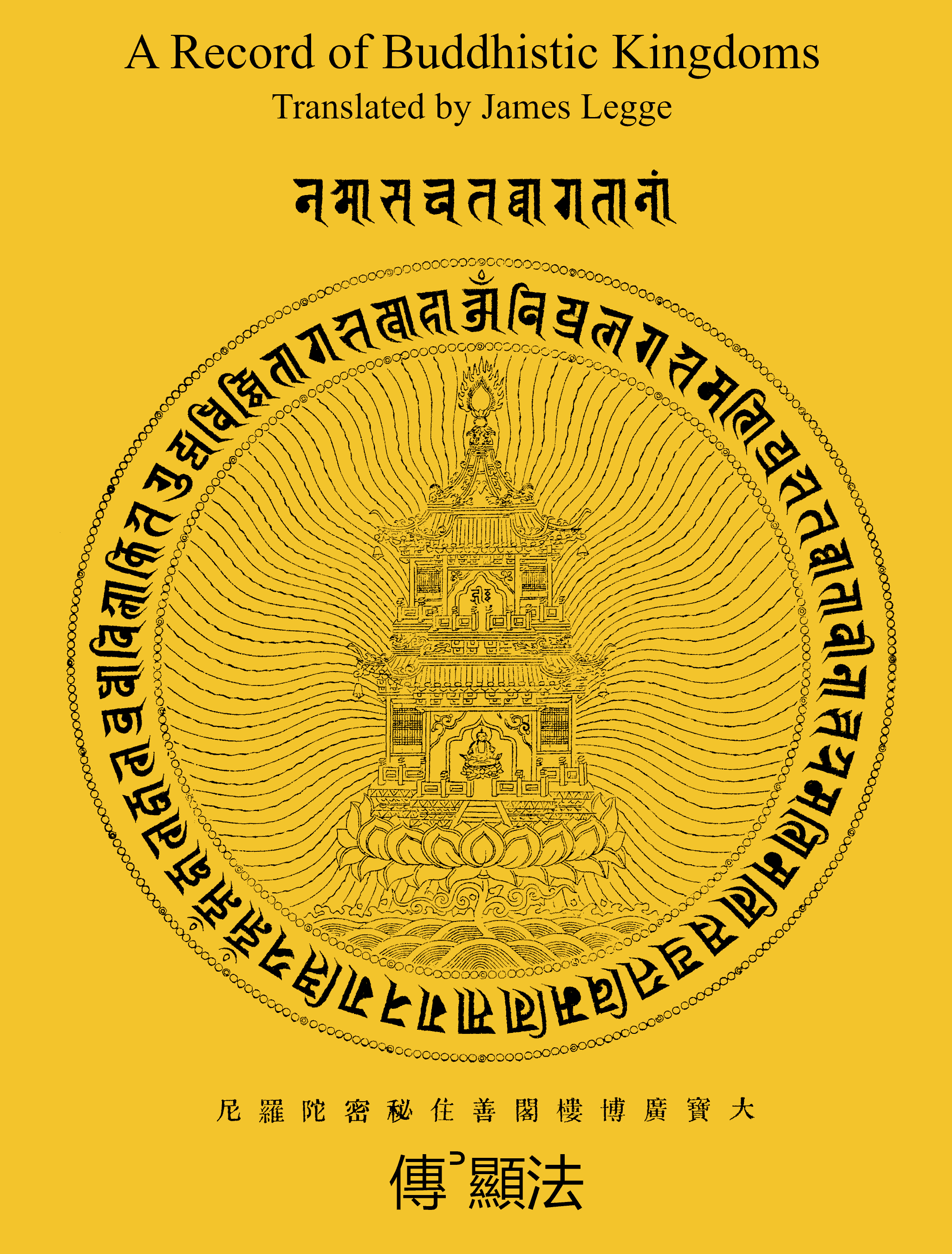
One of the oldest surviving accounts of India by a foreign traveler, this 5th-century chronicle records the extraordinary pilgrimage of Chinese monk Faxian, who walked over 15,000 miles across Central Asia, India, and Sri Lanka to retrieve Buddhist scriptures that had not yet reached China. Through deserts, mountain passes, and ancient kingdoms, Faxian documented everything: the crumbling ruins of Buddhist monasteries, the daily practices of monks in the Ganges valley, the sacred sites where the Buddha himself had walked. His prose is spare and factual, yet occasional bursts of wonder break through, a rain of golden flowers at a holy site, a monastery where a thousand monks dine in perfect silence. What emerges is not just a travelogue but a window into a world that would soon vanish: the great universities of India, the living traditions that would be swept away in centuries to come. For readers drawn to early travel writing, ancient history, or the inner lives of religious seekers, Faxian's record offers something rare, a first-person account from the edge of the known world, where one man's faith reshaped an entire civilization's understanding of Buddhism.
Editions

X-Ray
“Fifty le east from the city was a garden, named Lumbini,(17) where the queen entered the pond and bathed. Having come forth from the pond on the northern bank, after (walking) twenty paces, she lifted up her hand, laid hold of a branch of a tree, and, with her face to the east, gave birth to the heir-apparent.(18) When he fell to the ground, he (immediately) walked seven paces.””
— Faxian
“There are four places of regular and fixed occurrence (in the history of) all Buddhas:--first, the place where they attained to perfect Wisdom (and became Buddha); second, the place where they turned the wheel of the Law;(20) third, the place where they preached the Law, discoursed of righteousness, and discomfited (the advocates of) erroneous doctrines; and fourth, the place where they came down, after going up to the Trayatrimsas heaven to preach the Law for the benefit of their mothers.””
— Faxian
Link to this book
Add a free, dofollow link to Lex on your blog, forum, syllabus, or reading list.

<a href="https://lex-books.com/book/a-record-of-buddhistic-kingdoms-476f0415-1ec7-44e6-a52d-f99559dbf017"><img src="https://lex-books.com/badges/read-on-lex.svg" alt="Read A Record of Buddhistic Kingdoms by Faxian free on Lex" width="160" height="40"></a>[](https://lex-books.com/book/a-record-of-buddhistic-kingdoms-476f0415-1ec7-44e6-a52d-f99559dbf017)[url=https://lex-books.com/book/a-record-of-buddhistic-kingdoms-476f0415-1ec7-44e6-a52d-f99559dbf017][img]https://lex-books.com/badges/read-on-lex.svg[/img][/url]Read A Record of Buddhistic Kingdoms by Faxian free on Lex: https://lex-books.com/book/a-record-of-buddhistic-kingdoms-476f0415-1ec7-44e6-a52d-f99559dbf017Cite this book
Reading this edition for a paper or guide? Copy a citation.
Faxian. A Record of Buddhistic Kingdoms. Lex, lex-books.com/book/a-record-of-buddhistic-kingdoms-476f0415-1ec7-44e6-a52d-f99559dbf017.Faxian (n.d.). A Record of Buddhistic Kingdoms. Lex. https://lex-books.com/book/a-record-of-buddhistic-kingdoms-476f0415-1ec7-44e6-a52d-f99559dbf017Faxian. A Record of Buddhistic Kingdoms. Lex. https://lex-books.com/book/a-record-of-buddhistic-kingdoms-476f0415-1ec7-44e6-a52d-f99559dbf017.