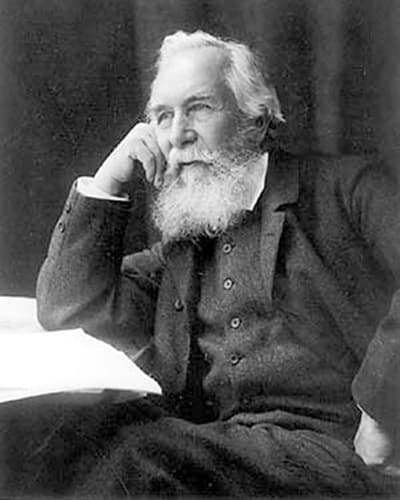
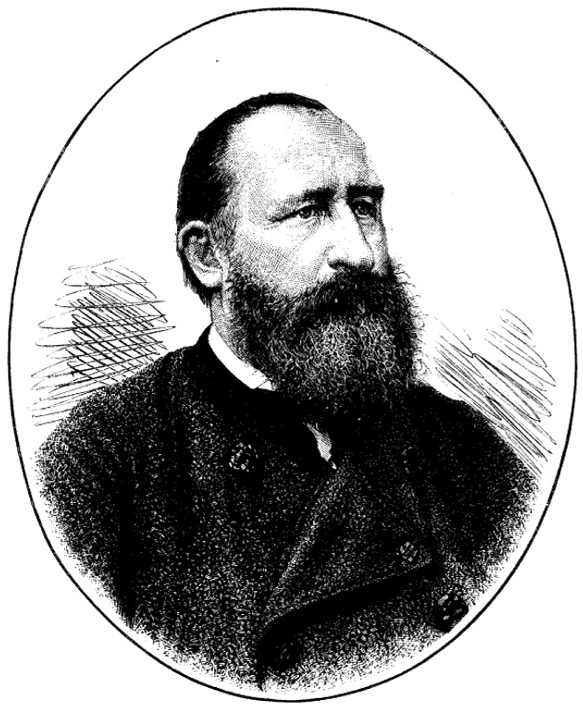
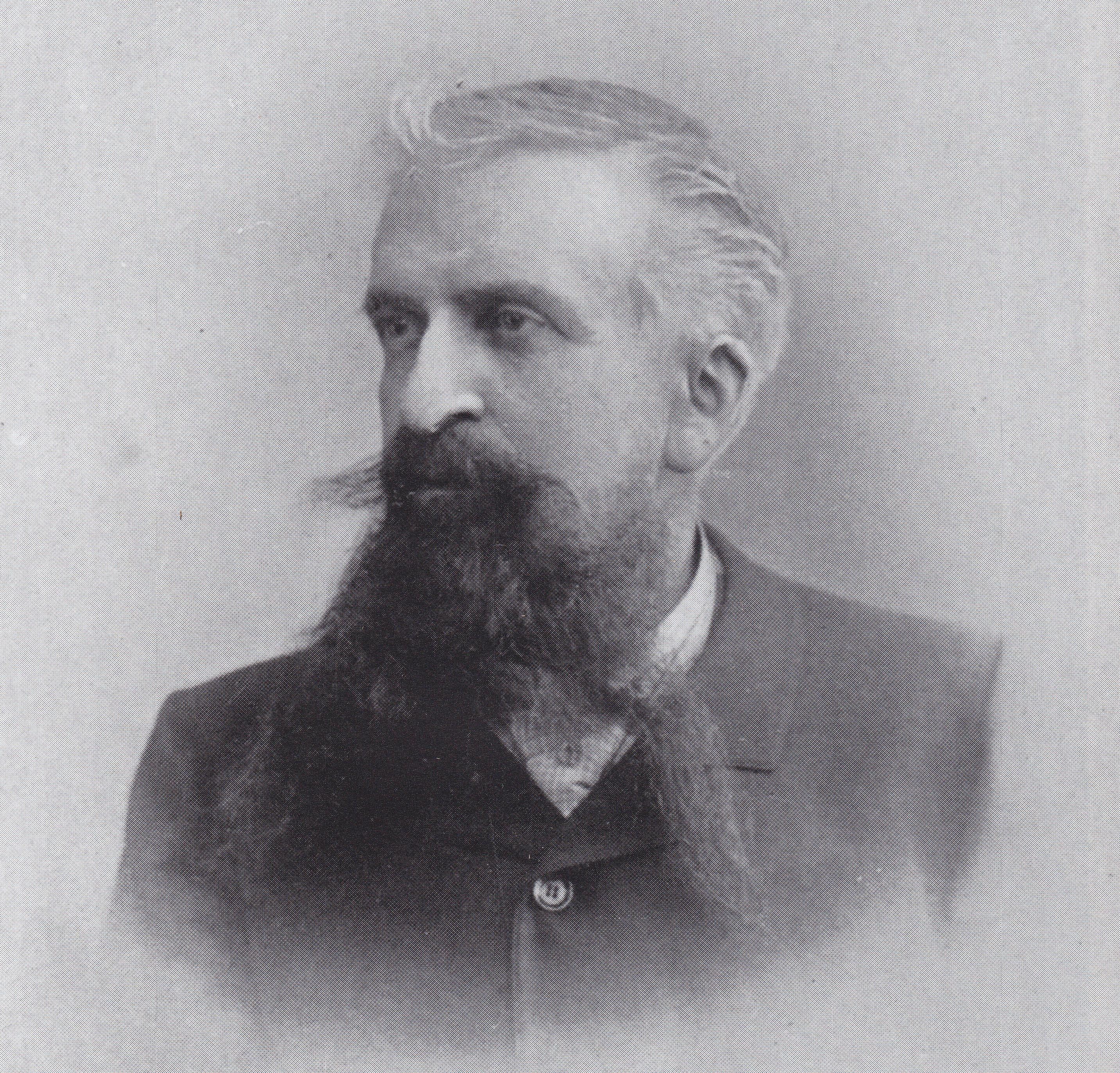
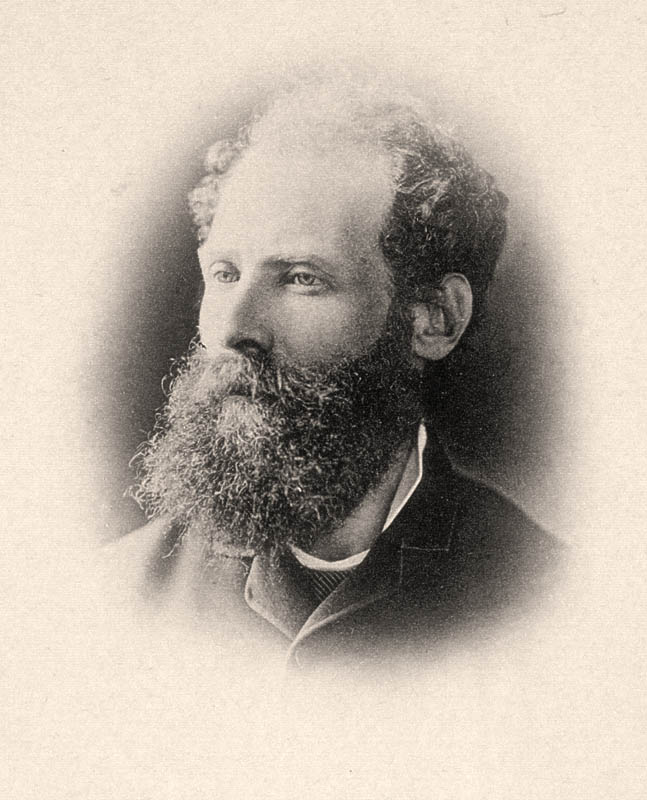
Ernst Haeckel
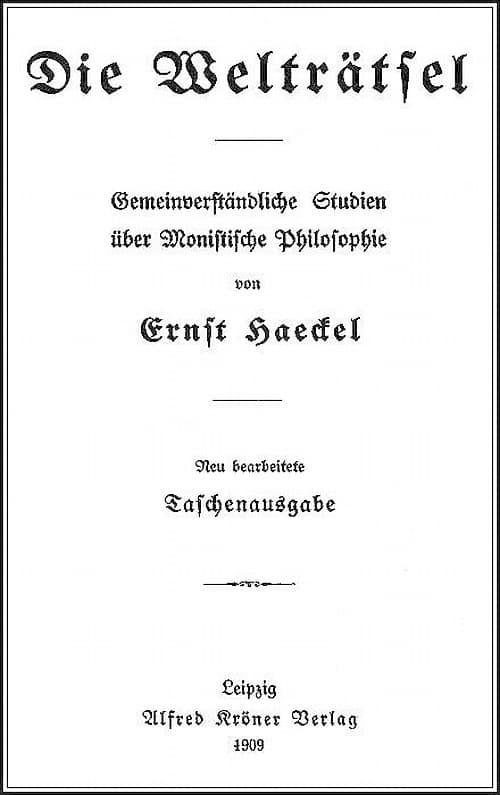
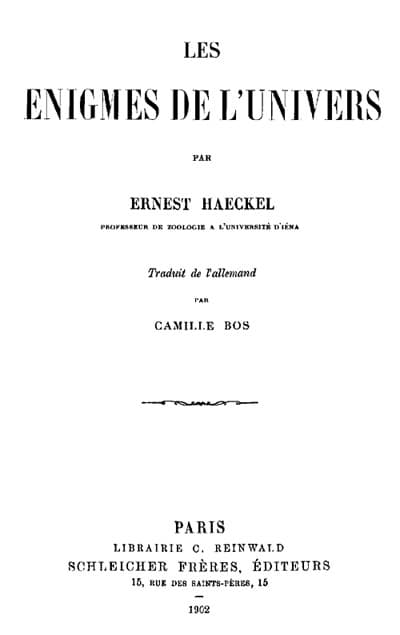
Ernst Haeckel was a prominent German zoologist, naturalist, and philosopher whose work significantly shaped the fields of biology and philosophy in the late 19th and early 20th centuries. He is best known for his extensive contributions to the understanding of evolutionary biology, having discovered and described thousands of new species while mapping a genealogical tree that illustrated the relationships among all life forms. Haeckel coined several key biological terms, including ecology, phylum, and phylogeny, and his controversial recapitulation theory posited that an organism's development mirrors its evolutionary history. This theory, though later discredited, sparked considerable debate and interest in evolutionary science during his time. In addition to his scientific endeavors, Haeckel was an accomplished artist, producing over 100 intricate illustrations of marine life, which were compiled in his influential work, "Kunstformen der Natur" (Art Forms of Nature). This collection not only advanced scientific understanding but also inspired the Art Nouveau movement. Haeckel's philosophical writings, particularly "Die Welträthsel" (The Riddles of the Universe), explored the intersection of science and spirituality, further cementing his legacy as a thinker. Despite his contributions, Haeckel's embrace of eugenics and Social Darwinism has marred his reputation, highlighting the complexities of his influence on both science and society. He was also notable for coining the term 'World War' to describe the Great War as early as 1914, reflecting his engagement with contemporary global issues.
Famous Quotes
View all 12 quotes“As our mother earth is a mere speck in the sunbeam in the illimitable universe, so man himself is but a tiny grain of protoplasm in the perishable framework of organic nature. [This] clearly indicates the true place of man in nature, but it dissipates the prevalent illusion of man's supreme importance and the arrogance with which he sets himself apart from the illimitable universe and exalts himself to the position of its most valuable element.””
“Civilisation and the life of nations are governed by the same laws as prevail throughout nature and organic life.””
“Where faith commences, science ends. Both these arts of the human mind must be strictly kept apart from each other. Faith has its origin in the poetic imagination; knowledge, on the other hand, originates in the reasoning intelligence of man. Science has to pluck the blessed fruits from the tree of knowledge, unconcerned whether these conquests trench upon the poetical imaginings of faith or not.””
Books from the author
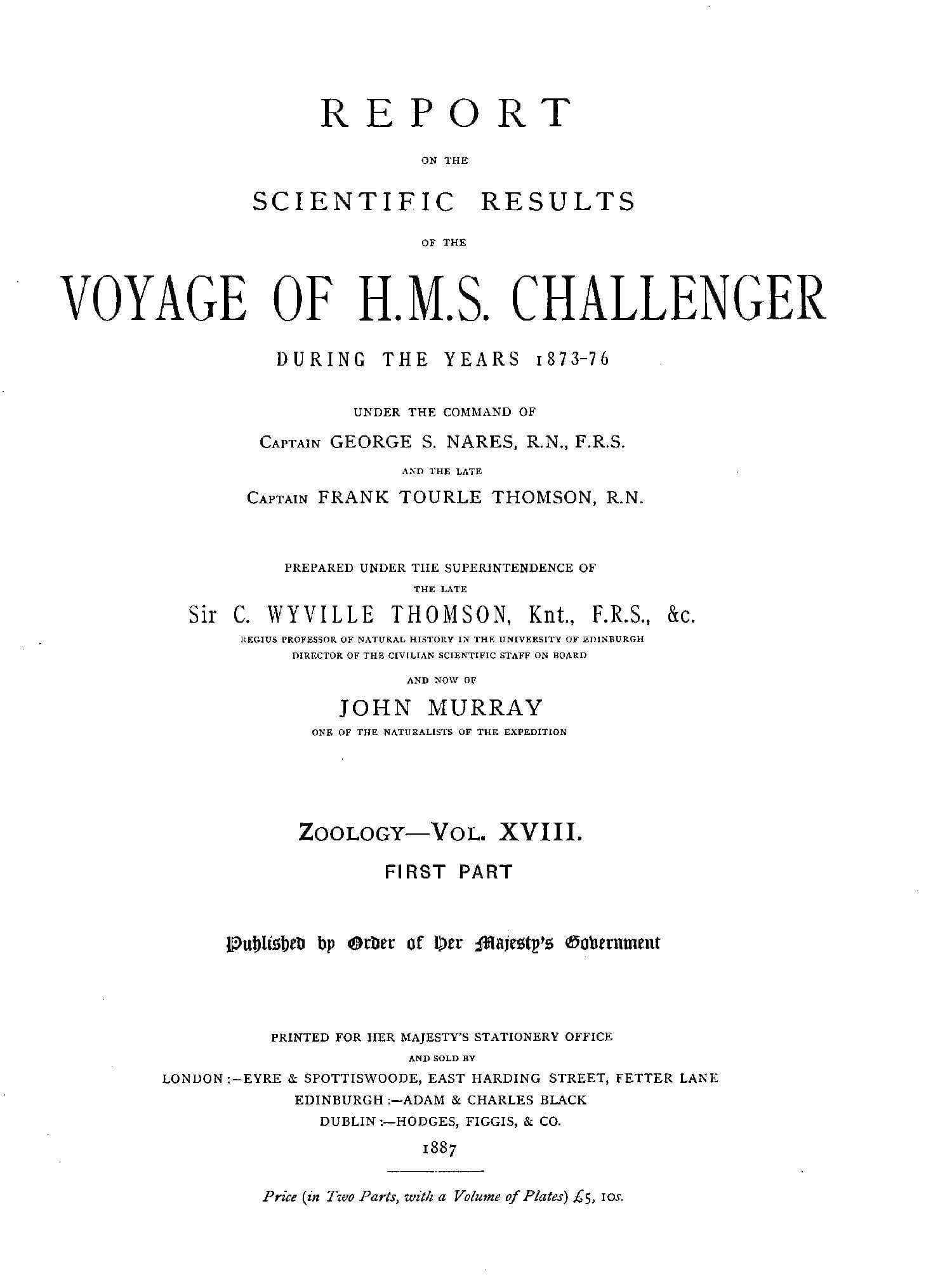
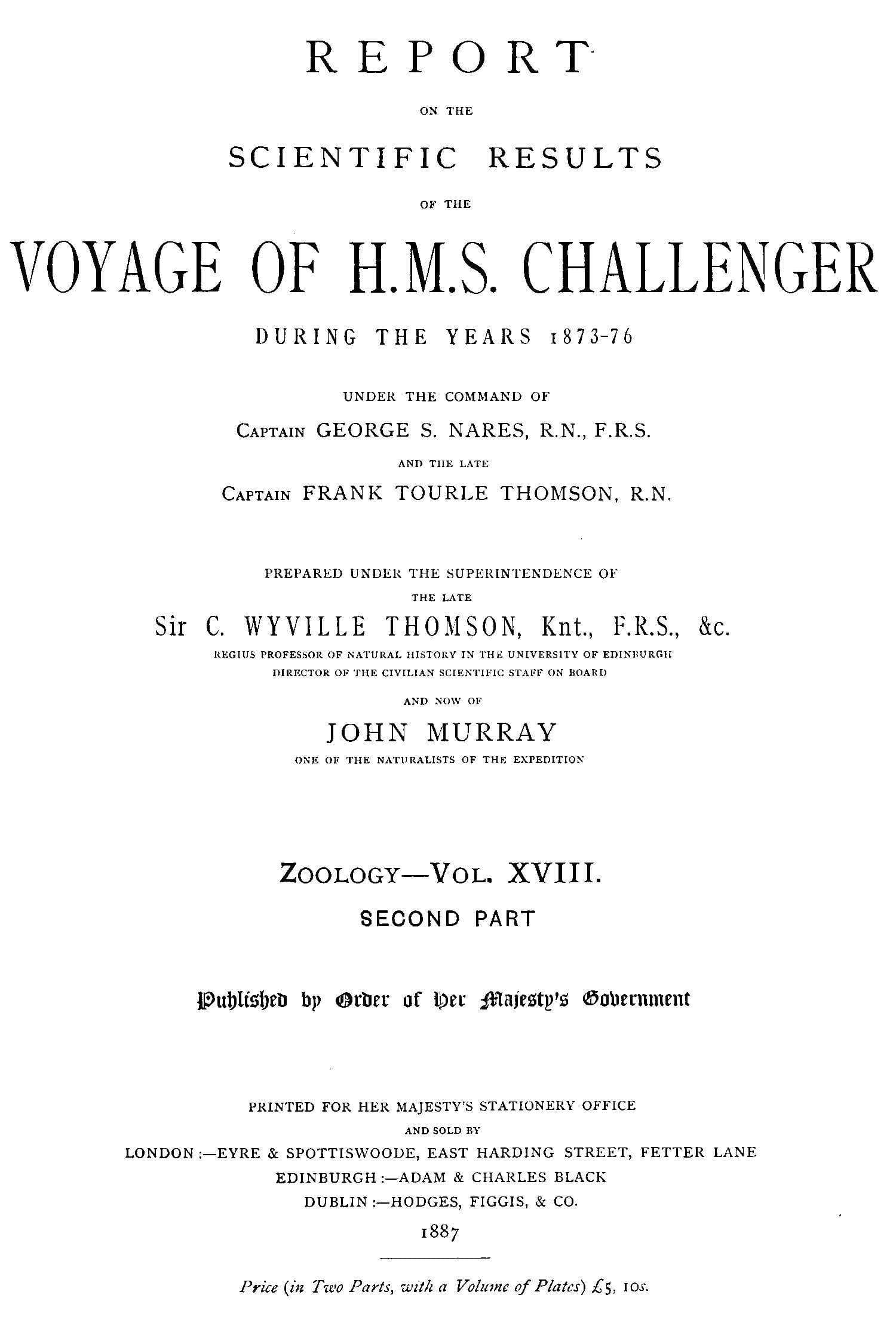
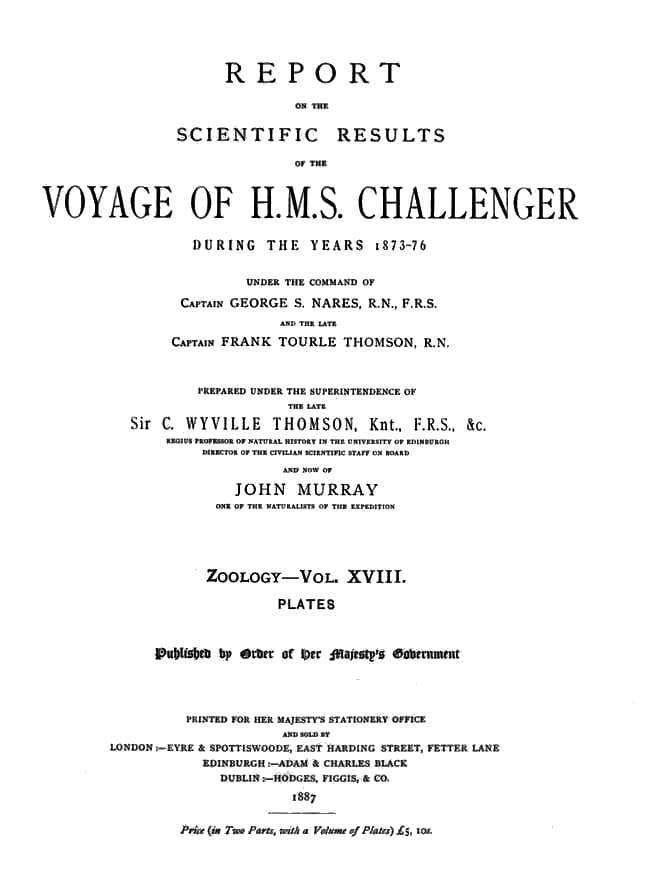

Link to this page
Add a free, dofollow link to Lex on your blog, forum, syllabus, or reading list.

<a href="https://lex-books.com/author/ernst-haeckel"><img src="https://lex-books.com/badges/read-on-lex.svg" alt="Ernst Haeckel on Lex" width="160" height="40"></a>[](https://lex-books.com/author/ernst-haeckel)[url=https://lex-books.com/author/ernst-haeckel][img]https://lex-books.com/badges/read-on-lex.svg[/img][/url]Ernst Haeckel on Lex: https://lex-books.com/author/ernst-haeckel