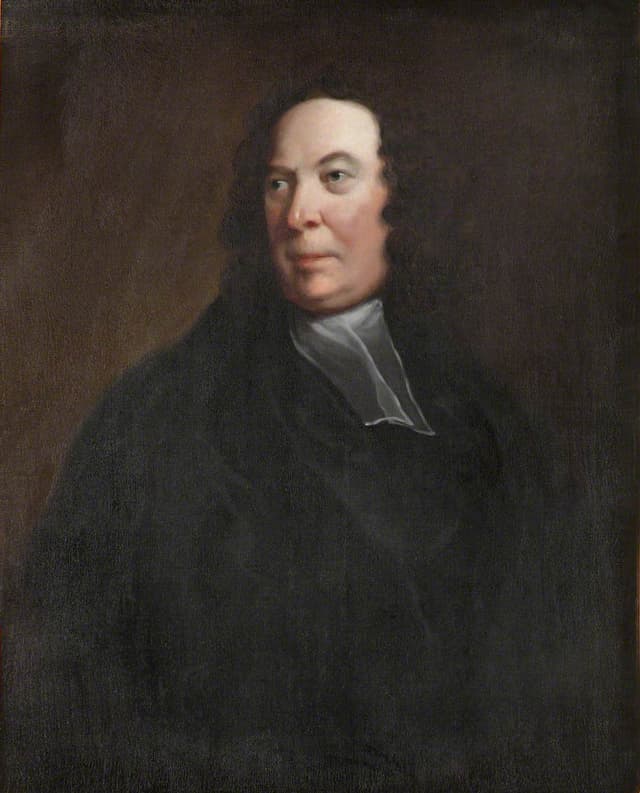
Edward Young
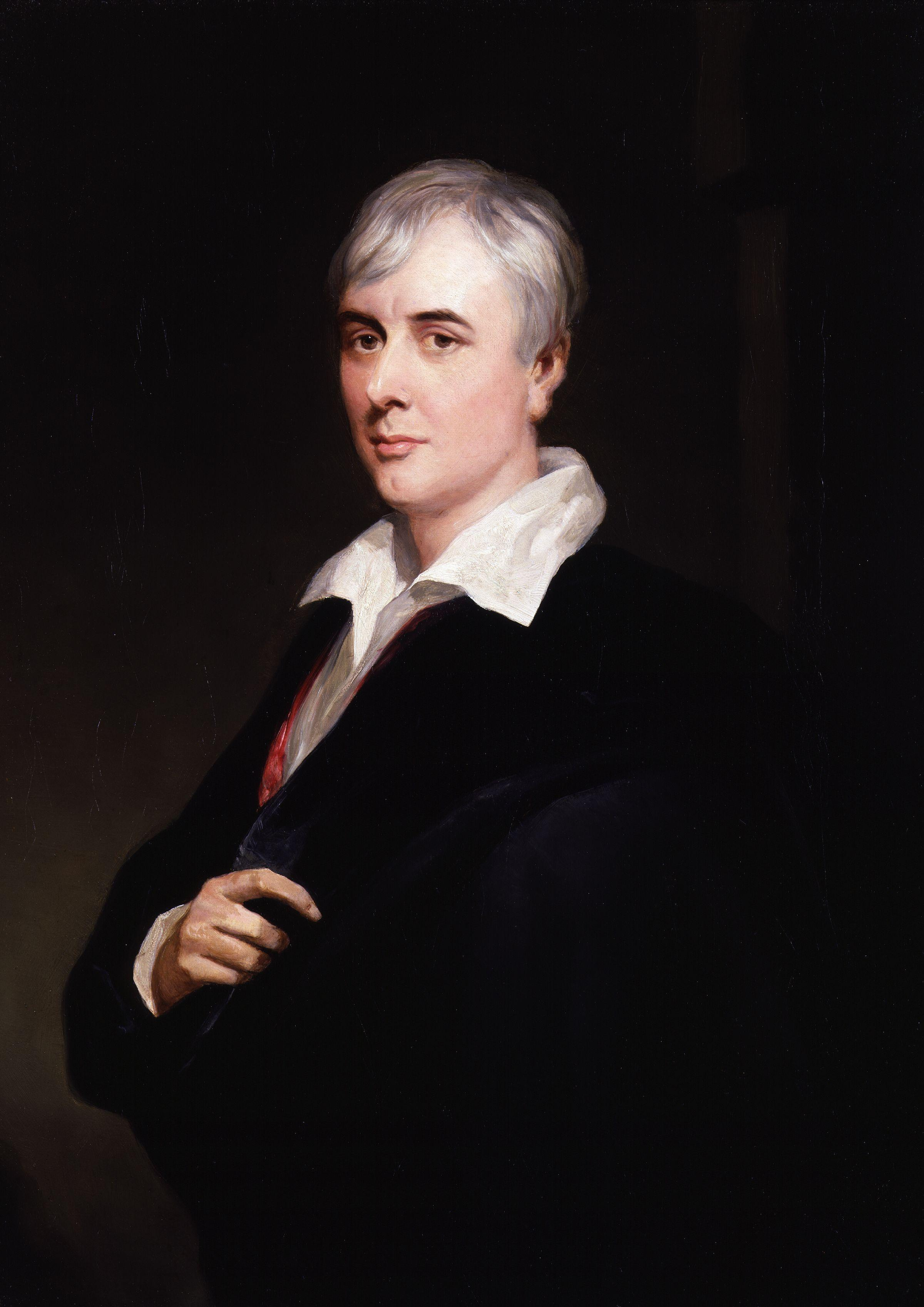
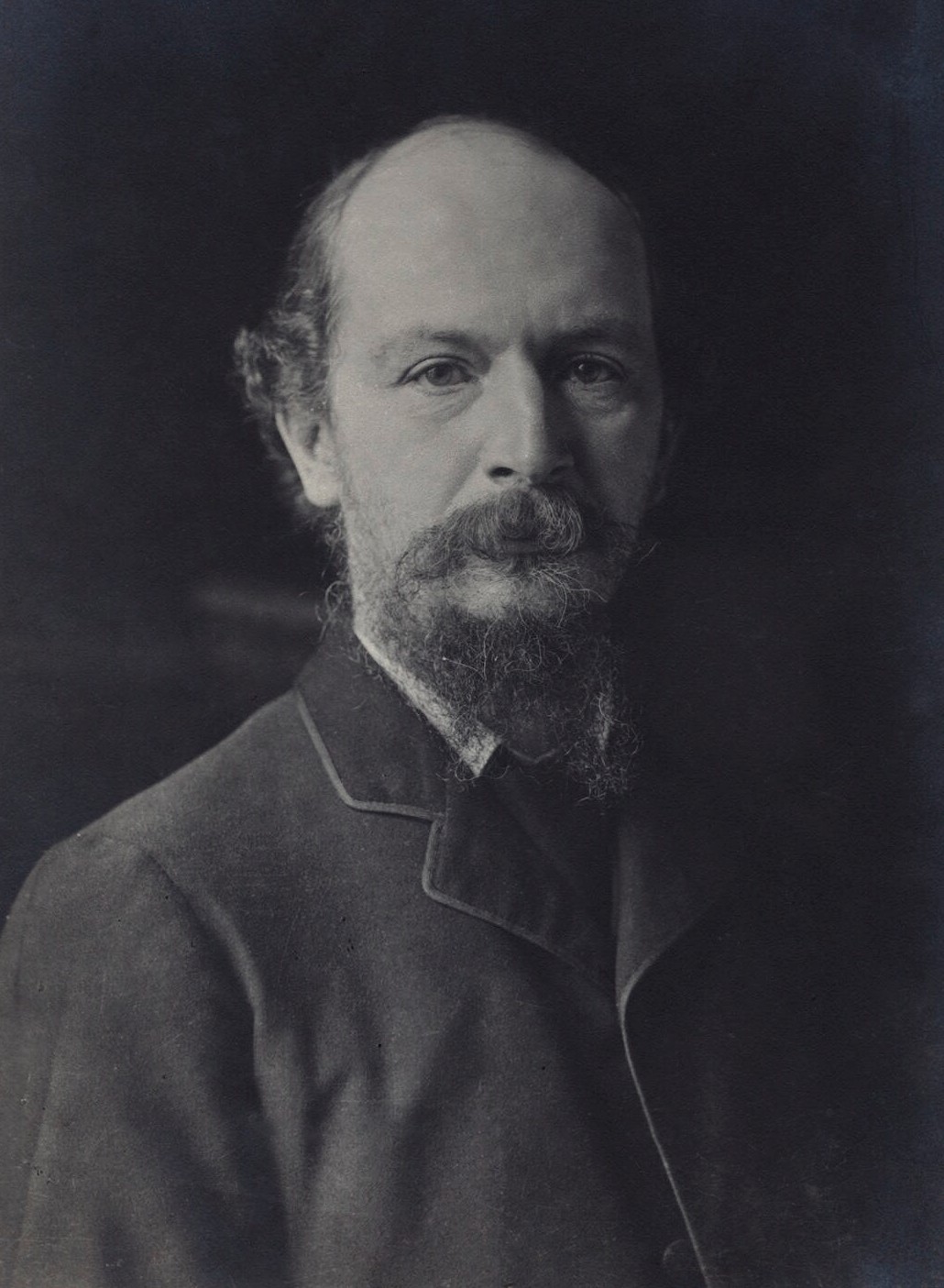
Edward Young was an English poet renowned for his philosophical work, particularly his influential poem, Night-Thoughts. Written in blank verse, this series of meditations emerged from Young's personal experiences with grief and loss, reflecting his contemplative state following the deaths of loved ones. Night-Thoughts gained immense popularity during the 18th century, resonating with readers and inspiring notable figures such as Goethe and Edmund Burke. The poem's themes of mortality and existential reflection were further immortalized at the century's end through illustrations by William Blake, highlighting its lasting impact on literature and art. In addition to his poetic endeavors, Young took holy orders and sought ecclesiastical preferment, a pursuit that led to accusations of insincerity due to his numerous letters appealing for advancement. Despite this, his literary contributions, particularly in the realm of philosophical poetry, secured his place in the canon of English literature. Young's exploration of human emotion and the nature of existence in Night-Thoughts continues to be recognized for its depth and influence, marking him as a significant figure in the transition from the metaphysical poets to the more modern sensibilities of the Romantic era.
Famous Quotes
View all 2 quotes“sight of a lone submarine on the surface, even when air protection was supposedly in force for its benefit, was”
“short and stocky, with fair hair, a ruddy complexion and”
Books from the author

Link to this page
Add a free, dofollow link to Lex on your blog, forum, syllabus, or reading list.

<a href="https://lex-books.com/author/edward-young"><img src="https://lex-books.com/badges/read-on-lex.svg" alt="Edward Young on Lex" width="160" height="40"></a>[](https://lex-books.com/author/edward-young)[url=https://lex-books.com/author/edward-young][img]https://lex-books.com/badges/read-on-lex.svg[/img][/url]Edward Young on Lex: https://lex-books.com/author/edward-young