
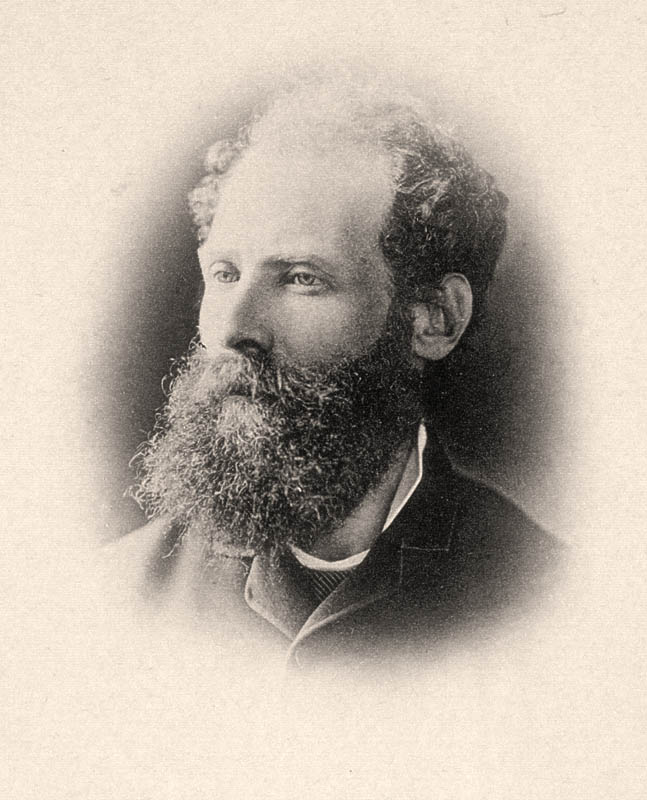
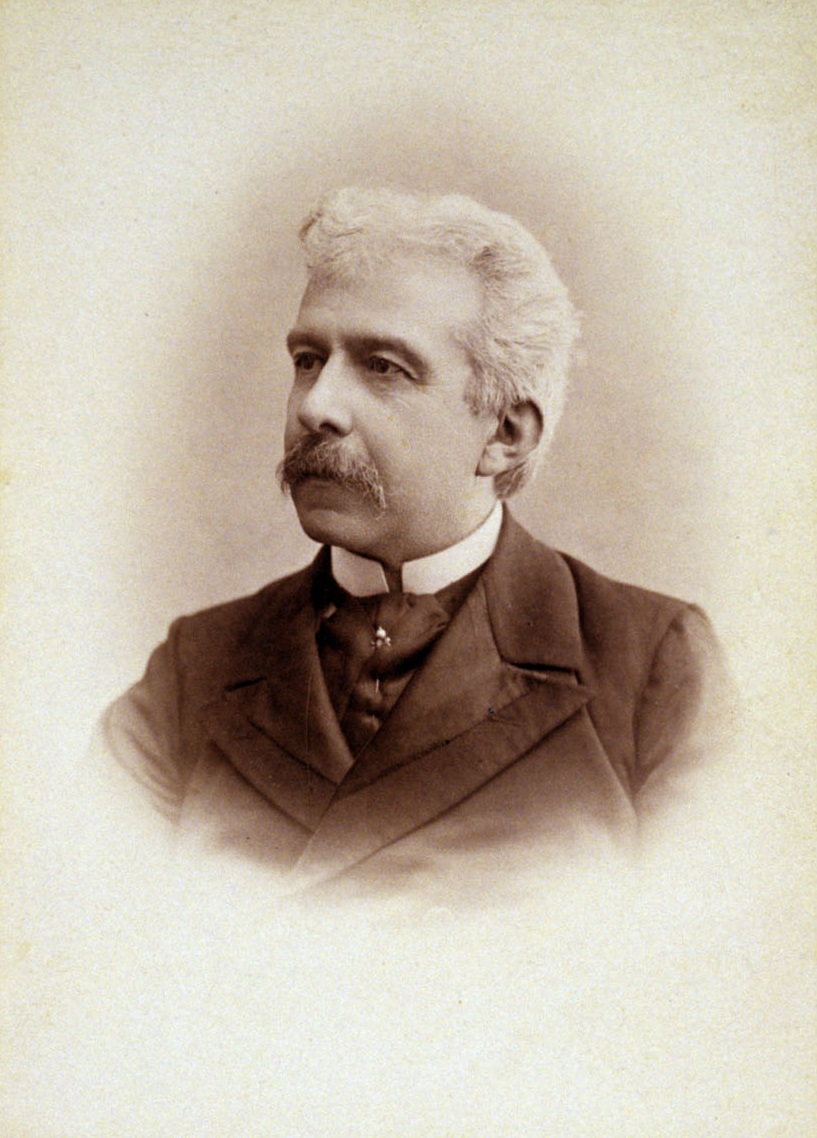
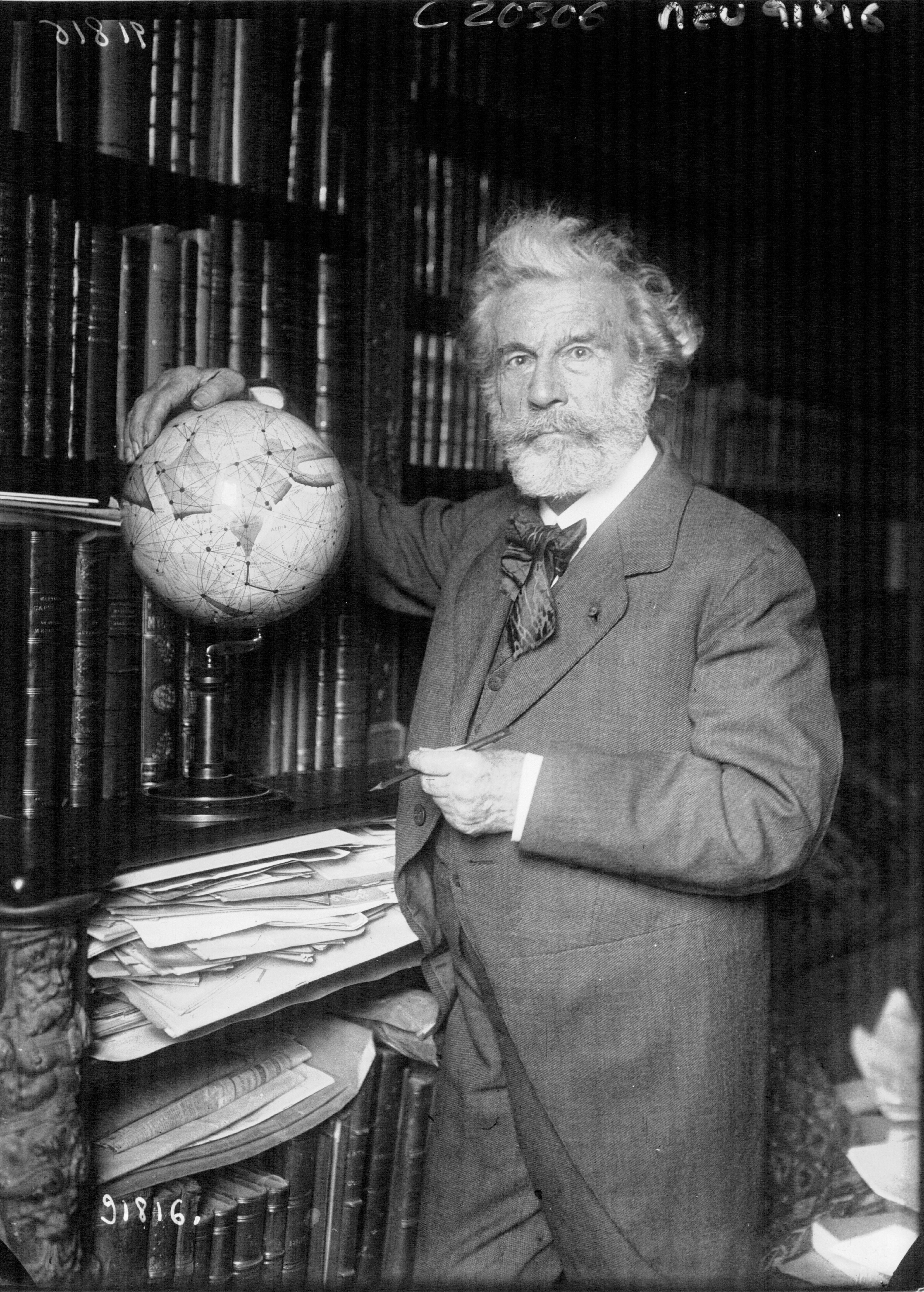
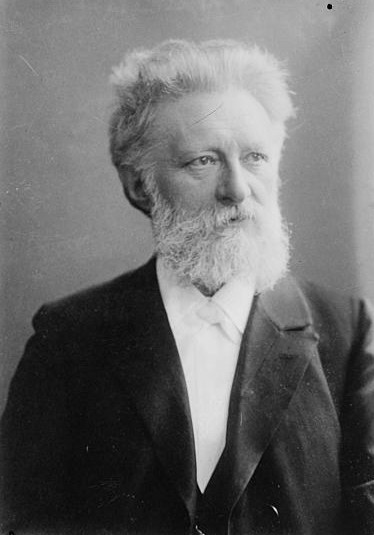
Eduard von Hartmann
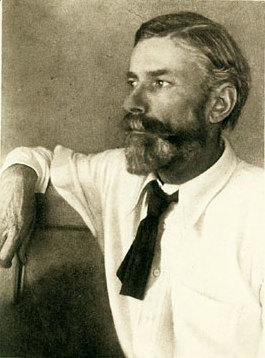
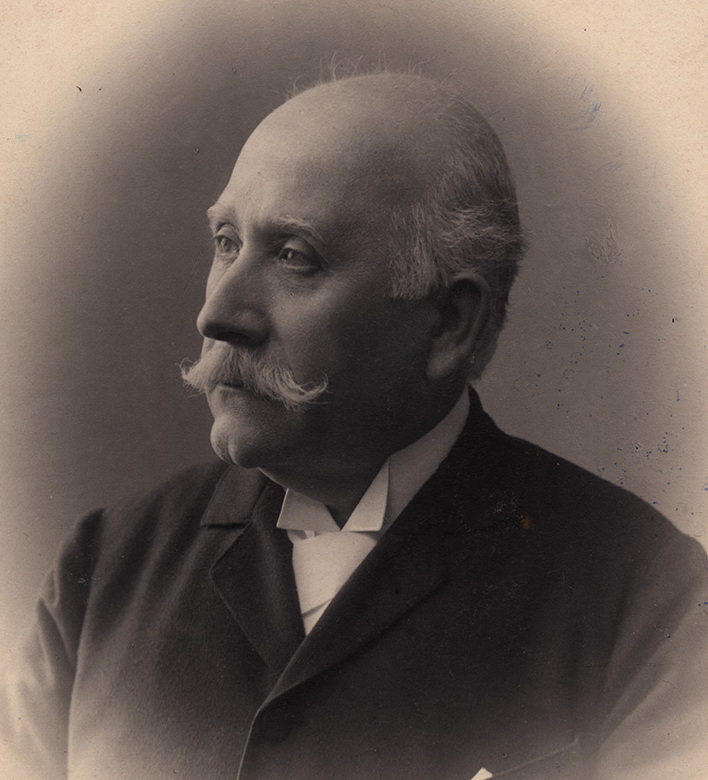
Eduard von Hartmann was a prominent German philosopher and independent scholar known for his significant contributions to the field of metaphysics. His most influential work, 'Philosophy of the Unconscious' (1869), introduced the theory of the unconscious, which posited that much of human behavior and thought is governed by unconscious processes. This idea predated and arguably laid the groundwork for later psychological theories, including those of Sigmund Freud. Von Hartmann's philosophy also encompassed a pessimistic interpretation of the notion of the 'best of all possible worlds,' challenging the optimistic views held by contemporaries like Gottfried Wilhelm Leibniz. Throughout his career, von Hartmann engaged with various philosophical traditions, synthesizing ideas from German idealism and romanticism. His work not only influenced philosophical discourse but also had implications for psychology and the emerging field of psychoanalysis. Despite being less well-known today, his exploration of the unconscious and critique of optimistic metaphysics marked him as a significant figure in 19th-century philosophy, contributing to the broader discussions on human existence and the nature of reality. His legacy endures in the ongoing exploration of the unconscious mind and its impact on human behavior.
Famous Quotes
View all 4 quotes“Man's only hope lies in "final redemption from the misery of volition and existence into the painlessness of non-being and non-willing." No mortal may quit the task of life, but each must do his part to hasten the time when in the major portion of the human race the activity of the unconscious shall be ruled by intelligence, and this stage reached, in the simultaneous action of many persons volition will resolve upon its own non-continuance, and thus idea and will be once more reunited in the Absolute.””
“Men are secretly inclined to distrust their own understandings, as well as obstinately to stand by opinions once adopted. It is therefore exceedingly difficult to convince any person by deduction, because he always distrusts the method, even when he has no specific objection to raise; whereas in induction he needs think less strenuously and exactly, but can, as it were, touch the truth by sight and direct perception.””
“Let one consider, further, that the foolish vanity of man goes so far as to prefer to seem rather than to be not merely well but also happy, so that every one carefully hides where the shoe pinches, and tries to make a show of opulence, contentment, and happiness which he does not at all possess.””
Books from the author

Link to this page
Add a free, dofollow link to Lex on your blog, forum, syllabus, or reading list.

<a href="https://lex-books.com/author/eduard-von-hartmann"><img src="https://lex-books.com/badges/read-on-lex.svg" alt="Eduard von Hartmann on Lex" width="160" height="40"></a>[](https://lex-books.com/author/eduard-von-hartmann)[url=https://lex-books.com/author/eduard-von-hartmann][img]https://lex-books.com/badges/read-on-lex.svg[/img][/url]Eduard von Hartmann on Lex: https://lex-books.com/author/eduard-von-hartmann