
Edmund Waller
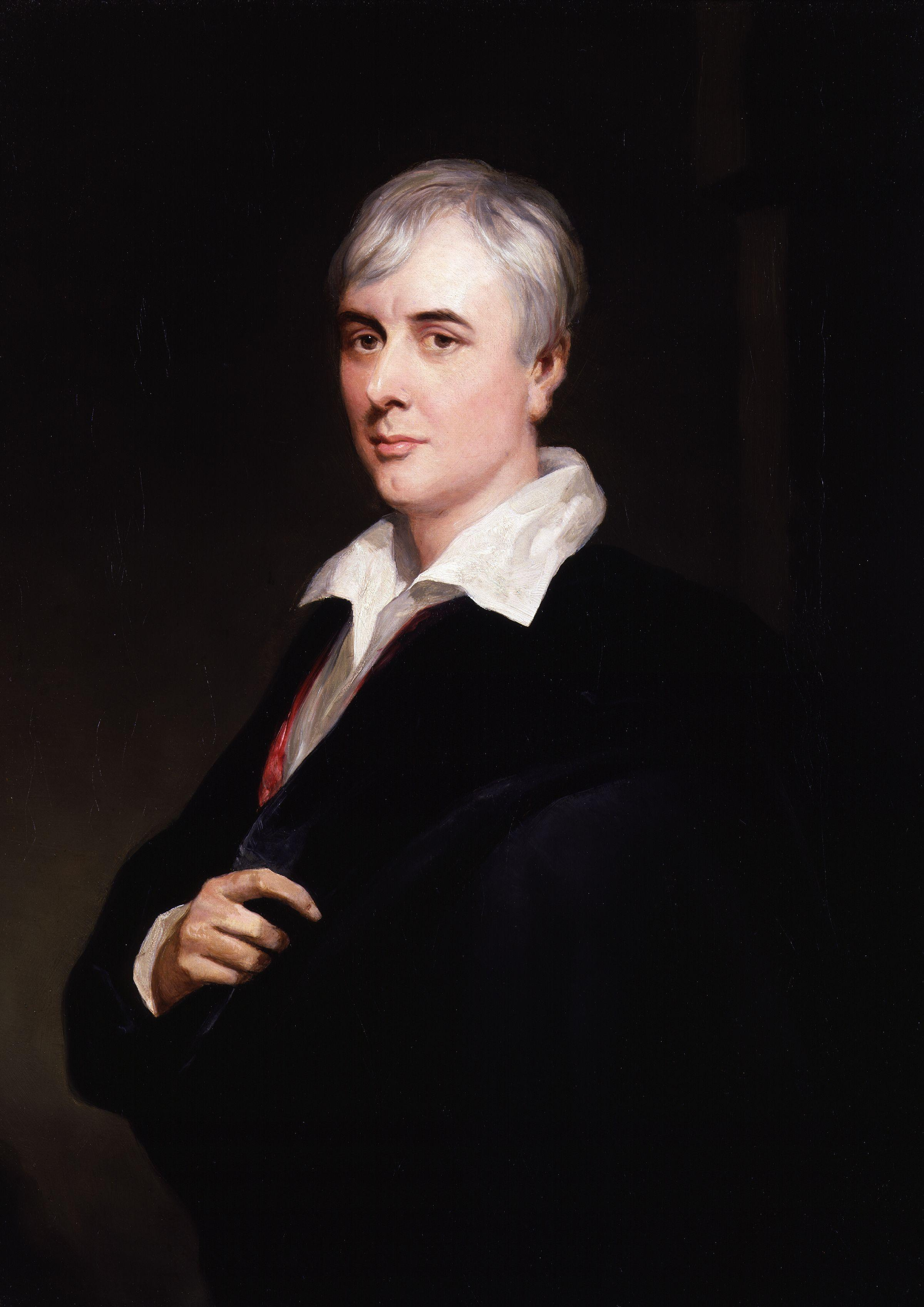
Edmund Waller was a notable poet and politician from Buckinghamshire, recognized for his contributions to English poetry during the 17th century. He began his political career as a Member of Parliament in 1624, serving various constituencies and becoming one of the longest-serving members of the English House of Commons. Waller's political alignment was Royalist, which led to his involvement in controversial events during the English Civil War, including an accusation of plotting to seize London for Charles I. After a brief period of banishment in France and Switzerland, he returned to England in 1651 and resumed his political career following the Restoration of the monarchy in 1660, ultimately retiring from active politics in 1677. Waller's literary output includes notable works such as "Upon the Death of Sir John Suckling" and "The Battle of the Summer Islands," which showcase his mastery of the heroic couplet and his innovative use of language. His poetry was celebrated by his contemporaries for its elegance and wit, and he played a significant role in the development of the English lyrical tradition. Despite his initial acclaim, Waller's reputation waned after his death, and he is now less frequently read. Nevertheless, his influence on later poets and his contributions to the evolution of poetic form remain significant in the history of English literature.
Famous Quotes
View all 3 quotes“The soul's dark cottage, batter'd and decayed, Lets in new light, thro' chinks that time hath made.”
“How small a part of time they share, That are so wondrous sweet and fair!”
“Poets may boast [as safely-Vain] Their work shall with the world remain; Both bound together, live, or die, The Verses and the Prophecy. But who can hope his Lines should long Last in a daily-changing Tongue? While they are new, Envy prevails, And as that dies, our Language fails. When Architects have done their part, The Matter may betray their Art; Time, if we use ill-chosen Stone, Soon brings a well-built Palace down. Poets that lasting Marble seek, Must carve in Latine or in Greek; We write in Sand; our Language grows, And like the Tide our work o'reflows. Chaucer his Sense can only boast, The glory of his Numbers lost, Years have defac'd his matchless strain; And yet he did not sing in vain; The Beauties which adorn'd that Age, The shining Subjects of his Rage, Hoping they should Immortal prove, Rewarded with success his Love. This was the generous Poet's scope, And all an English pen can hope To make the Fair approve his Flame, That can so far extend their Fame. Verse thus design'd has no ill Fate, If it arrive but at the Date Of fading Beauty, if it prove But as long-liv'd as present Love.”
Books from the author



Link to this page
Add a free, dofollow link to Lex on your blog, forum, syllabus, or reading list.

<a href="https://lex-books.com/author/edmund-waller"><img src="https://lex-books.com/badges/read-on-lex.svg" alt="Edmund Waller on Lex" width="160" height="40"></a>[](https://lex-books.com/author/edmund-waller)[url=https://lex-books.com/author/edmund-waller][img]https://lex-books.com/badges/read-on-lex.svg[/img][/url]Edmund Waller on Lex: https://lex-books.com/author/edmund-waller