
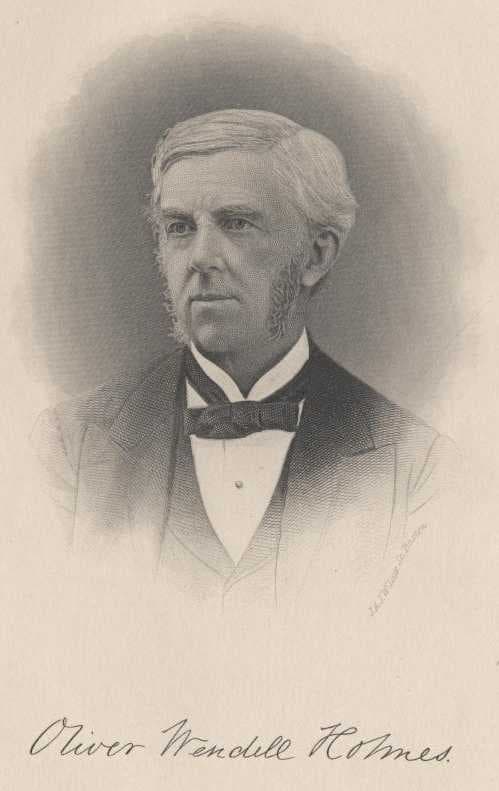
Oliver Wendell Holmes
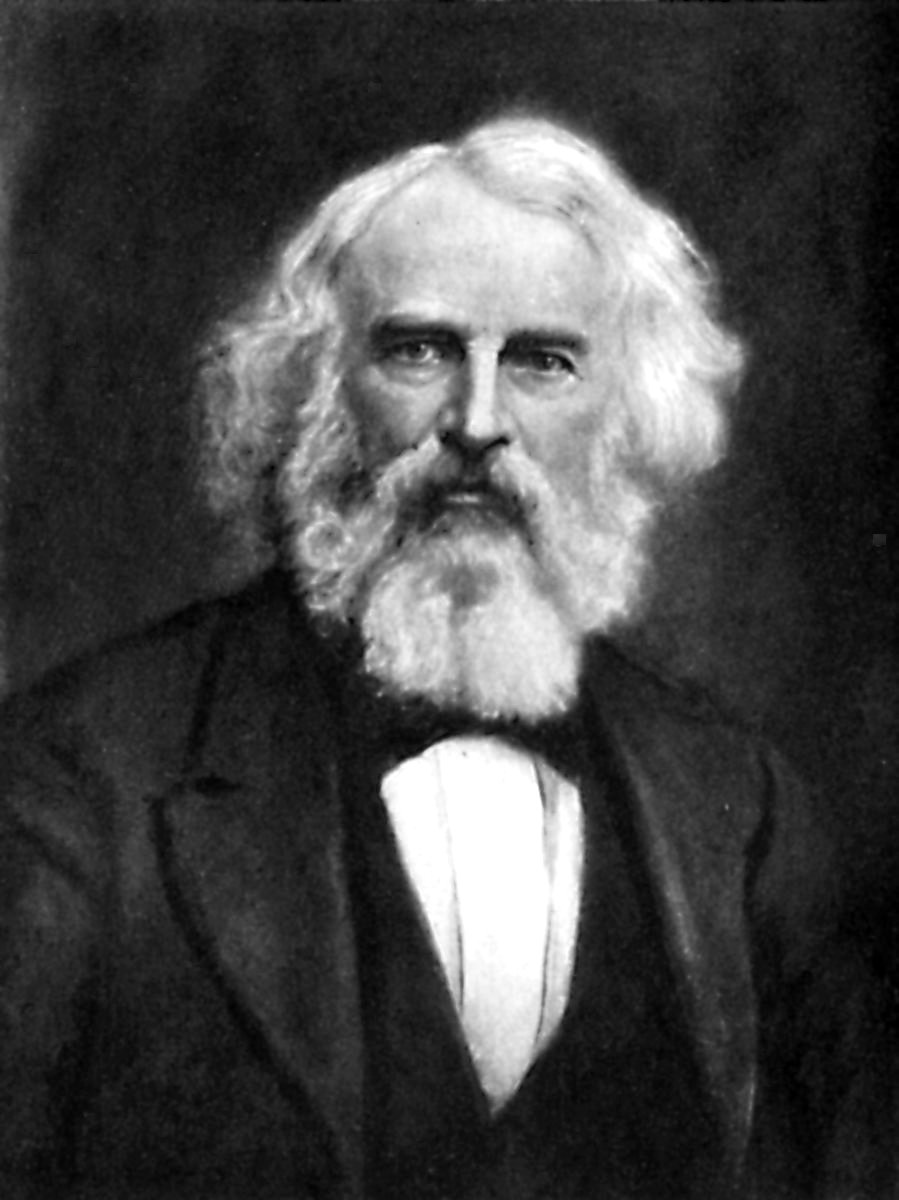
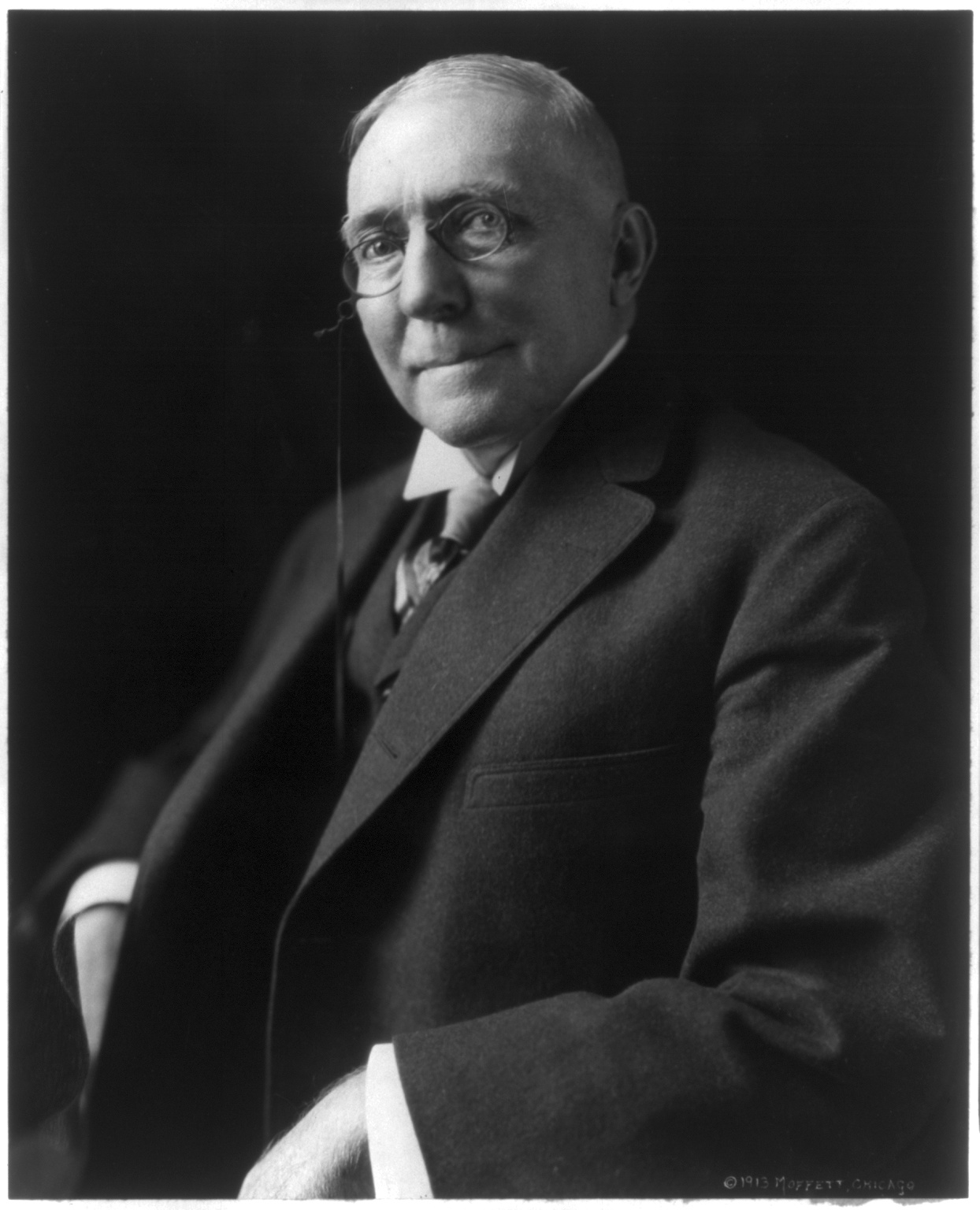
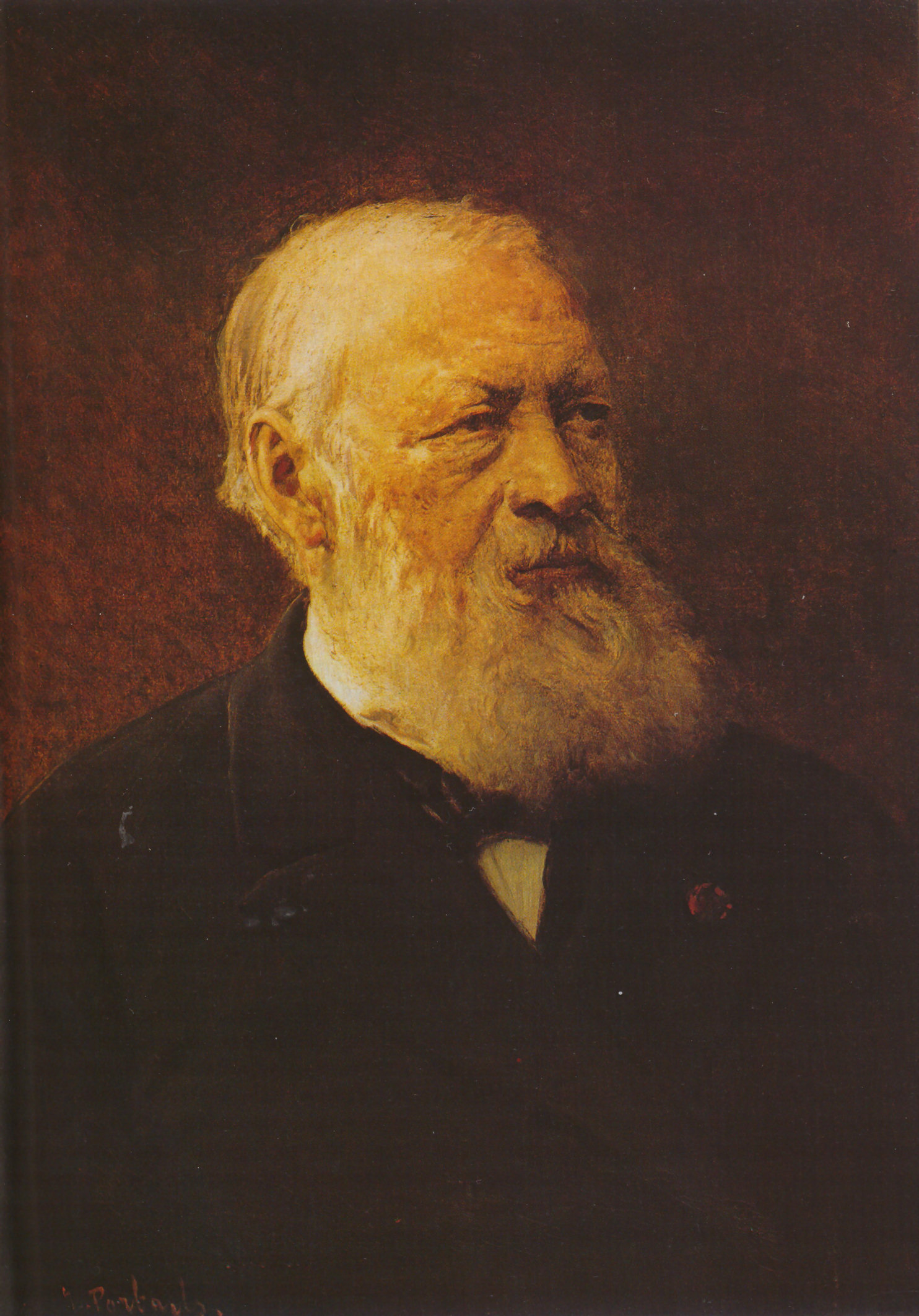
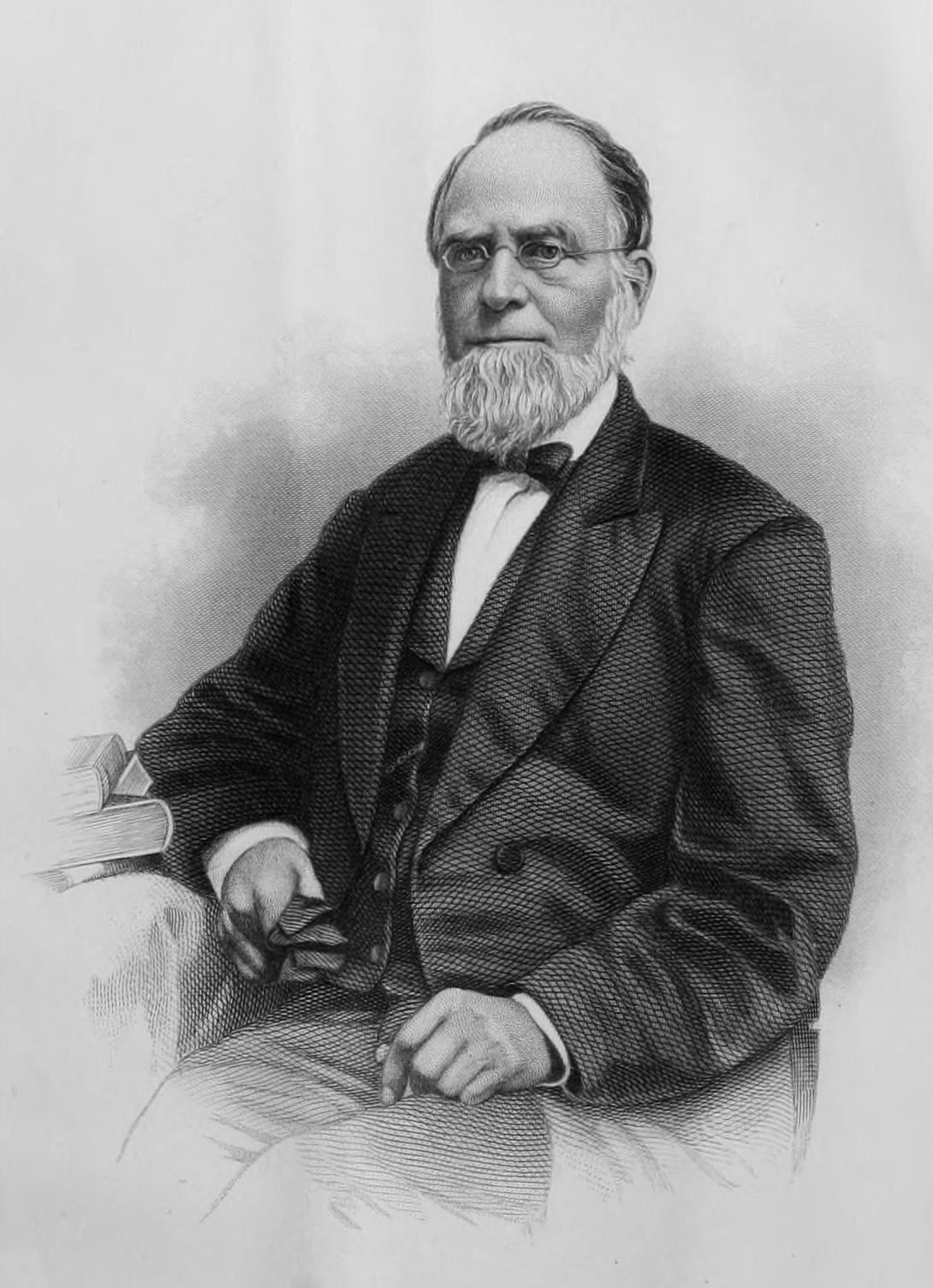
Oliver Wendell Holmes Sr. was an influential American physician, poet, and polymath, renowned for his contributions to literature and medicine in the 19th century. A prominent figure among the Fireside Poets, he was celebrated for his accessible verse that often explored themes of American life and culture. His notable works include the poem "The Chambered Nautilus," which reflects his belief in personal growth and the pursuit of knowledge, and the essay collection "The Autocrat of the Breakfast-Table," which showcased his wit and philosophical musings on society and human nature. Holmes's ability to blend humor with serious reflection made his writing both engaging and thought-provoking. In addition to his literary achievements, Holmes made significant contributions to the field of medicine, serving as a professor at Harvard Medical School and advocating for public health reforms. His insights into the importance of cleanliness in hospitals helped to shape modern medical practices. Holmes's legacy extends beyond his poetry and essays; he was a key figure in the intellectual life of his time, influencing contemporaries and later generations of writers and thinkers. His work not only enriched American literature but also left an indelible mark on the medical community, establishing him as a multifaceted figure whose impact was felt across various domains.
Famous Quotes
View all 20 quotes“A man's mind is stretched by a new idea or sensation, and never shrinks back to its former dimensions.””
“Every now and then a man's mind is stretched by a new idea or sensation, and never shrinks back to its former dimensions.””
“What refuge is there for the victim who is oppressed with the feeling that there are a thousand new books he ought to read, while life is only long enough for him to attempt to read a hundred?””
Books from the author




Link to this page
Add a free, dofollow link to Lex on your blog, forum, syllabus, or reading list.

<a href="https://lex-books.com/author/oliver-wendell-holmes"><img src="https://lex-books.com/badges/read-on-lex.svg" alt="Oliver Wendell Holmes on Lex" width="160" height="40"></a>[](https://lex-books.com/author/oliver-wendell-holmes)[url=https://lex-books.com/author/oliver-wendell-holmes][img]https://lex-books.com/badges/read-on-lex.svg[/img][/url]Oliver Wendell Holmes on Lex: https://lex-books.com/author/oliver-wendell-holmes