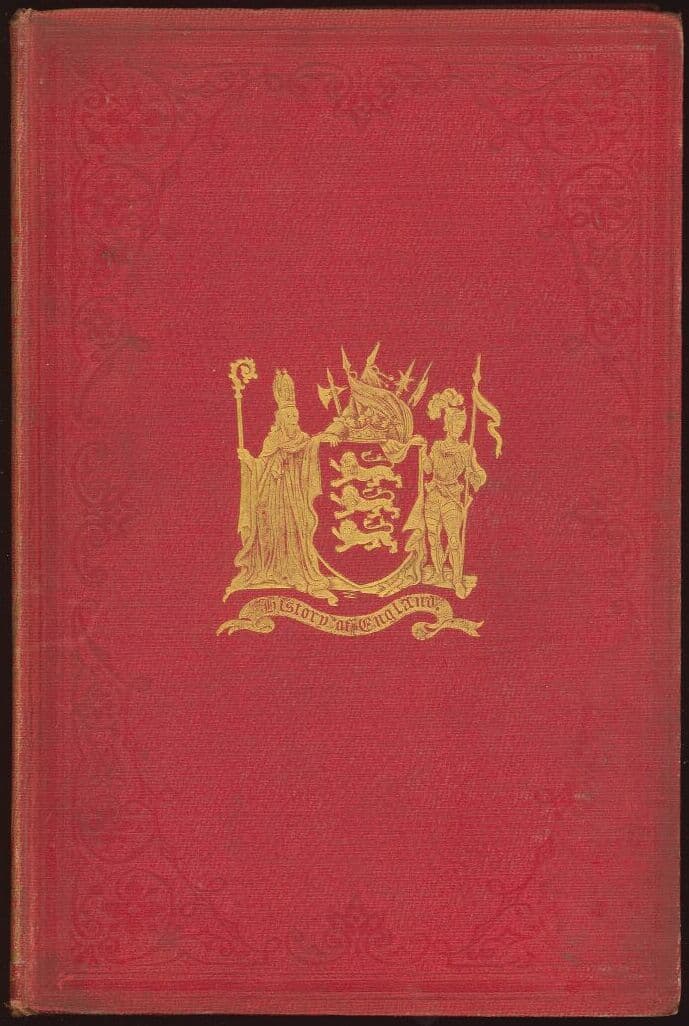
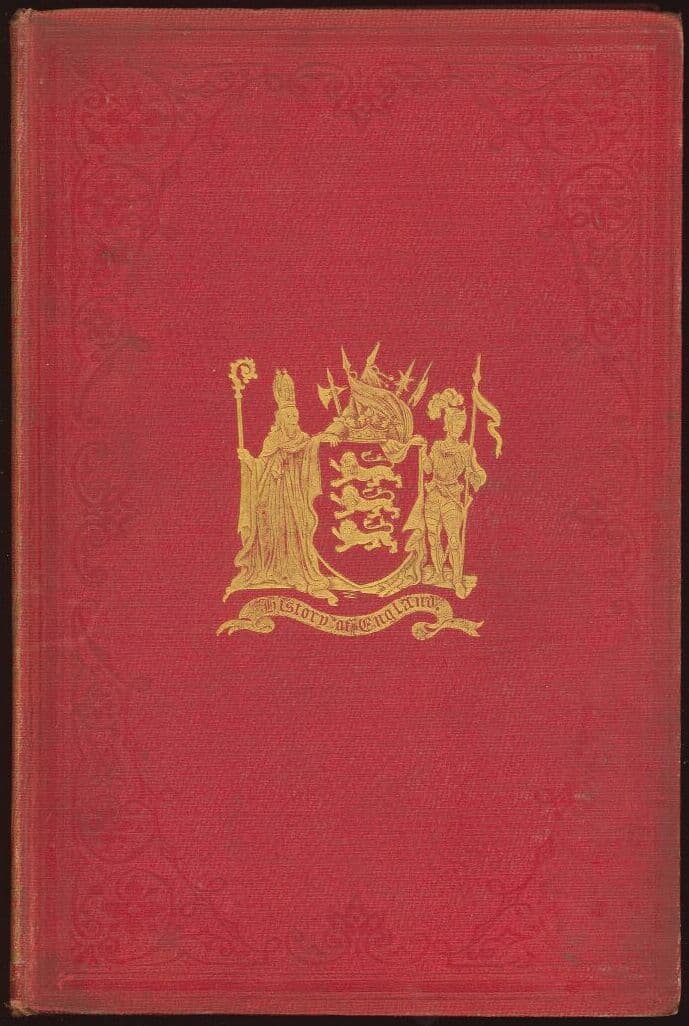
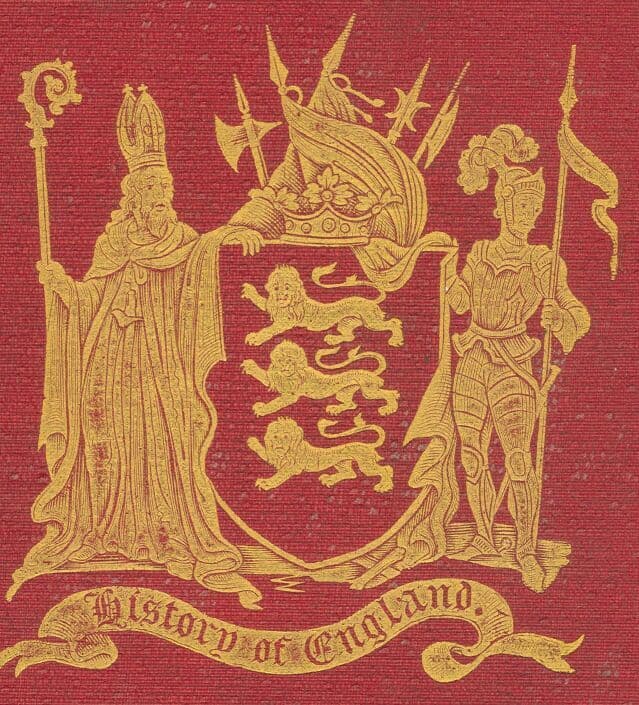
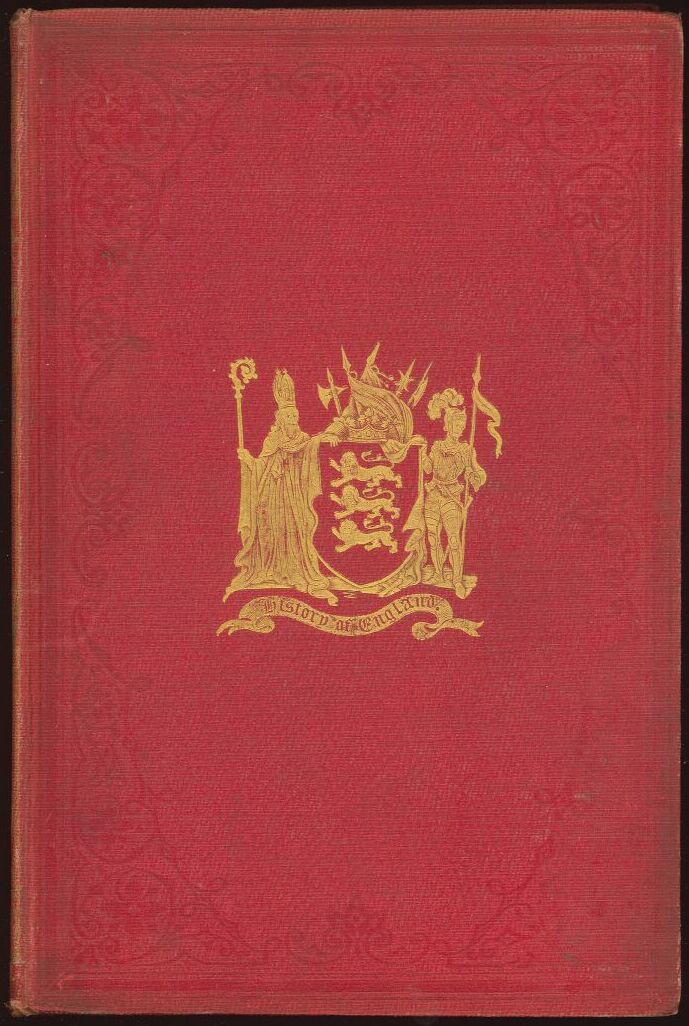
The History of England in Three Volumes, Vol. I., Part A.: From the Britons of Early Times to King John
1483
The History of England in Three Volumes, Vol. I., Part A.: From the Britons of Early Times to King John
1483
David Hume brings the piercing rationalism that made him a philosopher of enduring reputation to this sprawling history of England. Written in the mid-18th century, this volume traces the arc of a nation from the Britons who greeted Julius Caesar's legions to the turbulent reign of King John. Hume was no dry chronicler. Heanimates the tribal societies of early Britain, the iron grip of Roman occupation, and the Germanic invasions that reshaped the island's character, all while probing the political and military forces that would forge the English nation. His voice is authoritative, philosophical, and sometimes deliberately provocative, offering judgments on kings and conquerors that still spark debate. This is history as literature: ambitious, opinionated, and written by a man who believed that understanding the past was essential to understanding ourselves. For readers willing to meet Hume on his own terms, the reward is a portrait of a nation's birth in all its violence, cunning, and surprising contingency.
Editions

X-Ray
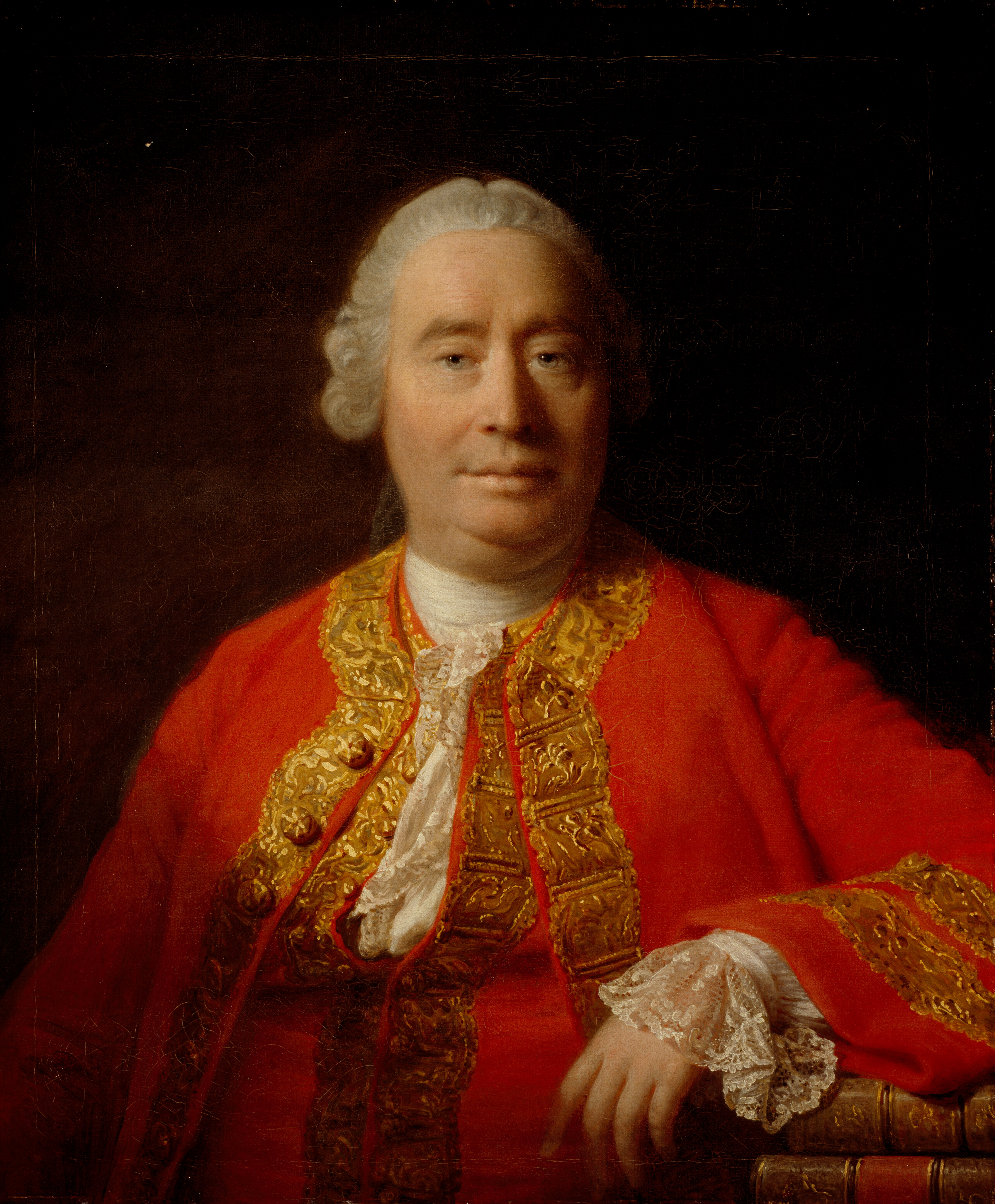
The historian and author of this work, a Scottish philosopher who wrote this comprehensive history of England. He describes himself as having a mild disposition and being devoted to literary pursuits.
Roman general who first invaded Britain in 55 BC. He made two expeditions to Britain but did not establish permanent conquest.
British prince who united the Britons against Caesar's invasion. He led the resistance but was ultimately defeated and forced to submit.
Queen of the Iceni who led a major rebellion against Roman rule. She destroyed London and massacred thousands of Romans before being defeated.
About The History of England in Three Volumes, Vol. I., Part A.: From the Britons of Early Times to King John
Chapter Summaries
- Life of David Hume
- Hume's autobiography describing his birth in Edinburgh, education, literary career, and philosophical works. He reflects on his disappointments and eventual success, concluding with his approach to death with equanimity.
- 1
- Describes ancient Britain before Roman conquest, including Celtic culture, druidical religion, and the invasions of Julius Caesar. Caesar made two expeditions but did not establish permanent conquest.
- 1 continued
- The Roman conquest under Claudius and subsequent governors, including the rebellion of Boadicea and the campaigns of Agricola. Roman rule brought civilization but also oppression to Britain.
Key Themes
- The Cycle of Conquest
- Hume shows how Britain was repeatedly conquered by different peoples - Romans, Saxons, Danes - each bringing their own culture and institutions. Each conquest follows similar patterns of initial resistance, gradual assimilation, and eventual integration.
- The Role of Religion in Politics
- Christianity's introduction transforms British society, but Hume critically examines how religious authority often corrupts political power. The monks' manipulation of kings like Edgar and their persecution of Edwy illustrate religion's potential for tyranny.
- Barbarism versus Civilization
- Hume traces England's gradual emergence from barbarism to civilization, showing how each wave of invaders eventually adopts more refined customs. Alfred represents the pinnacle of this development, combining military prowess with learning and just governance.
Characters
- David Hume(major)
- The historian and author of this work, a Scottish philosopher who wrote this comprehensive history of England. He describes himself as having a mild disposition and being devoted to literary pursuits.
- Julius Caesar(major)
- Roman general who first invaded Britain in 55 BC. He made two expeditions to Britain but did not establish permanent conquest.
- Cassivelaunus(major)
- British prince who united the Britons against Caesar's invasion. He led the resistance but was ultimately defeated and forced to submit.
- Boadicea(major)
- Queen of the Iceni who led a major rebellion against Roman rule. She destroyed London and massacred thousands of Romans before being defeated.
- Suetonius Paulinus(major)
- Roman general who conquered the island of Mona and later defeated Boadicea's rebellion. He was known for his military prowess but also his severity.
- Hengist(major)
- Saxon leader who first arrived in Britain around 449 AD as a mercenary but later conquered Kent. He established the first Saxon kingdom in Britain.
Link to this book
Add a free, dofollow link to Lex on your blog, forum, syllabus, or reading list.

<a href="https://lex-books.com/book/the-history-of-england-in-three-volumes-vol-i-part-a-from-the-britons-of-early-t-c0d447d7-99ad-4932-8ec0-d7462f3920dd"><img src="https://lex-books.com/badges/read-on-lex.svg" alt="Read The History of England in Three Volumes, Vol. I., Part A.: From the Britons of Early Times to King John by David Hume free on Lex" width="160" height="40"></a>[](https://lex-books.com/book/the-history-of-england-in-three-volumes-vol-i-part-a-from-the-britons-of-early-t-c0d447d7-99ad-4932-8ec0-d7462f3920dd)[url=https://lex-books.com/book/the-history-of-england-in-three-volumes-vol-i-part-a-from-the-britons-of-early-t-c0d447d7-99ad-4932-8ec0-d7462f3920dd][img]https://lex-books.com/badges/read-on-lex.svg[/img][/url]Read The History of England in Three Volumes, Vol. I., Part A.: From the Britons of Early Times to King John by David Hume free on Lex: https://lex-books.com/book/the-history-of-england-in-three-volumes-vol-i-part-a-from-the-britons-of-early-t-c0d447d7-99ad-4932-8ec0-d7462f3920ddCite this book
Reading this edition for a paper or guide? Copy a citation.
Hume, David. The History of England in Three Volumes, Vol. I., Part A.: From the Britons of Early Times to King John. Lex, lex-books.com/book/the-history-of-england-in-three-volumes-vol-i-part-a-from-the-britons-of-early-t-c0d447d7-99ad-4932-8ec0-d7462f3920dd.Hume, D. (1483). The History of England in Three Volumes, Vol. I., Part A.: From the Britons of Early Times to King John. Lex. https://lex-books.com/book/the-history-of-england-in-three-volumes-vol-i-part-a-from-the-britons-of-early-t-c0d447d7-99ad-4932-8ec0-d7462f3920ddHume, David. The History of England in Three Volumes, Vol. I., Part A.: From the Britons of Early Times to King John. Lex. https://lex-books.com/book/the-history-of-england-in-three-volumes-vol-i-part-a-from-the-britons-of-early-t-c0d447d7-99ad-4932-8ec0-d7462f3920dd.