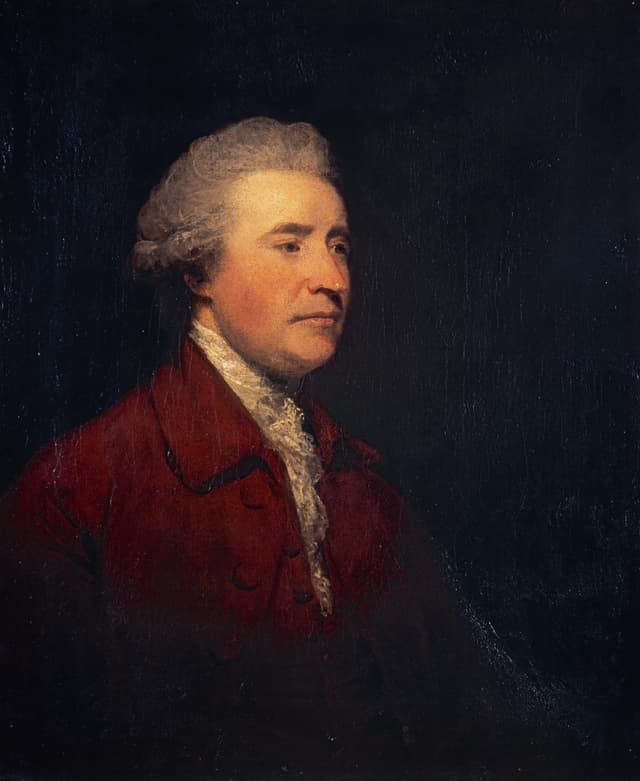
Edmund Burke
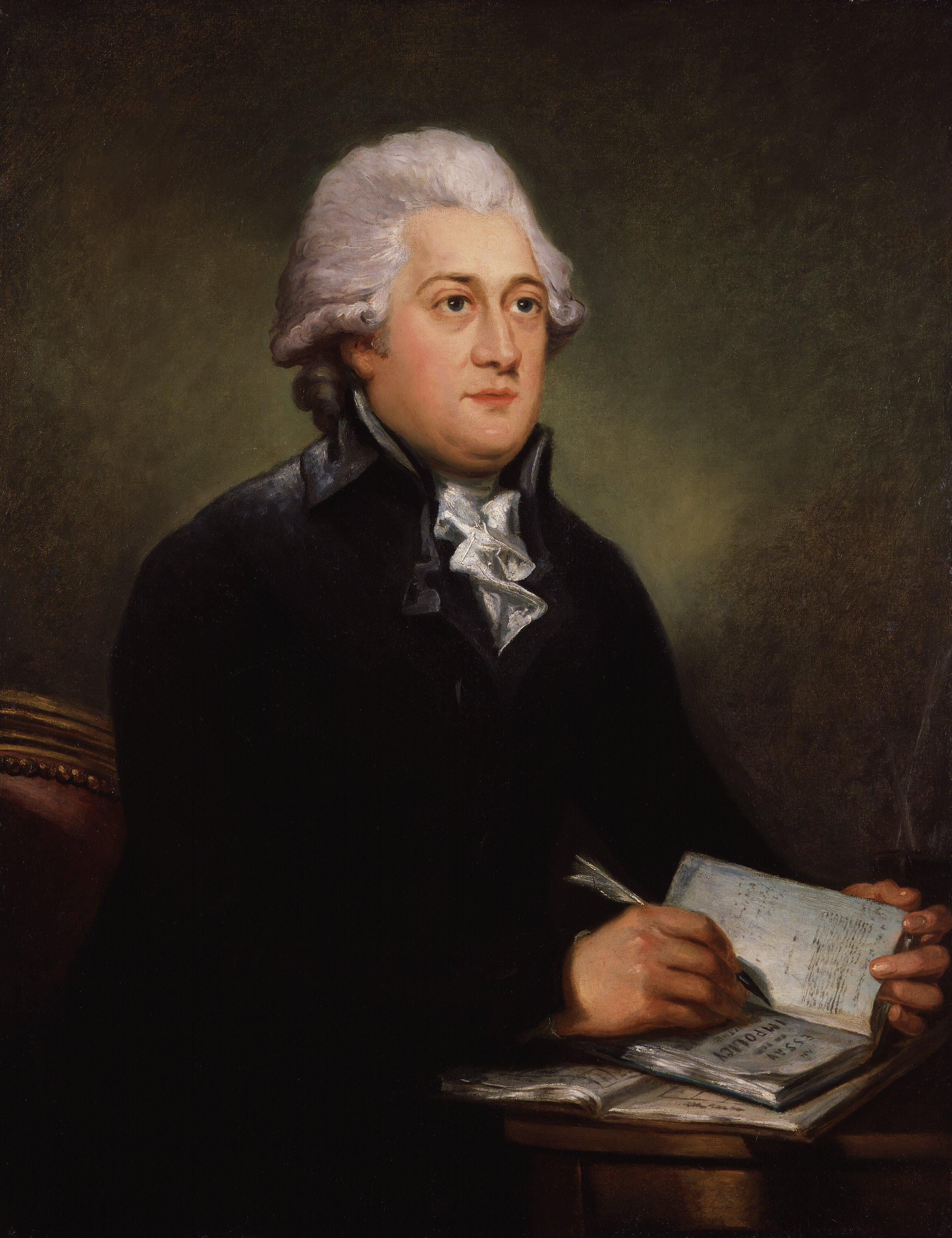
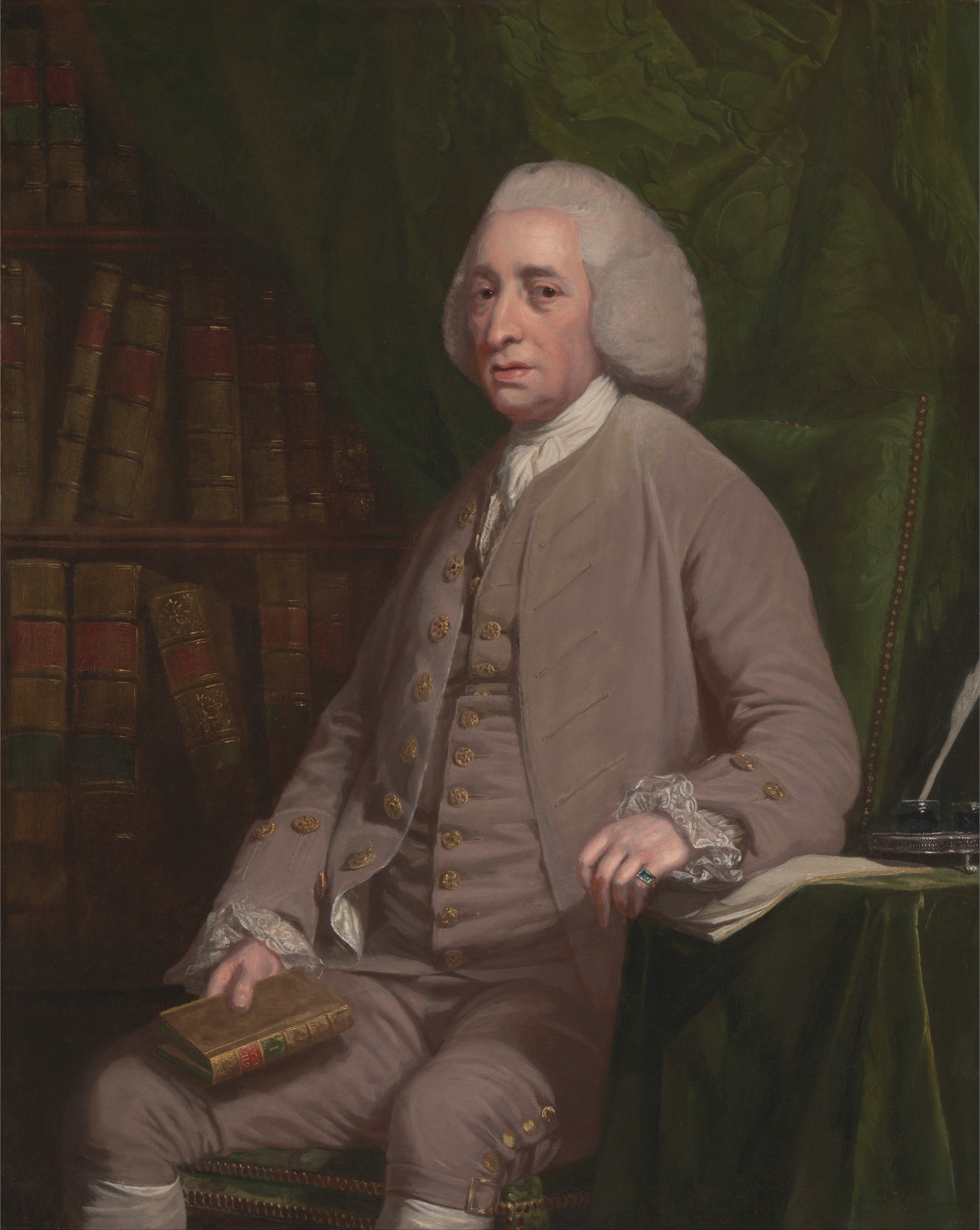
Edmund Burke was an Anglo-Irish politician and philosopher, widely recognized as the founder of modern conservatism. His career spanned much of the 18th century, during which he served as a member of Parliament for the Whig Party from 1766 to 1794. Burke's writings significantly influenced political thought in Britain and France, particularly in the wake of the French Revolution. He championed the idea that societal virtues should be supported by manners and emphasized the role of religious institutions in maintaining moral stability. His early work, A Vindication of Natural Society, satirized the notion of a purely rational society, while his Reflections on the Revolution in France condemned the upheaval as a threat to established social order and institutions. Burke's political philosophy was marked by a deep skepticism of radical change and a belief in the importance of tradition. He criticized British government policies towards the American colonies, advocating for their rights while opposing independence. His long-standing support for Catholic emancipation and his role in the impeachment of Warren Hastings further showcased his commitment to justice and moral governance. Burke's legacy endures in conservative political thought, where he remains a pivotal figure for his insights into the balance between liberty and authority, and the necessity of principled opposition in governance.
Famous Quotes
View all 20 quotes“The only thing necessary for the triumph of evil is for good men to do nothing.””
“Those who don't know history are doomed to repeat it.””
“Woman is not made to be the admiration of all, but the happiness of one.””
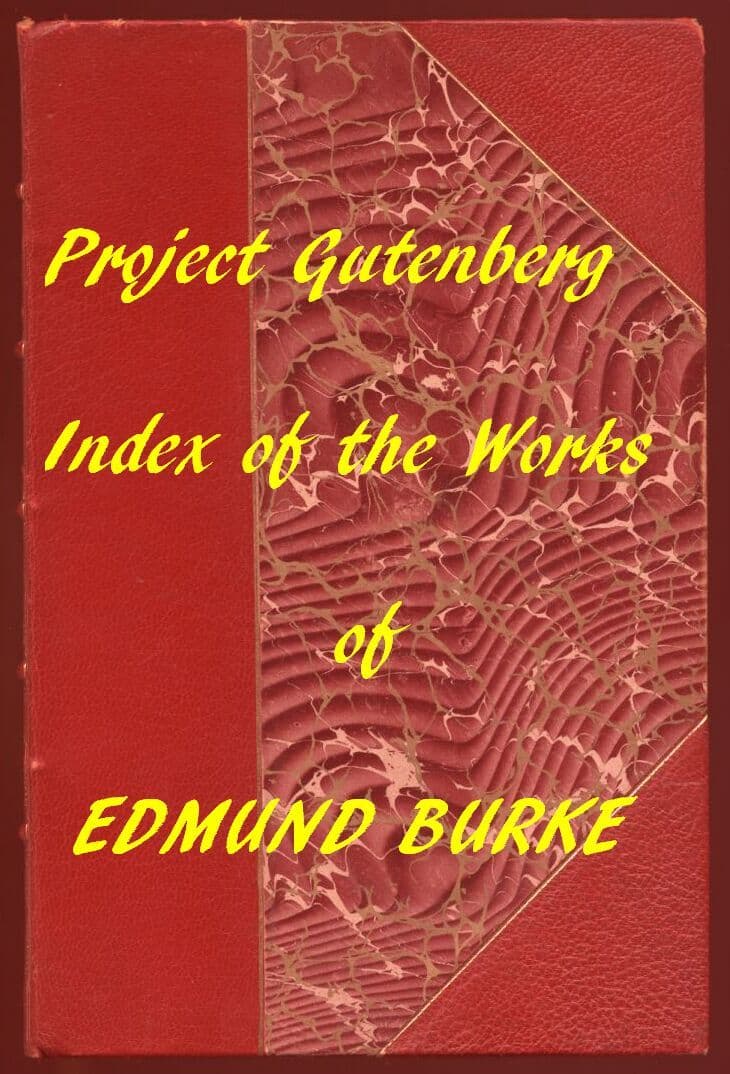
Books from the author

Link to this page
Add a free, dofollow link to Lex on your blog, forum, syllabus, or reading list.

<a href="https://lex-books.com/author/edmund-burke"><img src="https://lex-books.com/badges/read-on-lex.svg" alt="Edmund Burke on Lex" width="160" height="40"></a>[](https://lex-books.com/author/edmund-burke)[url=https://lex-books.com/author/edmund-burke][img]https://lex-books.com/badges/read-on-lex.svg[/img][/url]Edmund Burke on Lex: https://lex-books.com/author/edmund-burke