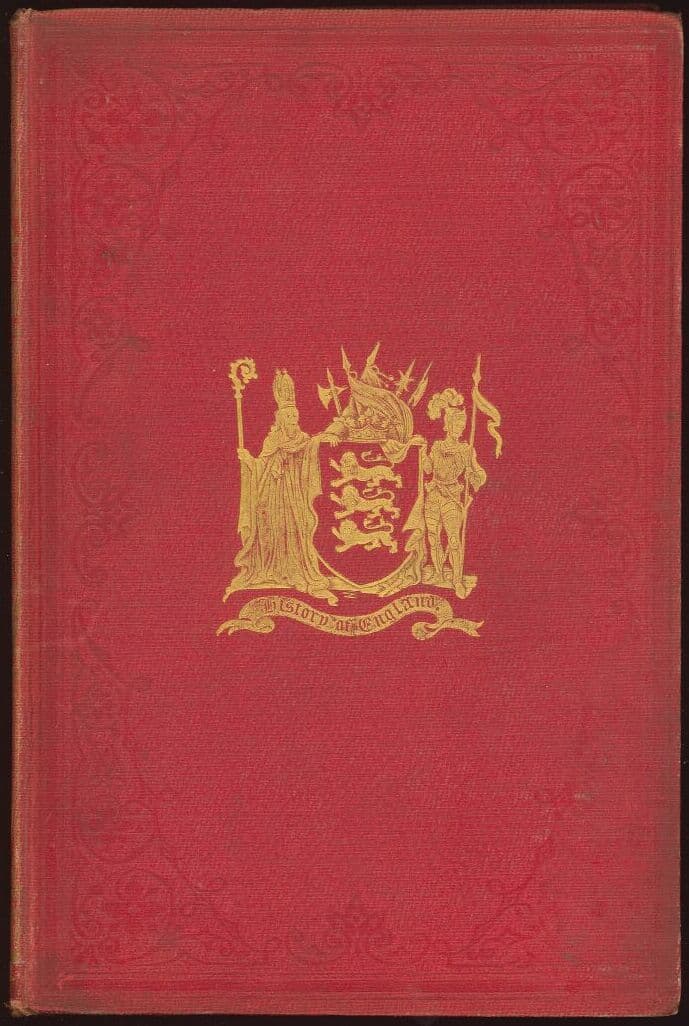
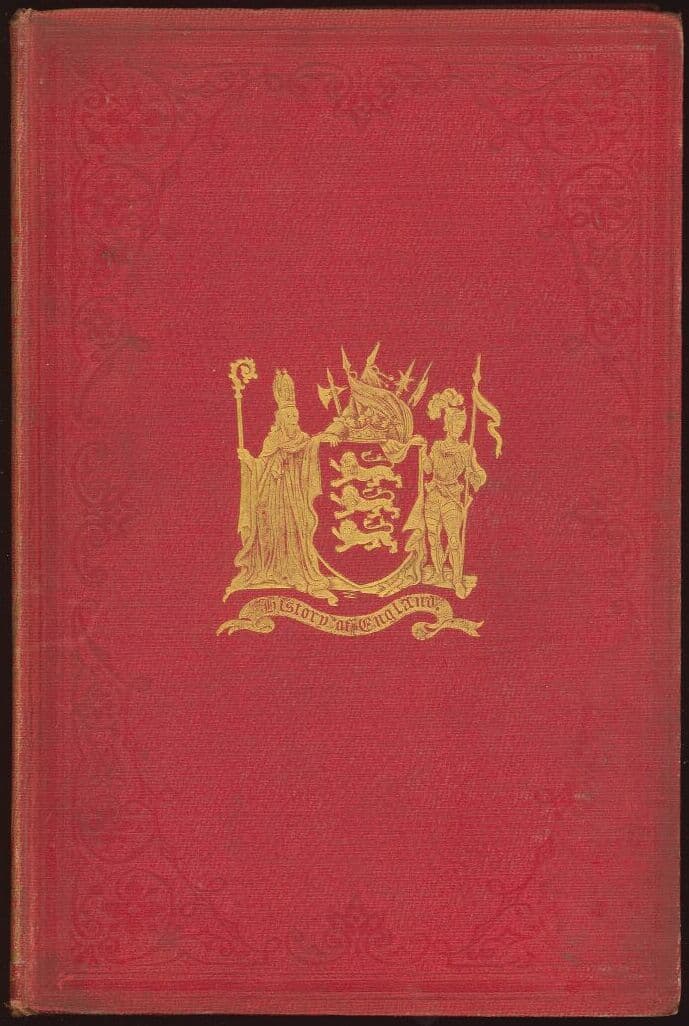
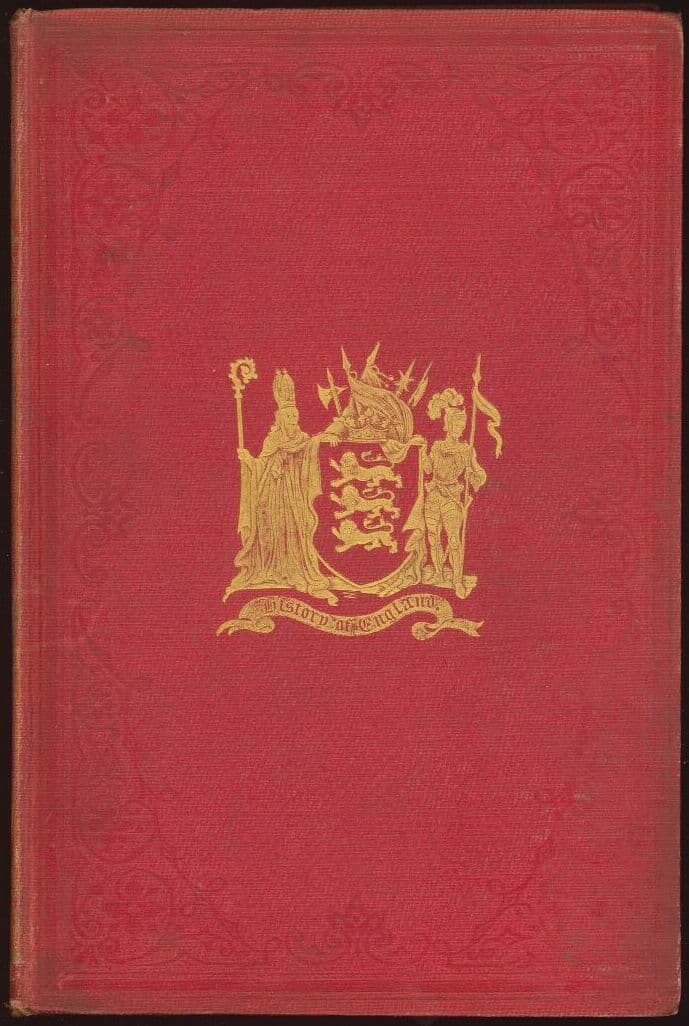
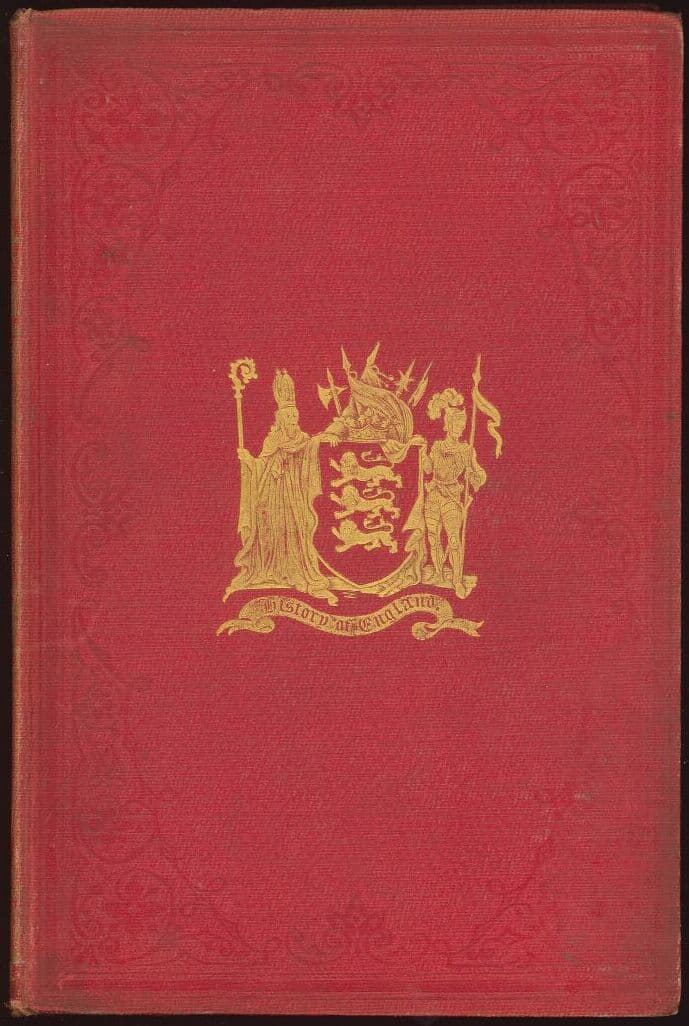
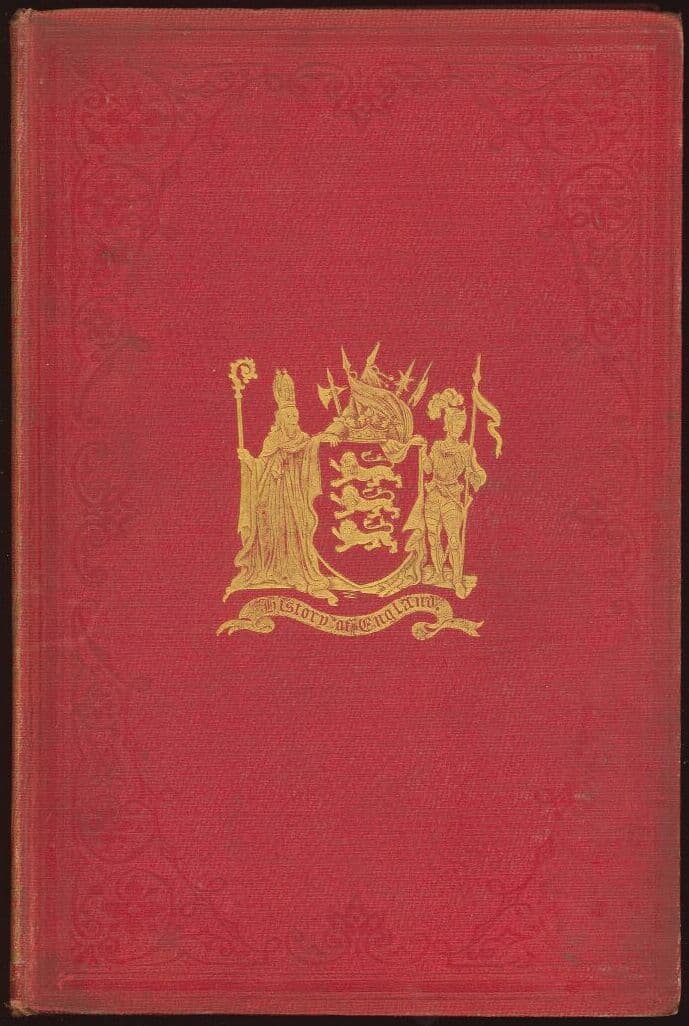
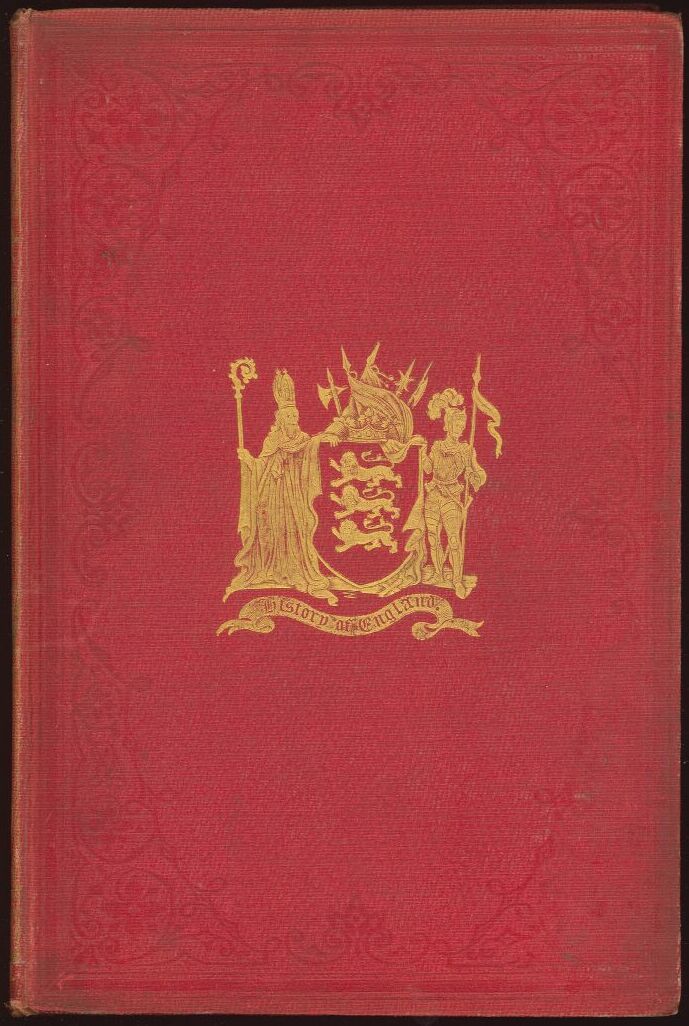
The History of England in Three Volumes, Vol. I., Part C.: From Henry VII. to Mary
1711
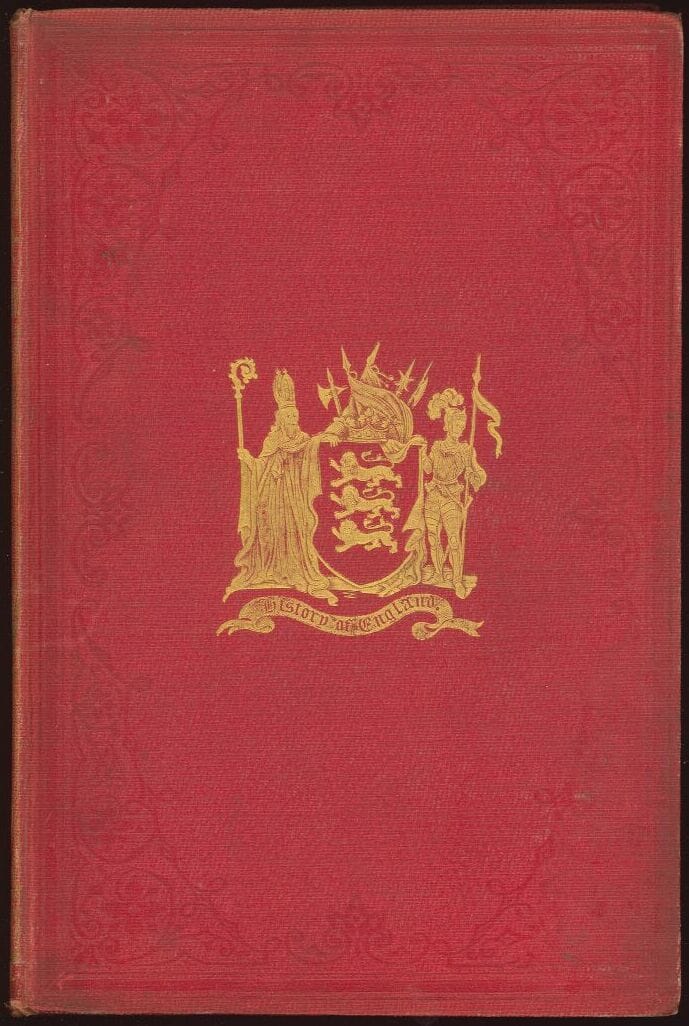
The History of England in Three Volumes, Vol. I., Part C.: From Henry VII. to Mary
1711
David Hume, the great Scottish philosopher, brought his skeptical intelligence and elegant prose to history, and the result was this landmark work: the first modern narrative history of England. This volume covers the Tudor dynasty at its most volatile, from Henry VII's precarious grip on power after Bosworth Field through the religious earthquakes of Henry VIII's reign to Mary's bloody attempt to reverse the Reformation. Hume writes with the detached eye of a philosopher observing human ambition and folly: he dissects the political calculations behind Henry VII's legendary parsimony, traces the catastrophic consequences of Henry's marital obsessions, and documents the persecution that earned Mary her grim nickname. Unlike later historians who would romanticize the Tudors, Hume sees a story of power, superstition, and the terrible price of religious certainty. His account remains compelling not despite but because of its Enlightenment rationality, which renders the Tudors' machinations legible to modern readers. For anyone who wants to understand how England became England, this is essential reading.
Editions

Link to this book
Add a free, dofollow link to Lex on your blog, forum, syllabus, or reading list.

<a href="https://lex-books.com/book/the-history-of-england-in-three-volumes-vol-i-part-c-from-henry-vii-to-mary-011f976b-a887-4b9c-b655-1334545f6777"><img src="https://lex-books.com/badges/read-on-lex.svg" alt="Read The History of England in Three Volumes, Vol. I., Part C.: From Henry VII. to Mary by David Hume free on Lex" width="160" height="40"></a>[](https://lex-books.com/book/the-history-of-england-in-three-volumes-vol-i-part-c-from-henry-vii-to-mary-011f976b-a887-4b9c-b655-1334545f6777)[url=https://lex-books.com/book/the-history-of-england-in-three-volumes-vol-i-part-c-from-henry-vii-to-mary-011f976b-a887-4b9c-b655-1334545f6777][img]https://lex-books.com/badges/read-on-lex.svg[/img][/url]Read The History of England in Three Volumes, Vol. I., Part C.: From Henry VII. to Mary by David Hume free on Lex: https://lex-books.com/book/the-history-of-england-in-three-volumes-vol-i-part-c-from-henry-vii-to-mary-011f976b-a887-4b9c-b655-1334545f6777Cite this book
Reading this edition for a paper or guide? Copy a citation.
Hume, David. The History of England in Three Volumes, Vol. I., Part C.: From Henry VII. to Mary. Lex, lex-books.com/book/the-history-of-england-in-three-volumes-vol-i-part-c-from-henry-vii-to-mary-011f976b-a887-4b9c-b655-1334545f6777.Hume, D. (1711). The History of England in Three Volumes, Vol. I., Part C.: From Henry VII. to Mary. Lex. https://lex-books.com/book/the-history-of-england-in-three-volumes-vol-i-part-c-from-henry-vii-to-mary-011f976b-a887-4b9c-b655-1334545f6777Hume, David. The History of England in Three Volumes, Vol. I., Part C.: From Henry VII. to Mary. Lex. https://lex-books.com/book/the-history-of-england-in-three-volumes-vol-i-part-c-from-henry-vii-to-mary-011f976b-a887-4b9c-b655-1334545f6777.