
Horace Walpole
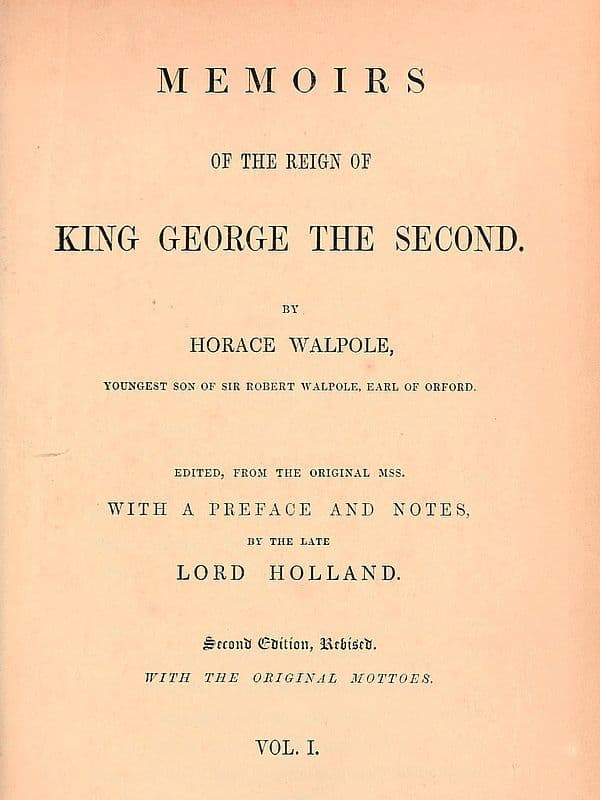
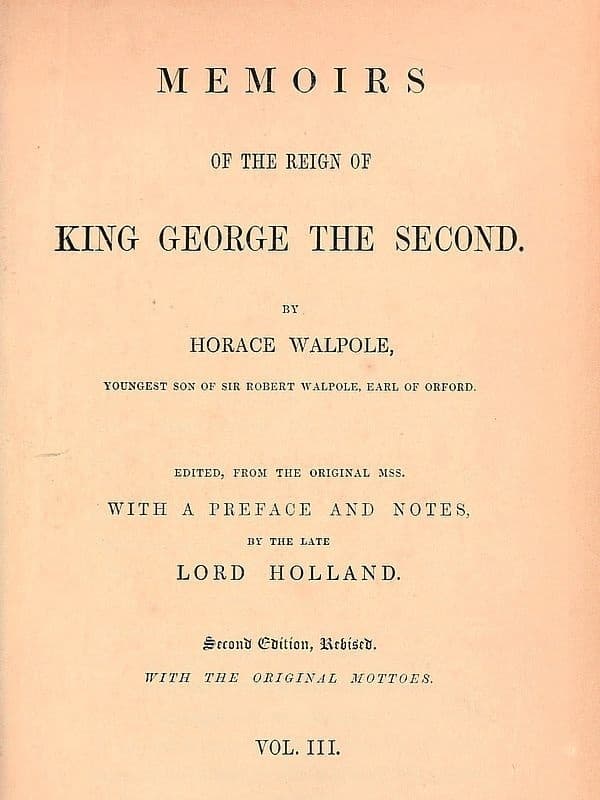
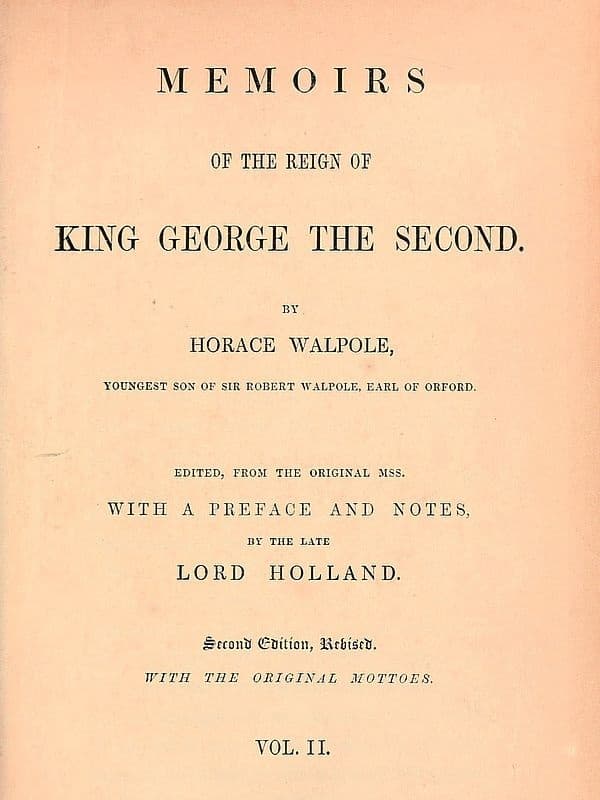
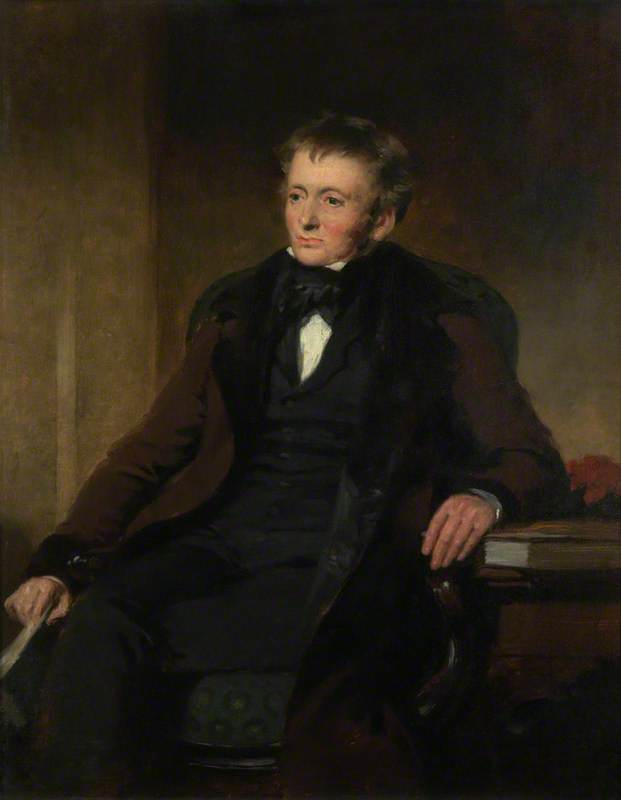
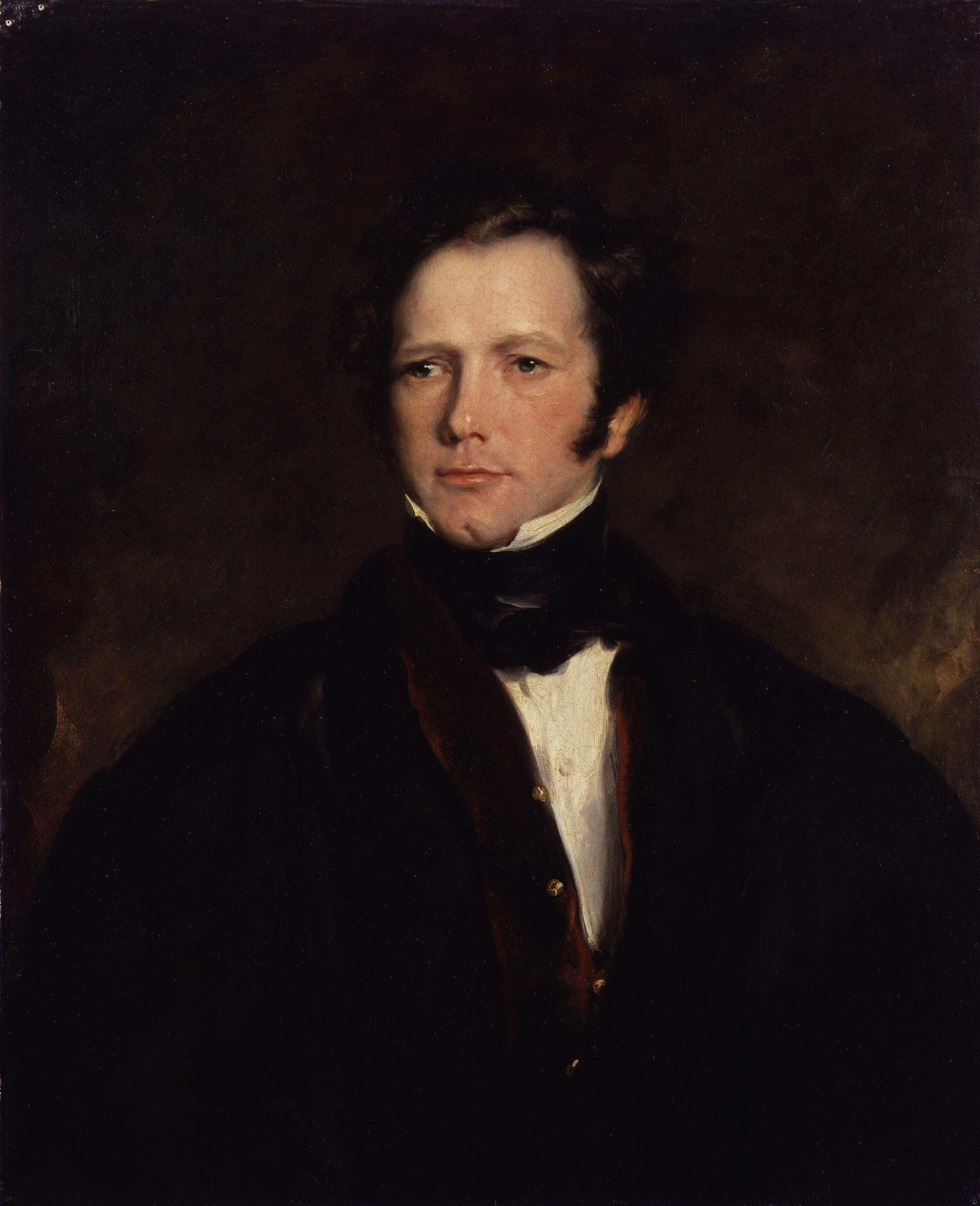
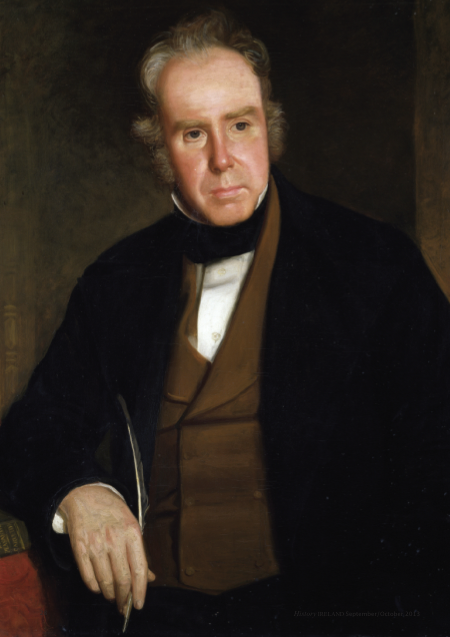
Horace Walpole was an influential English Whig politician, writer, and antiquarian, best known for his pioneering contributions to Gothic literature. Born into a prominent political family as the youngest son of Sir Robert Walpole, the first British Prime Minister, Walpole's literary legacy is anchored by his groundbreaking novel, The Castle of Otranto, published in 1764. This work is often regarded as the first Gothic novel, establishing a genre that would flourish in the following decades. In addition to his fiction, Walpole's extensive correspondence, compiled in 48 volumes by Yale University Press, offers valuable insights into the social and political climate of his time, reflecting his keen observations and wit. Walpole's architectural endeavors also left a lasting mark; he designed Strawberry Hill House in Twickenham, which became a notable example of the Gothic Revival style long before it gained popularity in the Victorian era. His eclectic interests in history and antiquities further enriched his contributions to literature and culture. As the 4th Earl of Orford, Walpole's life intertwined with the political landscape of his time, but it is his literary innovations and the unique blend of personal correspondence that solidified his place in literary history, influencing generations of writers and shaping the Gothic genre.
Famous Quotes
View all 13 quotes“The world is a tragedy to those who feel, but a comedy to those who think.””
“When people will not weed their own minds, they are apt to be overrun by nettles.””
“This world is a comedy to those that think, a tragedy to those that feel.””
Books from the author












Link to this page
Add a free, dofollow link to Lex on your blog, forum, syllabus, or reading list.

<a href="https://lex-books.com/author/horace-walpole"><img src="https://lex-books.com/badges/read-on-lex.svg" alt="Horace Walpole on Lex" width="160" height="40"></a>[](https://lex-books.com/author/horace-walpole)[url=https://lex-books.com/author/horace-walpole][img]https://lex-books.com/badges/read-on-lex.svg[/img][/url]Horace Walpole on Lex: https://lex-books.com/author/horace-walpole