Essays
1741
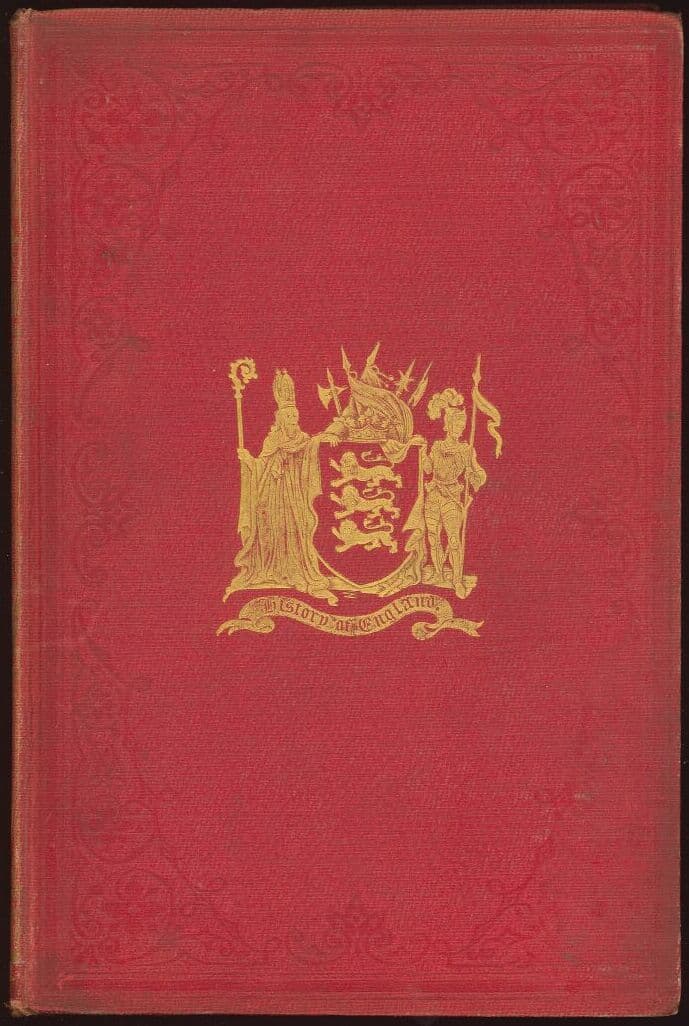
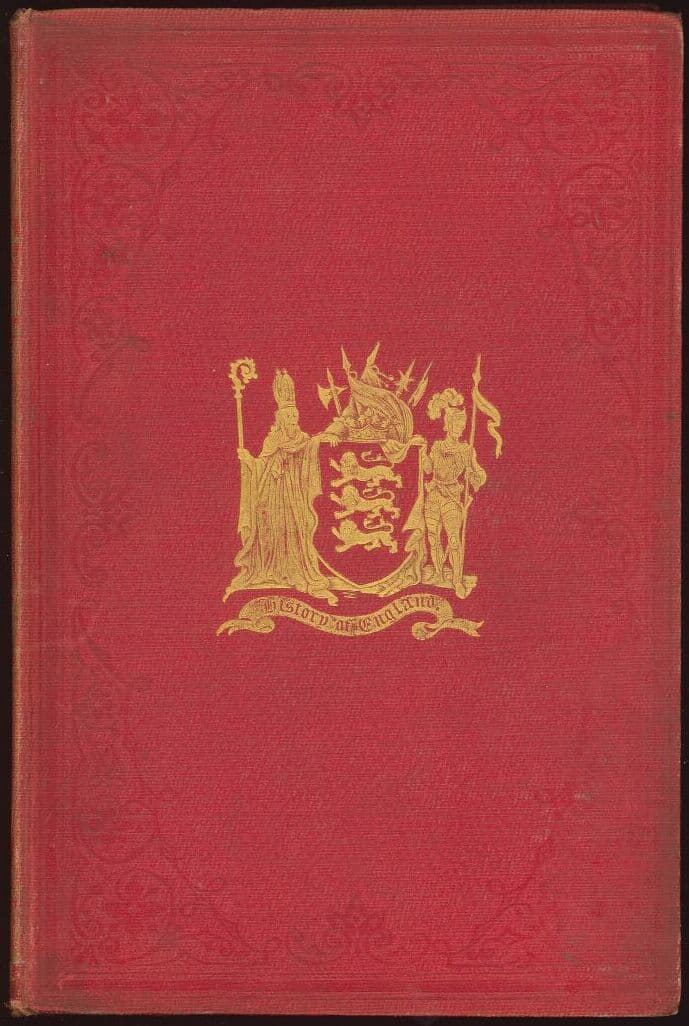
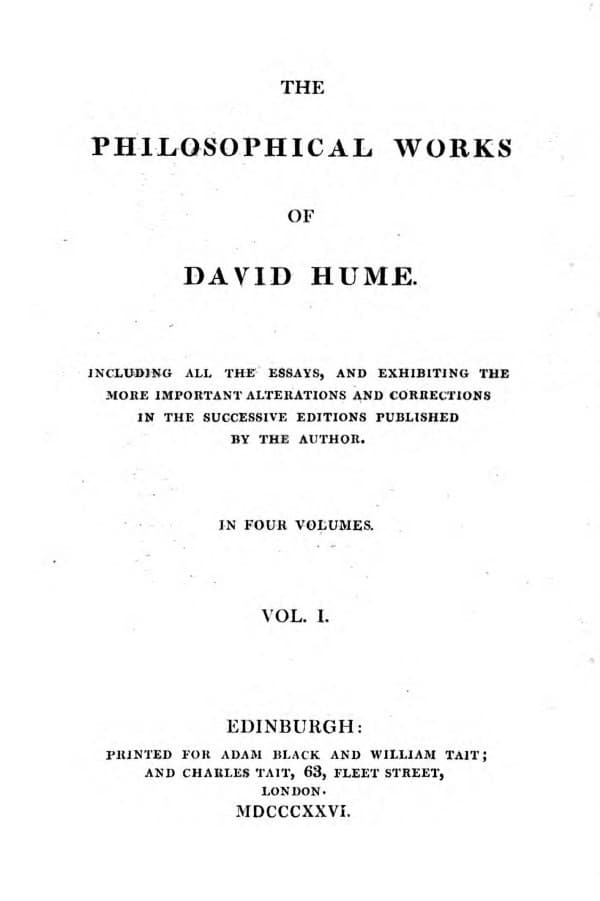
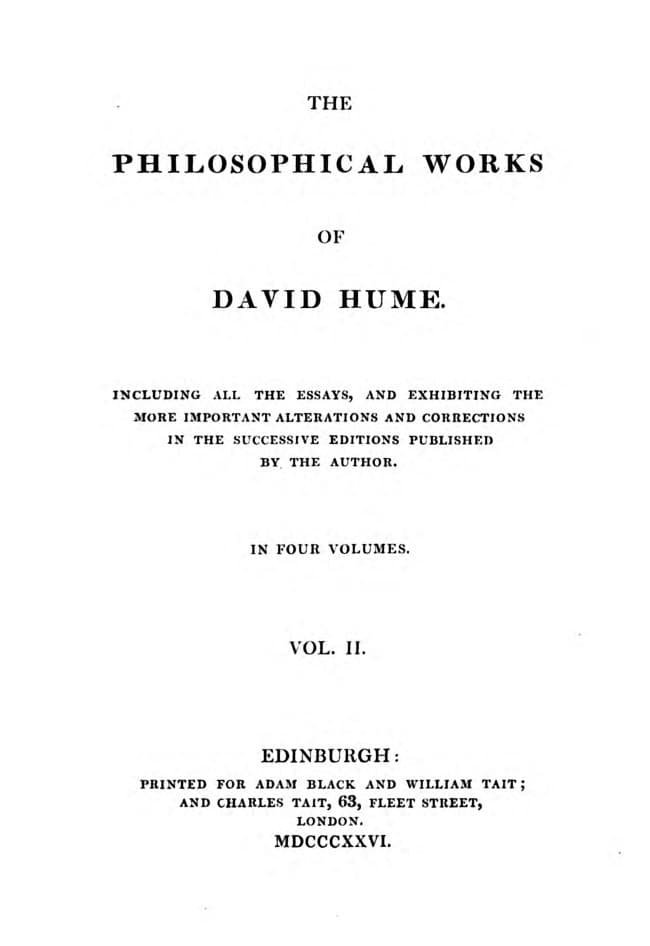
Essays by David Hume, first published in 1741, is a collection of philosophical writings that delve into topics such as politics, taste, and the nature of government. This work reflects Hume's exploration of moral and political philosophy, bridging academic thought with societal issues of the 18th century. The collection includes a biographical introduction detailing Hume's life and struggles, setting the context for his innovative ideas on civil society and human experience. Notably, it showcases Hume's ability to address a wide range of social and cultural concerns, marking him as a significant thinker of his time.
Editions
X-Ray
“I never knew anyone, that examined and deliberated about nonsense, who did not believe it before the end of his enquiries.””
— David Hume
“I resolved to make a very rigid frugality supply my deficiency of fortune, to maintain unimpaired my independency, and to regard every object as contemptible except the improvement of my talents in literature.””
— David Hume
“Tristram Shandy may perhaps go on a little longer, but we will not follow him. With all his drollery there is a sameness of extravagance which tires us. We have just a succession of Surprise, surprise, surprise.””
— David Hume
“Punishment, without any proper end or purpose, is inconsistent with our ideas of goodness and justice; and no end can be served by it after the whole scene is closed. Punishment, according to our conception, should bear some proportion to the offence. Why then eternal punishment for the temporary offences of so frail a creature as man? Can any one approve of Alexander's rage, who intended to exterminate a whole nation, because they had seized his favorite horse, Bucephalus? Heaven and hell suppose two distinct species of men, the good and the bad. But the greatest part of mankind float betwixt vice and virtue.””
— David Hume
“Nothing in this world is perpetual; Every thing, however seemingly firm, is in continual flux and change: The world itself gives symptoms of frailty and dissolution: How contrary to analogy, therefore, to imagine, that one single form, seeming the frailest of any, and subject to the greatest disorders, is immortal and indissoluble? What a daring theory is that! How lightly, not to say how rashly, entertained! How to dispose of the infinite number of posthumous existences ought also to embarrass the religious theory. Every planet, in every solar system, we are at liberty to imagine people with intelligent, mortal beings: At least we can fix on no other supposition. For these, a new universe must, every generation, be created beyond the bounds of the present universe: or one must have been created at first so prodigiously wide as to admit of this continual influx of beings. Ought such bold suppositions to be received by any philosophy: and that merely on the pretext of a bare possibility? When it is asked, whether Agamemnon, Thersites, Hannibal, Nero, and every stupid clown, that ever existed in Italy, Scythia, Bactria, or Guinea, are now alive; can any man think, that a scrutiny of nature will furnish arguments strong enough to answer so strange a question in the affirmative? The want of argument, without revelation, sufficiently establishes the negative. Quanto facilius, says Pliny, certiusque sibi quemque credere, ac specimen securitatis antegenitali sumere experimento. Our insensibility, before the composition of the body, seems to natural reason a proof of a like state after dissolution.””
— David Hume
“Art may make a suit of clothes, but nature must produce a man.””
— David Hume
“Not to mention that a crown is too high a reward ever to be given to merit alone, and will always induce the candidates to employ force, or money, or intrigue, to procure the votes of the electors: so that such an election will give no better chance for superior merit in the prince, than if the state had trusted to birth alone for determining the sovereign.””
— David Hume
“The chief source of moral ideas is the reflection on the interests of human society. Ought these interests, so short, so frivolous, to be guarded by punishments, eternal and infinite? The damnation of one man is an infinitely greater evil in the universe, than the subversion of a thousand millions of kingdoms. Nature has rendered human infancy peculiarly frail and mortal; as it were on the purpose to refute the notion of a probationary state. The half of mankind die before they are rational creatures.””
— David Hume
Link to this book
Add a free, dofollow link to Lex on your blog, forum, syllabus, or reading list.

<a href="https://lex-books.com/book/essays-83842b6e-9ce6-4868-a969-8e85cfc1da04"><img src="https://lex-books.com/badges/read-on-lex.svg" alt="Read Essays by David Hume free on Lex" width="160" height="40"></a>[](https://lex-books.com/book/essays-83842b6e-9ce6-4868-a969-8e85cfc1da04)[url=https://lex-books.com/book/essays-83842b6e-9ce6-4868-a969-8e85cfc1da04][img]https://lex-books.com/badges/read-on-lex.svg[/img][/url]Read Essays by David Hume free on Lex: https://lex-books.com/book/essays-83842b6e-9ce6-4868-a969-8e85cfc1da04Cite this book
Reading this edition for a paper or guide? Copy a citation.
Hume, David. Essays. Lex, lex-books.com/book/essays-83842b6e-9ce6-4868-a969-8e85cfc1da04.Hume, D. (1741). Essays. Lex. https://lex-books.com/book/essays-83842b6e-9ce6-4868-a969-8e85cfc1da04Hume, David. Essays. Lex. https://lex-books.com/book/essays-83842b6e-9ce6-4868-a969-8e85cfc1da04.