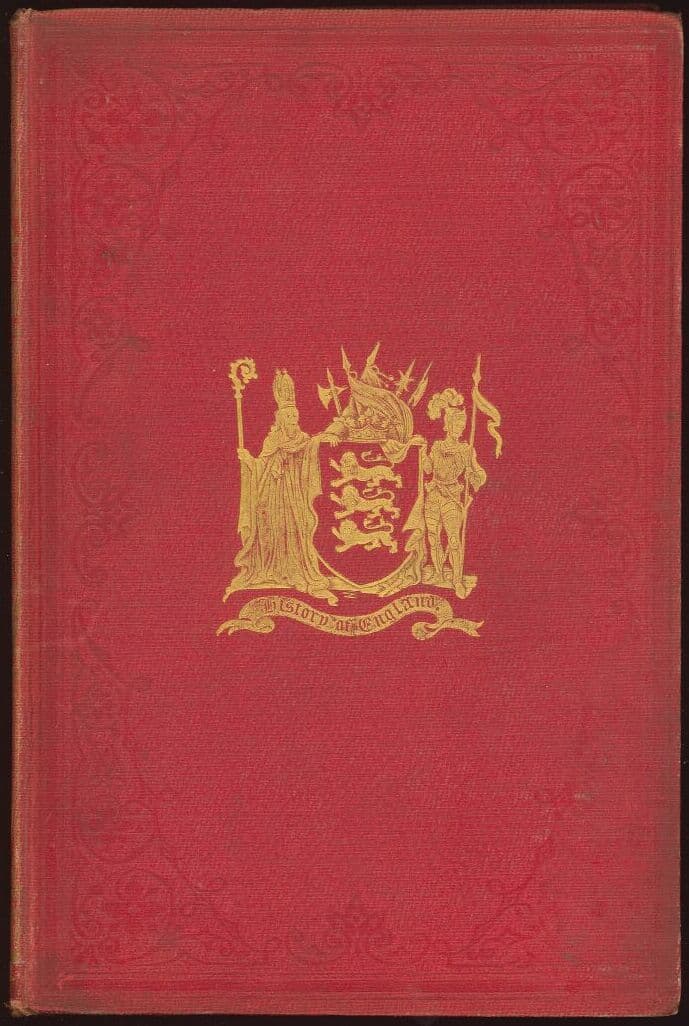
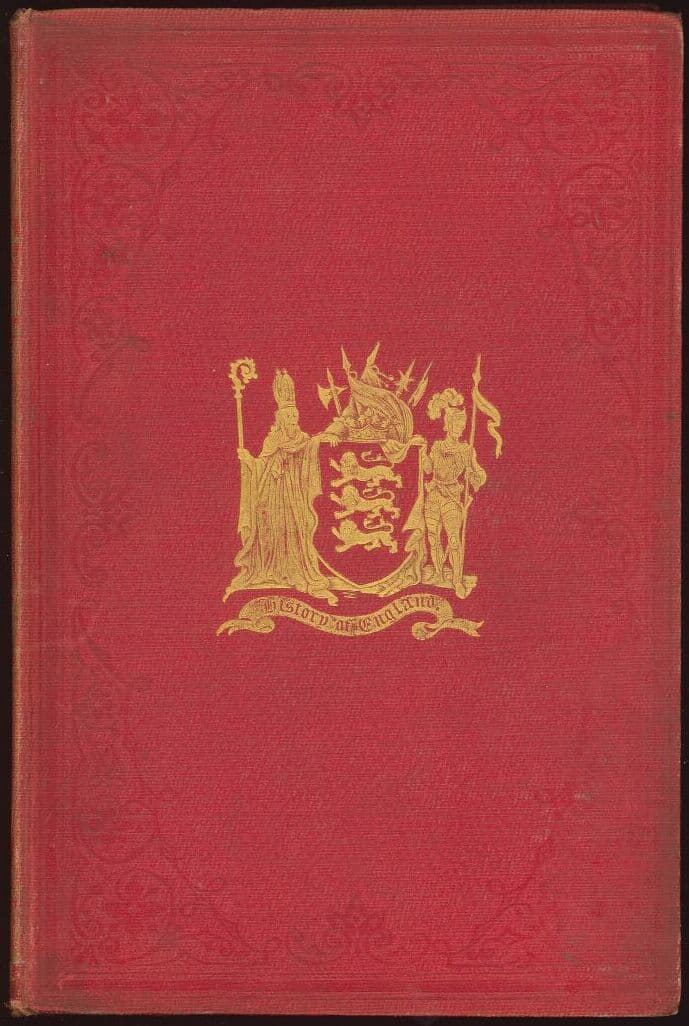
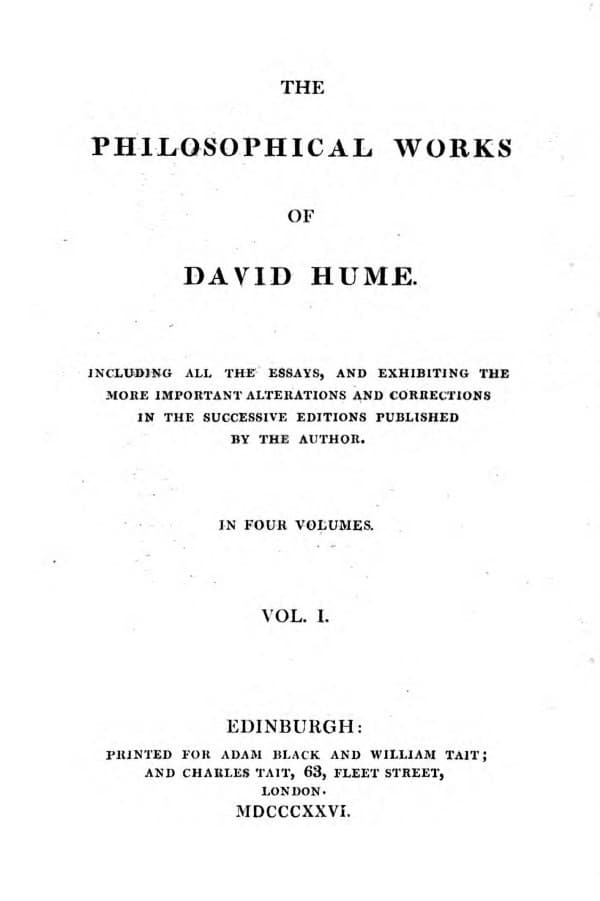
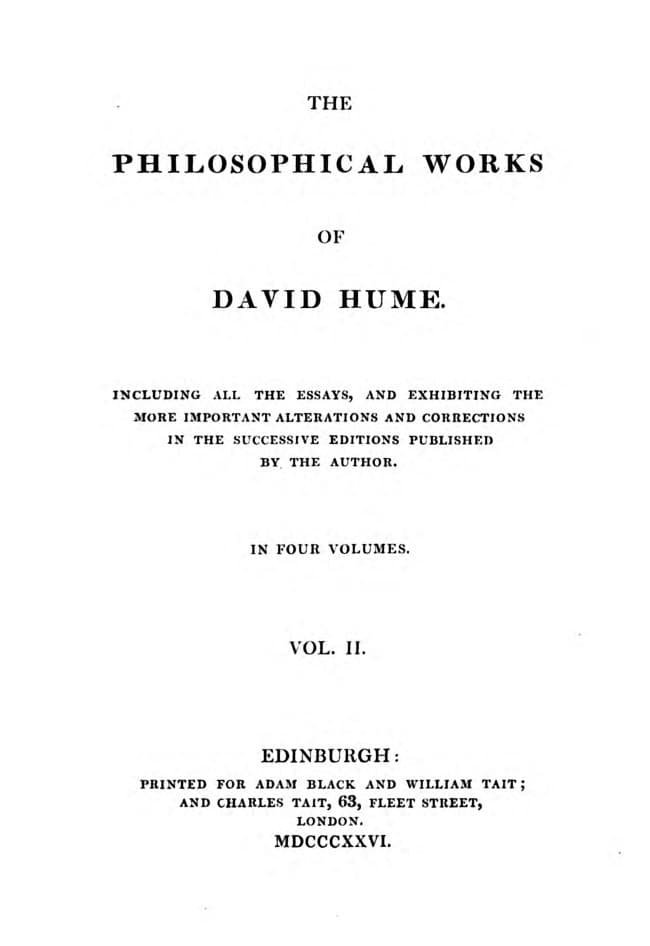
A History of England from Early Times
1754

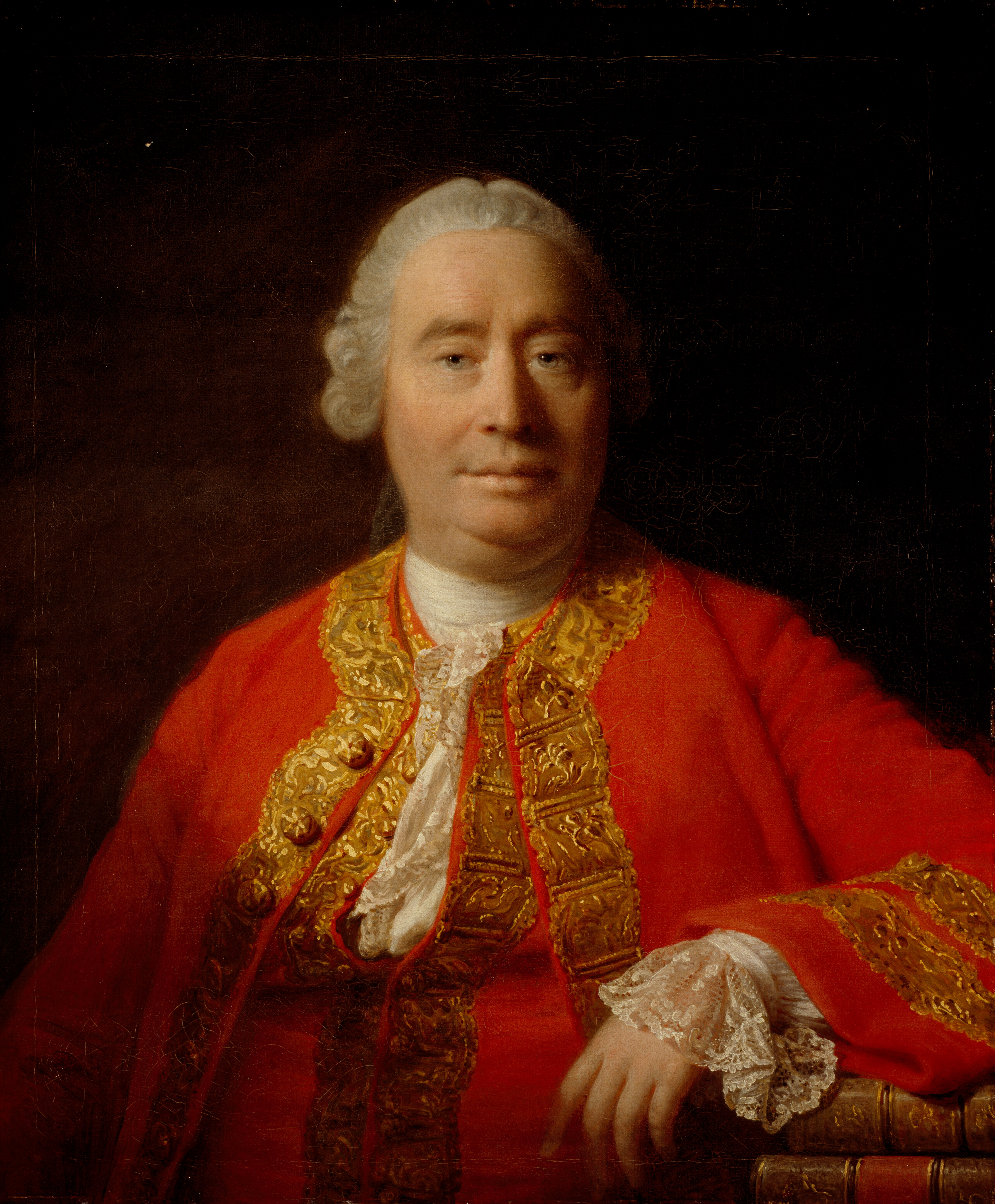
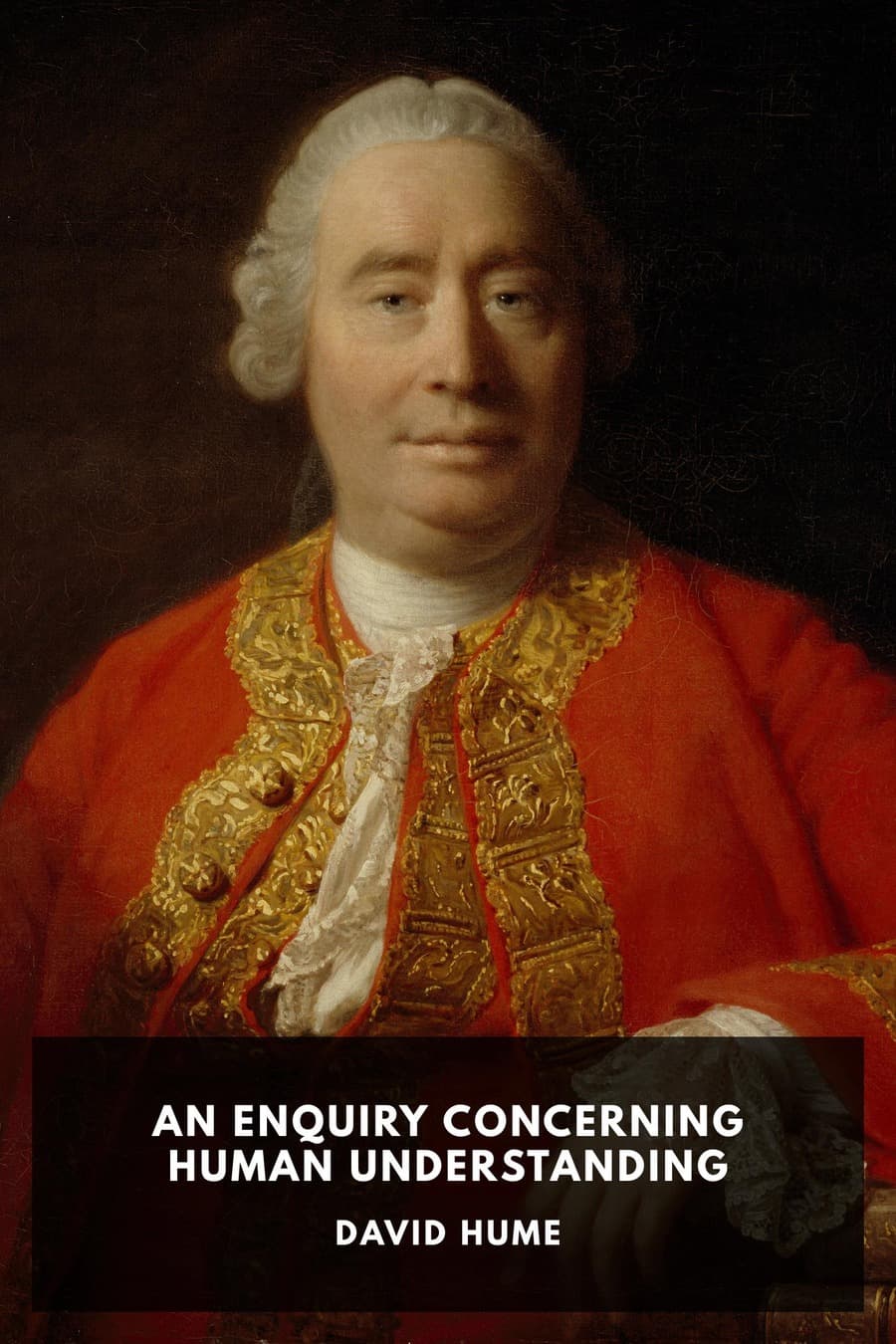
David Hume, the philosopher who fundamentally reshaped how we think about knowledge and human nature, turned his incisive mind to the turbulent sweep of English history with this landmark work. Written in elegant, discursive prose that feels startlingly modern despite its 18th-century origins, Hume brought the same skeptical rigor to chronicling monarchs and revolutions that he applied to questions of cause and effect. The result is a history that reads less like a chronicle of dates and battles and more like an anatomy of power: how it is won, maintained, and lost. Volume I begins with the ancient British tribes and carries readers through the Roman occupation, the Anglo-Saxon kingdoms, the Norman Conquest, and the tumultuous Plantagenet era. Hume offers sharp portraits of figures like William the Conqueror and Henry VIII, while unpacking the seismic events that forged English governance: the Barons' confrontation with King John that produced Magna Carta, and the cataclysm of civil war that executed one king and abolished monarchy itself. For readers who want to understand not just what happened, but why Hume believed it happened, this remains a philosopher's meditation on the rise and fall of nations.
Editions

Link to this book
Add a free, dofollow link to Lex on your blog, forum, syllabus, or reading list.

<a href="https://lex-books.com/book/a-history-of-england-from-early-times-300c2086-b081-48ed-bd3f-babc6d1f6c2f"><img src="https://lex-books.com/badges/read-on-lex.svg" alt="Read A History of England from Early Times by David Hume free on Lex" width="160" height="40"></a>[](https://lex-books.com/book/a-history-of-england-from-early-times-300c2086-b081-48ed-bd3f-babc6d1f6c2f)[url=https://lex-books.com/book/a-history-of-england-from-early-times-300c2086-b081-48ed-bd3f-babc6d1f6c2f][img]https://lex-books.com/badges/read-on-lex.svg[/img][/url]Read A History of England from Early Times by David Hume free on Lex: https://lex-books.com/book/a-history-of-england-from-early-times-300c2086-b081-48ed-bd3f-babc6d1f6c2fCite this book
Reading this edition for a paper or guide? Copy a citation.
Hume, David. A History of England from Early Times. Lex, lex-books.com/book/a-history-of-england-from-early-times-300c2086-b081-48ed-bd3f-babc6d1f6c2f.Hume, D. (1754). A History of England from Early Times. Lex. https://lex-books.com/book/a-history-of-england-from-early-times-300c2086-b081-48ed-bd3f-babc6d1f6c2fHume, David. A History of England from Early Times. Lex. https://lex-books.com/book/a-history-of-england-from-early-times-300c2086-b081-48ed-bd3f-babc6d1f6c2f.