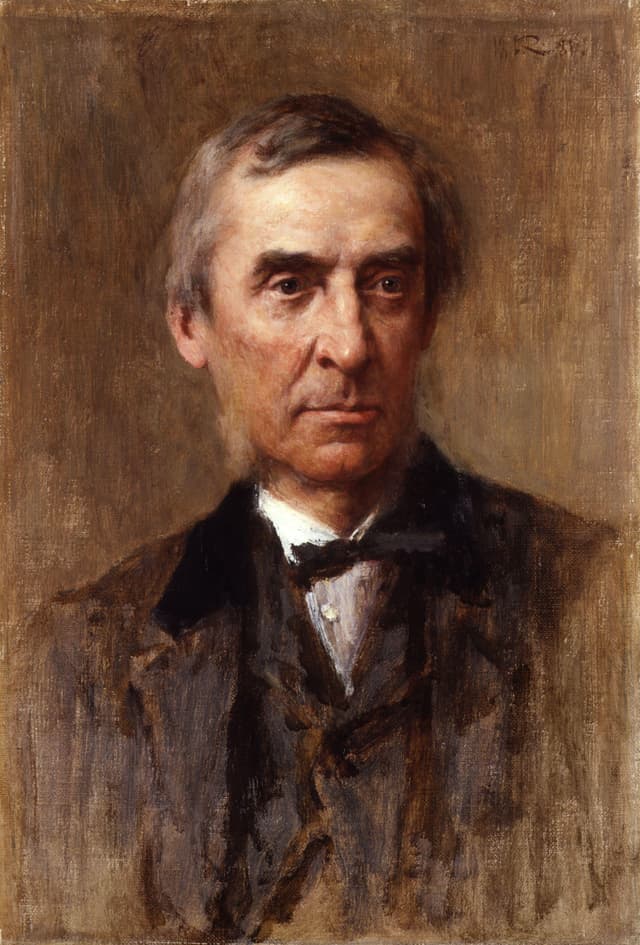
James Anthony Froude
James Anthony Froude was an influential English historian, novelist, and biographer, known for his engaging yet controversial approach to historical writing. Initially raised within the Anglo-Catholic Oxford Movement with aspirations of becoming a clergyman, Froude's faith was shaken by the publication of his provocative novel, The Nemesis of Faith, in 1849. This work not only marked his departure from a religious career but also established him as a significant literary figure. He gained prominence for his extensive History of England from the Fall of Wolsey to the Defeat of the Spanish Armada, where his polemical style and vivid narrative brought history to life, though it also attracted considerable criticism from contemporaries who disagreed with his interpretations and methodologies. Froude's legacy is further complicated by his biography of Thomas Carlyle, which included personal letters that sparked controversy regarding Carlyle's marriage. This work, along with his editorial role at Fraser's Magazine, solidified Froude's reputation as a divisive figure in Victorian literature and historiography. His writings not only shaped public discourse on historical events but also reflected the tensions of his time, making him a significant, if contentious, voice in the landscape of 19th-century English literature and history.
Famous Quotes
View all 3 quotes“Wild animals never kill for sport. Man is the only one to whom the torture and death of his fellow-creatures is amusing in itself.”
“You cannot dream yourself into a character; you must hammer and forge yourself one.”
“It often seems to me as if History was like a child's box of letters, with which we can spell any word we please. We have only to pick out such letters as we want, arrange them as we like, and say nothing about those which do not suit our purpose.”
Books from the author



Link to this page
Add a free, dofollow link to Lex on your blog, forum, syllabus, or reading list.

<a href="https://lex-books.com/author/james-anthony-froude"><img src="https://lex-books.com/badges/read-on-lex.svg" alt="James Anthony Froude on Lex" width="160" height="40"></a>[](https://lex-books.com/author/james-anthony-froude)[url=https://lex-books.com/author/james-anthony-froude][img]https://lex-books.com/badges/read-on-lex.svg[/img][/url]James Anthony Froude on Lex: https://lex-books.com/author/james-anthony-froude