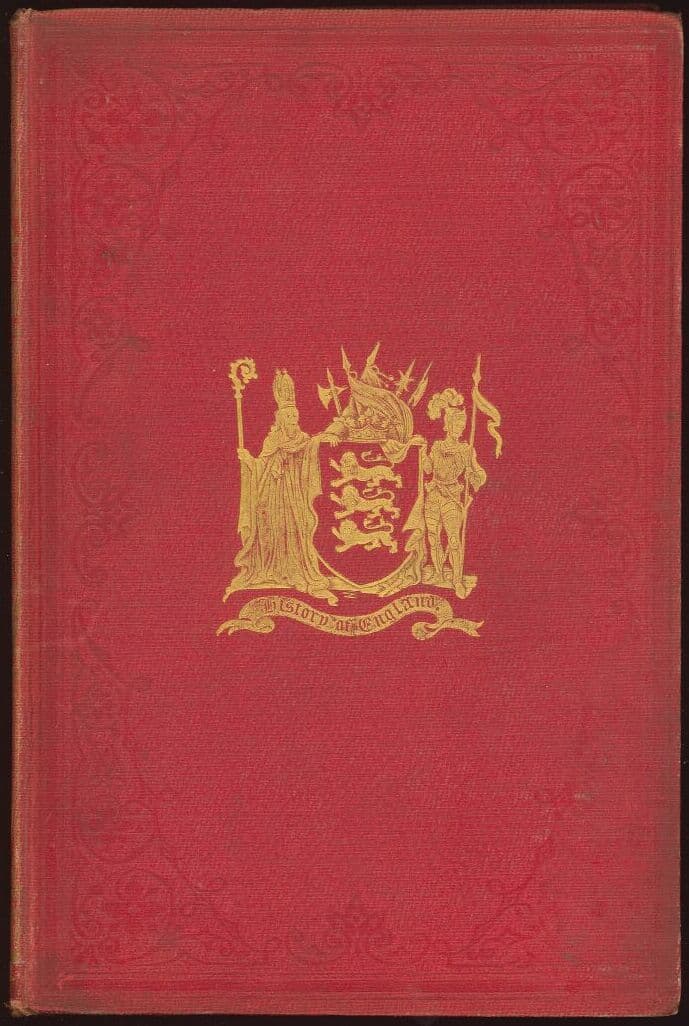
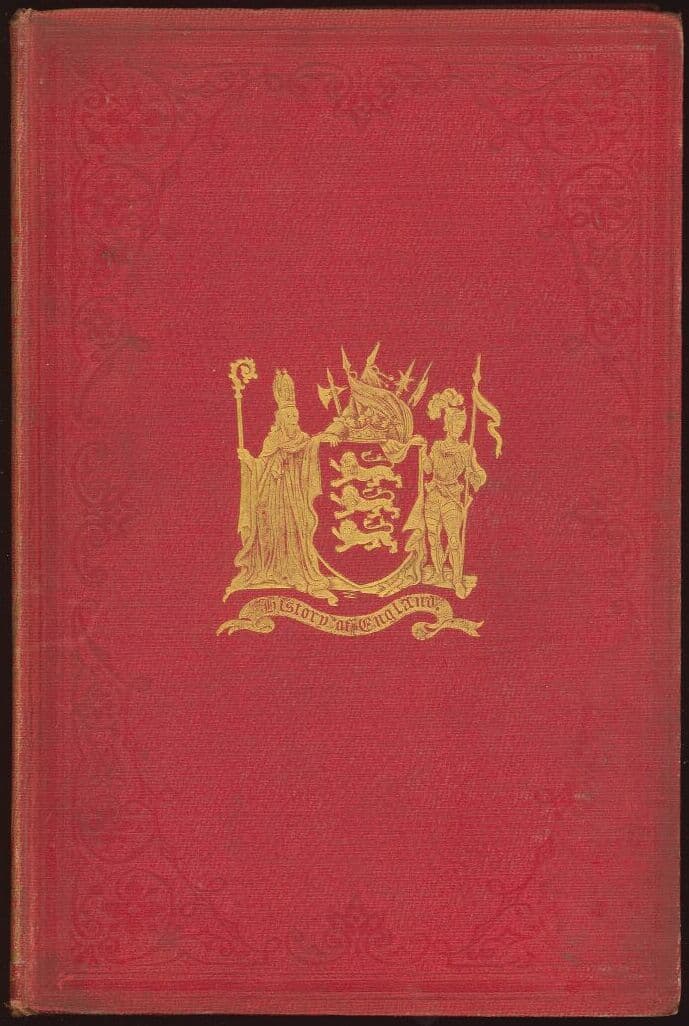
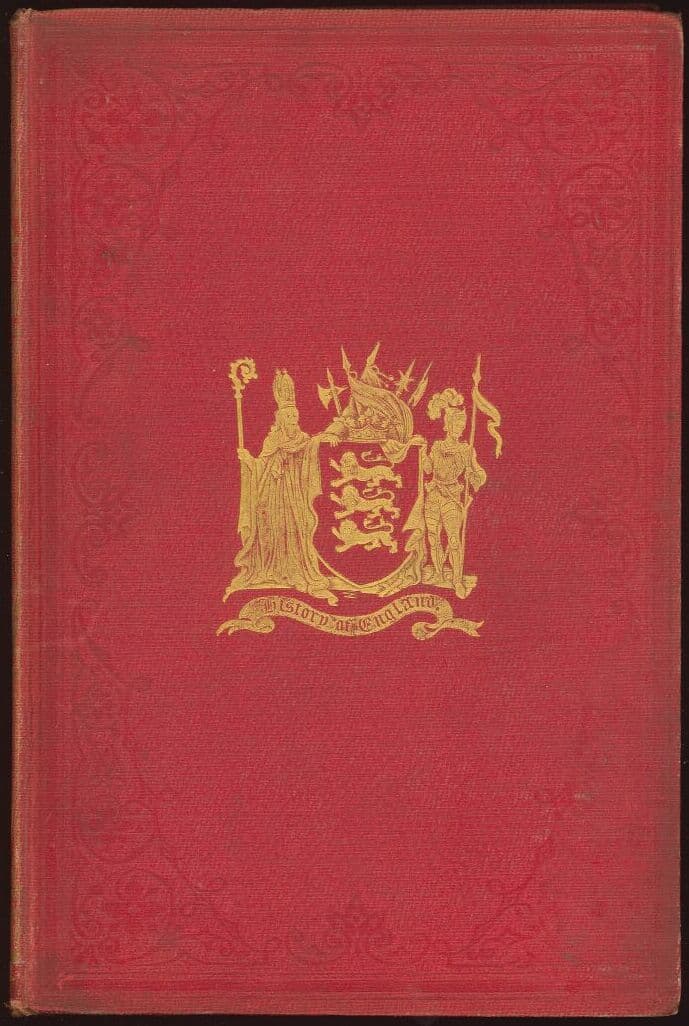
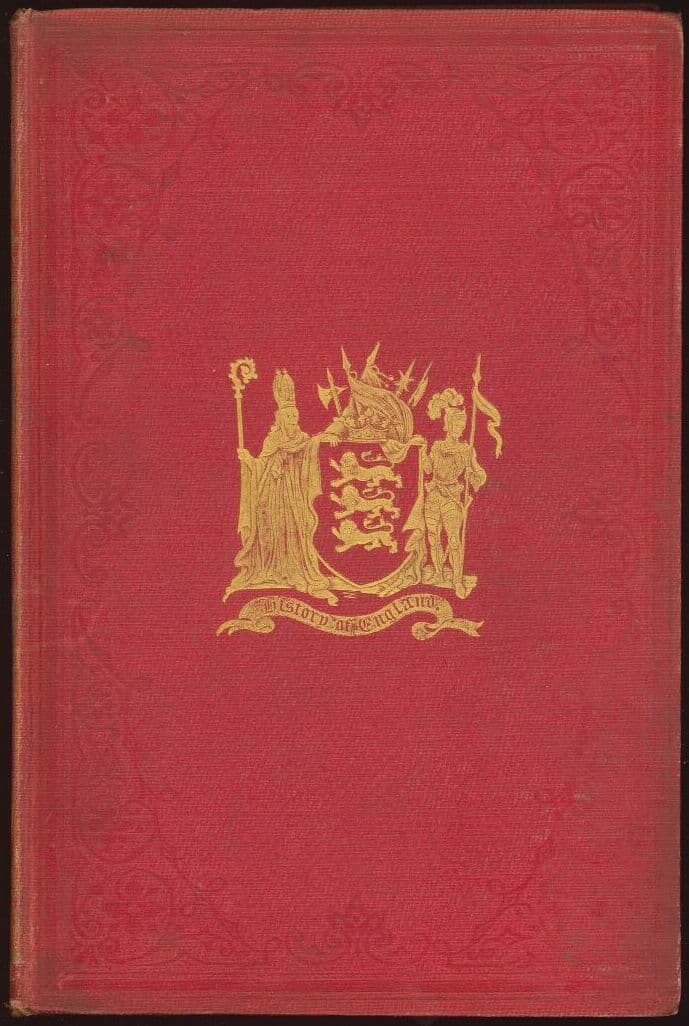
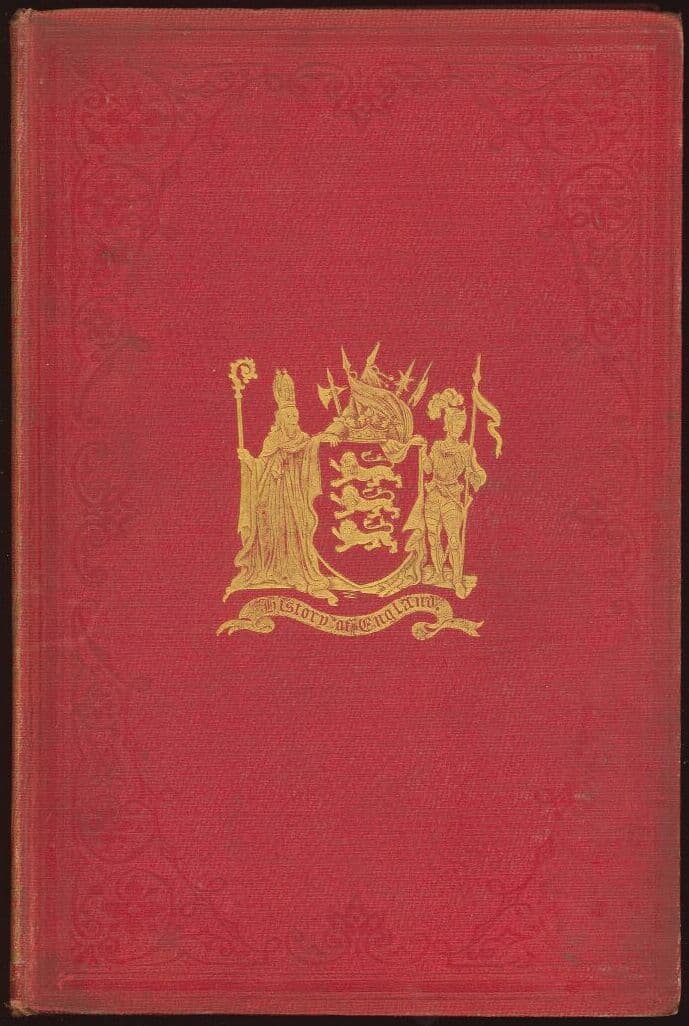
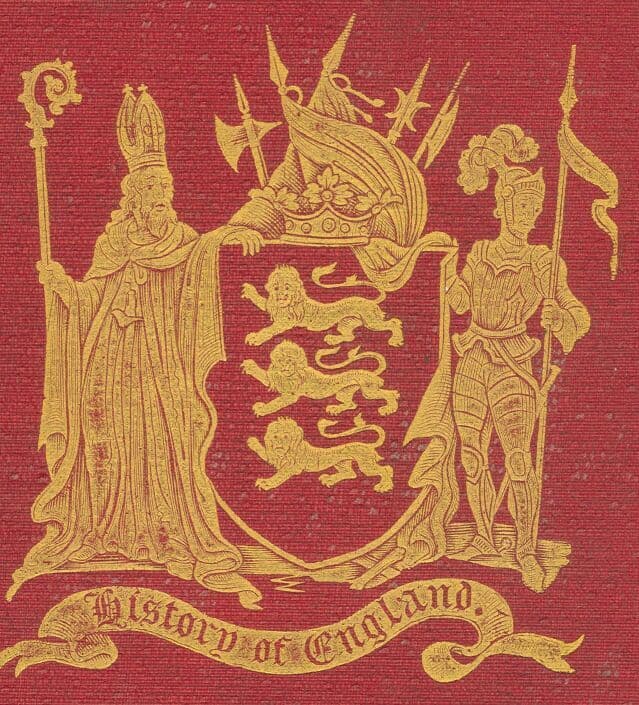
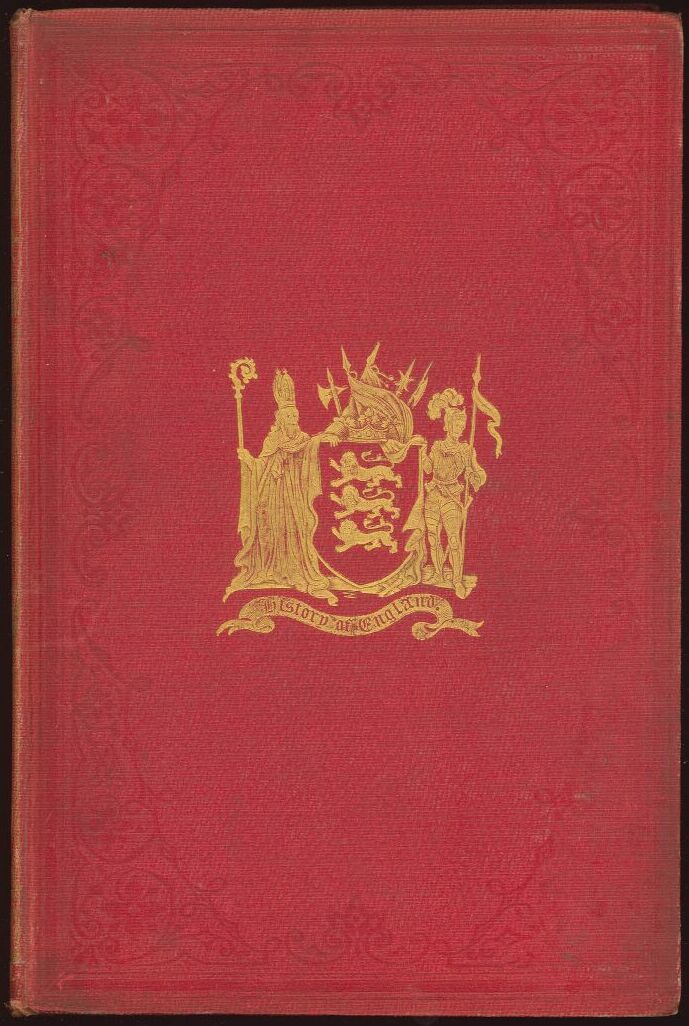
The History of England in Three Volumes, Vol. I., Part F.: From Charles II. to James II.
The History of England in Three Volumes, Vol. I., Part F.: From Charles II. to James II.
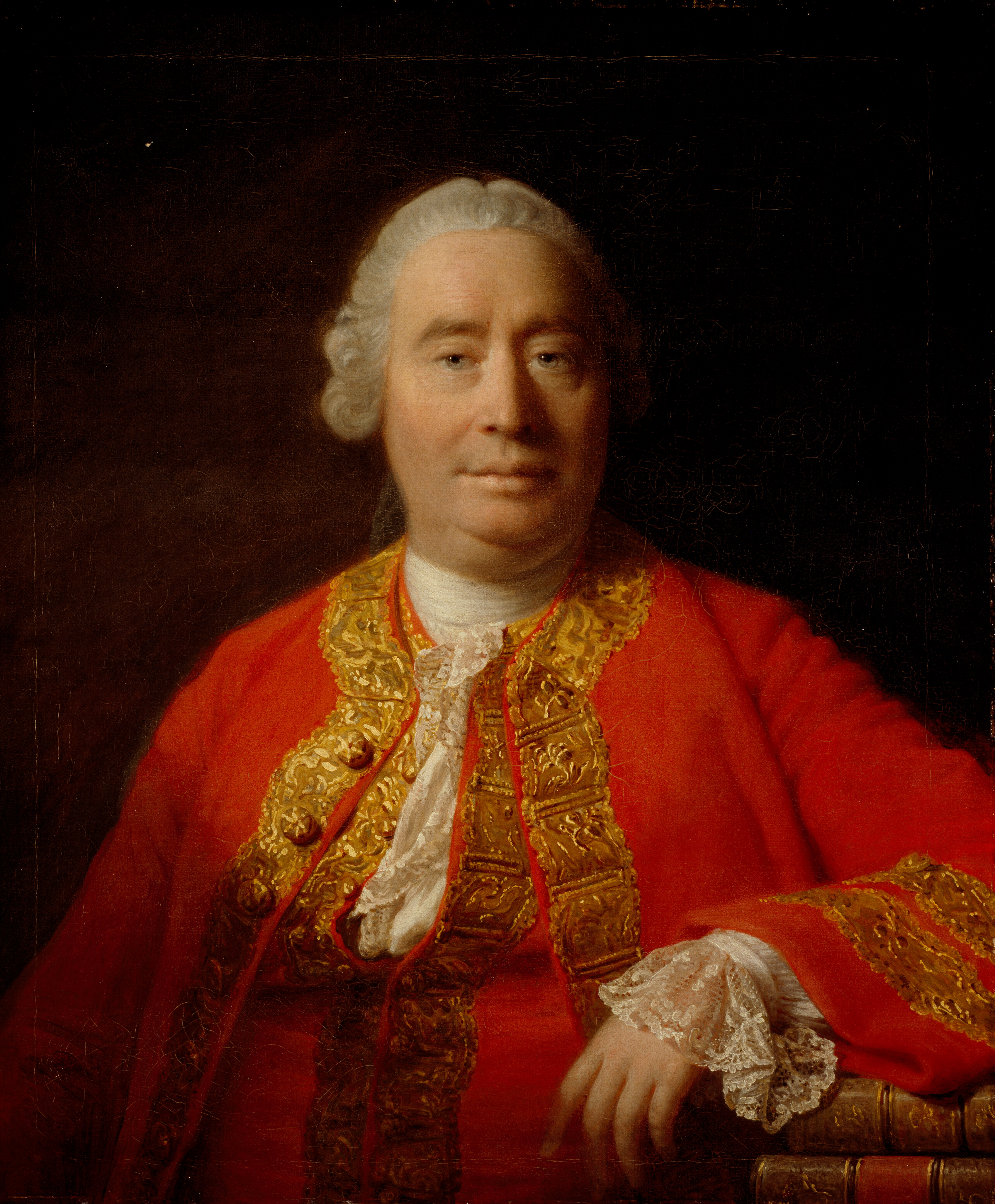
David Hume brought the same skeptical precision that made him a cornerstone of Enlightenment philosophy to his monumental history of England, and the result is a narrative that reads less like a chronicle than a sustained meditation on power, liberty, and the fragile foundations of constitutional government. This volume traces the turbulent decades from Charles II's triumphant restoration in 1660 to the catastrophic reign of James II, a period that saw the English grapple with the aftermath of civil war, the paranoia of the Popish Plot, the failed attempt to exclude a Catholic from the throne, and finally the bloodless revolution that would reshape the nation's political DNA. Hume's genius lies in his refusal to reduce these events to simple morality tales; he understands that history is the product of circumstance, interest, and human frailty as much as principle. His portraits of Charles II's worldly cynicism, the earnest but doomed Anthony Ashley Cooper, and James II's stubborn inability to read his moment are among the finest character studies in the language. This is history written by a philosopher who believed that understanding the past was essential to understanding ourselves, and it remains essential reading for anyone who wants to grasp how England became England.
Editions

Link to this book
Add a free, dofollow link to Lex on your blog, forum, syllabus, or reading list.

<a href="https://lex-books.com/book/the-history-of-england-in-three-volumes-vol-i-part-f-from-charles-ii-to-james-ii-653b3ae4-d056-4601-9774-a8478d0c0a4a"><img src="https://lex-books.com/badges/read-on-lex.svg" alt="Read The History of England in Three Volumes, Vol. I., Part F.: From Charles II. to James II. by David Hume free on Lex" width="160" height="40"></a>[](https://lex-books.com/book/the-history-of-england-in-three-volumes-vol-i-part-f-from-charles-ii-to-james-ii-653b3ae4-d056-4601-9774-a8478d0c0a4a)[url=https://lex-books.com/book/the-history-of-england-in-three-volumes-vol-i-part-f-from-charles-ii-to-james-ii-653b3ae4-d056-4601-9774-a8478d0c0a4a][img]https://lex-books.com/badges/read-on-lex.svg[/img][/url]Read The History of England in Three Volumes, Vol. I., Part F.: From Charles II. to James II. by David Hume free on Lex: https://lex-books.com/book/the-history-of-england-in-three-volumes-vol-i-part-f-from-charles-ii-to-james-ii-653b3ae4-d056-4601-9774-a8478d0c0a4aCite this book
Reading this edition for a paper or guide? Copy a citation.
Hume, David. The History of England in Three Volumes, Vol. I., Part F.: From Charles II. to James II.. Lex, lex-books.com/book/the-history-of-england-in-three-volumes-vol-i-part-f-from-charles-ii-to-james-ii-653b3ae4-d056-4601-9774-a8478d0c0a4a.Hume, D. (n.d.). The History of England in Three Volumes, Vol. I., Part F.: From Charles II. to James II.. Lex. https://lex-books.com/book/the-history-of-england-in-three-volumes-vol-i-part-f-from-charles-ii-to-james-ii-653b3ae4-d056-4601-9774-a8478d0c0a4aHume, David. The History of England in Three Volumes, Vol. I., Part F.: From Charles II. to James II.. Lex. https://lex-books.com/book/the-history-of-england-in-three-volumes-vol-i-part-f-from-charles-ii-to-james-ii-653b3ae4-d056-4601-9774-a8478d0c0a4a.