Robinsono Kruso
1719
Robinsono Kruso
1719
Translated by Adolf Krafft
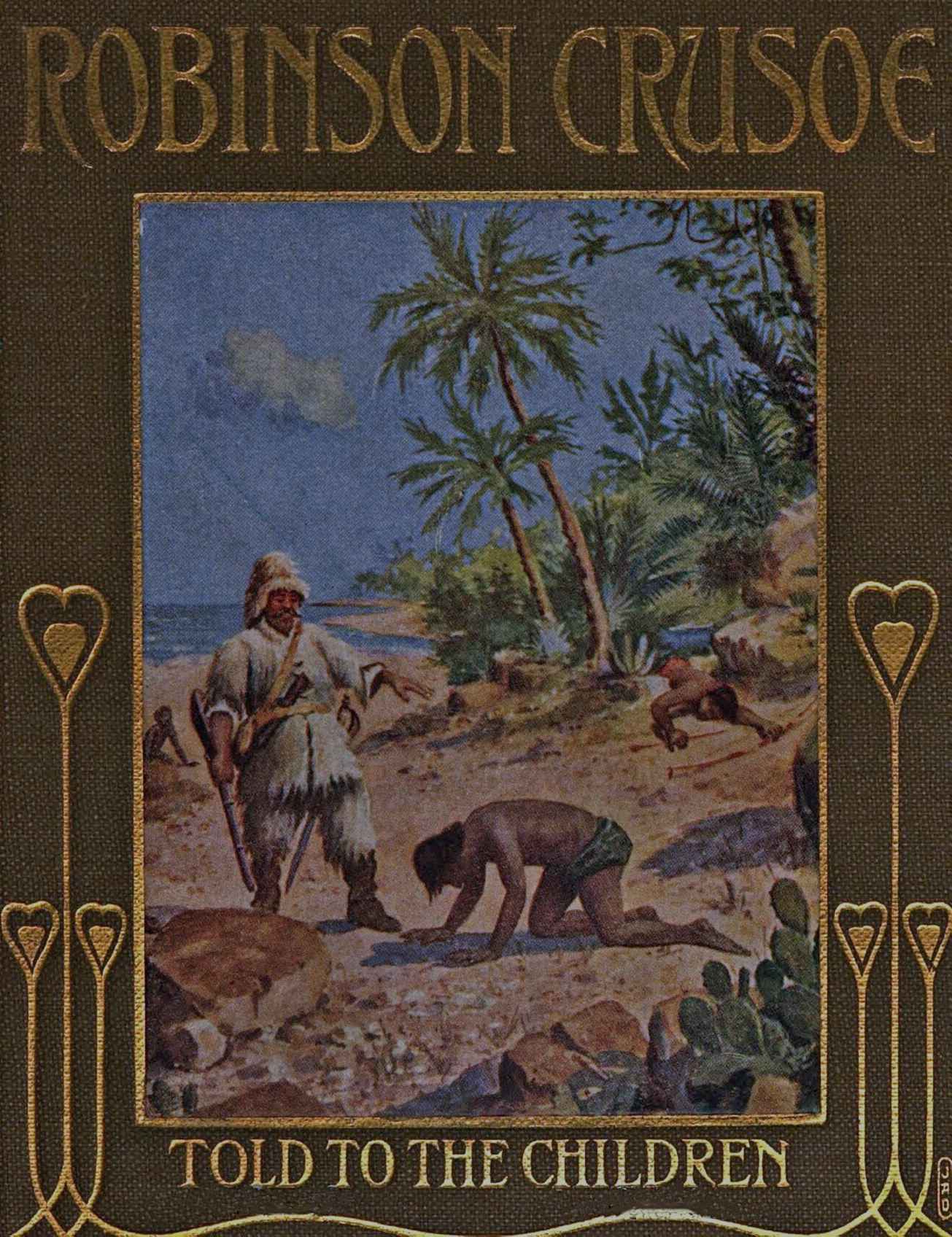
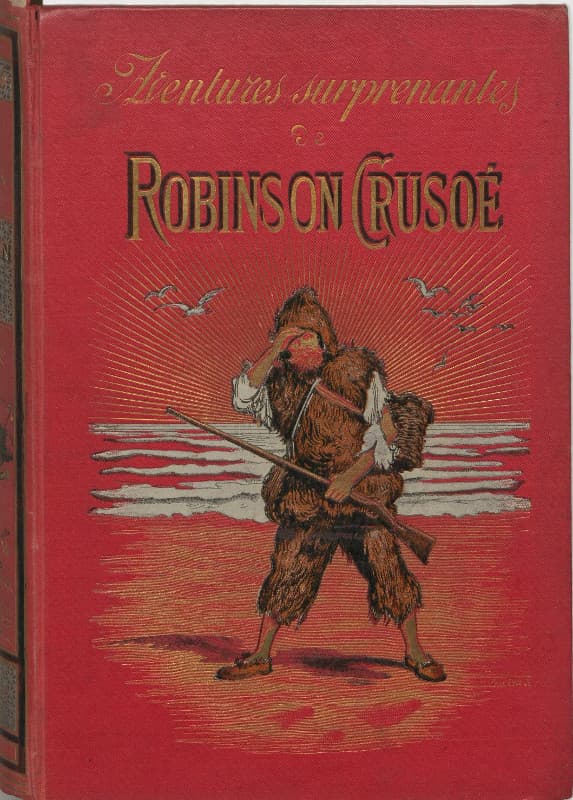
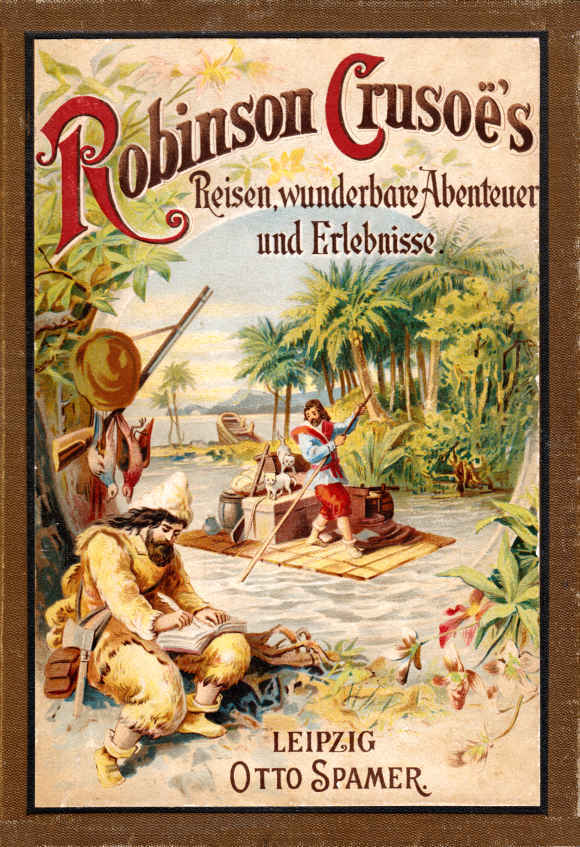
Robinsono Kruso, written by Daniel Defoe and first published in 1719, is a novel that chronicles the adventures of Robinson Crusoe, a castaway who survives for 28 years on a deserted island after a shipwreck. The narrative, presented as Crusoe's autobiography, explores themes of survival, self-discovery, and resilience in the face of isolation. Often regarded as one of the first English novels, it is credited with establishing the genre of realistic fiction and has inspired countless adaptations and imitations, known as Robinsonades. The story is believed to be influenced by the real-life experiences of Scottish castaway Alexander Selkirk.
Editions
X-Ray
“It is never too late to be wise.””
— Daniel Defoe
“Thus fear of danger is ten thousand times more terrifying than danger itself.””
— Daniel Defoe
“Those people cannot enjoy comfortably what God has given them because they see and covet what He has not given them. All of our discontents for what we want appear to me to spring from want of thankfulness for what we have.””
— Daniel Defoe
“Thus we never see the true state of our condition till it is illustrated to us by its contraries, nor know how to value what we enjoy, but by the want of it.””
— Daniel Defoe
“I have since often observed, how incongruous and irrational the common temper of mankind is, especially of youth ... that they are not ashamed to sin, and yet are ashamed to repent; not ashamed of the action for which they ought justly to be esteemed fools, but are ashamed of the returning, which only can make them be esteemed wise men.””
— Daniel Defoe
“I learned to look more upon the bright side of my condition, and less upon the dark side, and to consider what I enjoyed, rather than what I wanted : and this gave me sometimes such secret comforts, that I cannot express them ; and which I take notice of here, to put those discontented people in mind of it, who cannot enjoy comfortably what God has given them, because they see and covet something that he has not given them. All our discontents about what we want appeared to me to spring from the want of thankfulness for what we have.””
— Daniel Defoe
“Thus fear of danger is ten thousand times more terrifying than danger itself when apparent to the eyes ; and we find the burden of anxiety greater, by much, than the evil which we are anxious about : ...””
— Daniel Defoe
“It put me upon reflecting how little repining there would be among mankind at any condition of life, if people would rather compare their condition with those that were worse, in order to be thankful, than be always comparing them with those which are better, to assist their murmurings and complaining.””
— Daniel Defoe
“All our discontents about what we want appeared to me to spring from the want of thankfulness for what we have.””
— Daniel Defoe
Link to this book
Add a free, dofollow link to Lex on your blog, forum, syllabus, or reading list.

<a href="https://lex-books.com/book/robinsono-kruso-7922f473-bb06-4f27-aa3e-5882989718e0"><img src="https://lex-books.com/badges/read-on-lex.svg" alt="Read Robinsono Kruso by Daniel Defoe free on Lex" width="160" height="40"></a>[](https://lex-books.com/book/robinsono-kruso-7922f473-bb06-4f27-aa3e-5882989718e0)[url=https://lex-books.com/book/robinsono-kruso-7922f473-bb06-4f27-aa3e-5882989718e0][img]https://lex-books.com/badges/read-on-lex.svg[/img][/url]Read Robinsono Kruso by Daniel Defoe free on Lex: https://lex-books.com/book/robinsono-kruso-7922f473-bb06-4f27-aa3e-5882989718e0Cite this book
Reading this edition for a paper or guide? Copy a citation.
Defoe, Daniel. Robinsono Kruso. Lex, lex-books.com/book/robinsono-kruso-7922f473-bb06-4f27-aa3e-5882989718e0.Defoe, D. (1719). Robinsono Kruso. Lex. https://lex-books.com/book/robinsono-kruso-7922f473-bb06-4f27-aa3e-5882989718e0Defoe, Daniel. Robinsono Kruso. Lex. https://lex-books.com/book/robinsono-kruso-7922f473-bb06-4f27-aa3e-5882989718e0.