The Life and Most Surprising Adventures of Robinson Crusoe, of York, Mariner (1801)
1719
The Life and Most Surprising Adventures of Robinson Crusoe, of York, Mariner (1801)
1719
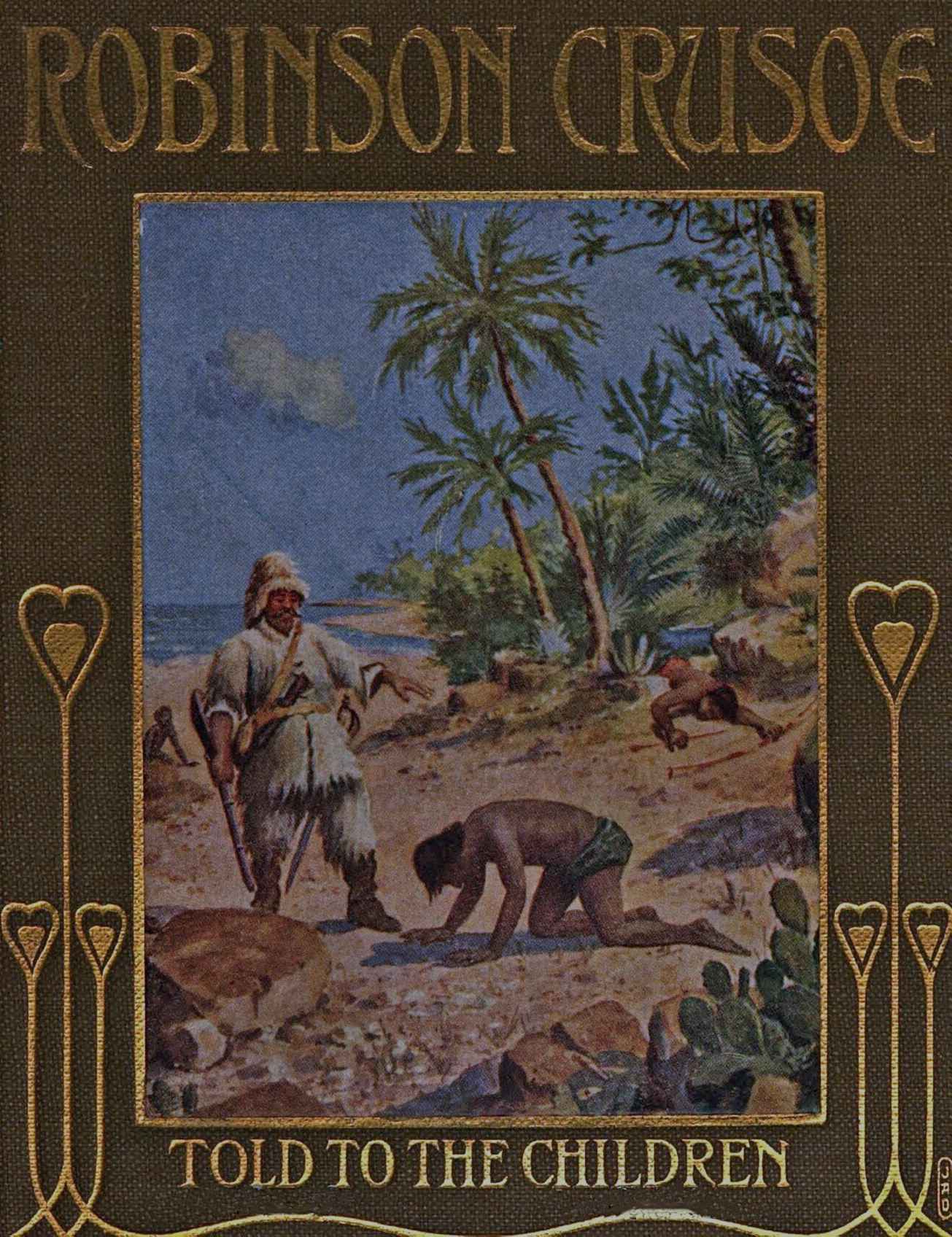
At seventeen, Robinson Crusoe ignores his father's wisdom and chooses the sea. What follows is a cascade of fortune and catastrophe that leaves him alone on an uninhabited island, the sole survivor of a shipwreck. For twenty-eight years he builds a life from nothing: shelter, goat herds, bread from grain, a kingdom of his own making. But this is no simple survival tale. Defoe embeds within Crusoe's ordeal a profound reckoning with providence, labor, and what it means to be a man cast entirely upon his own resources. The novel that invented the castaway story also invented the modern sense of self-sufficiency, for better and worse. It endures because Crusoe's voice feels utterly immediate, a man talking directly to you from his island, keeping his accounts and numbering his days. This is the ur-text of survival fiction, a book that has been read as spiritual allegory, colonial fable, and capitalist manifesto.
Editions
Link to this book
Add a free, dofollow link to Lex on your blog, forum, syllabus, or reading list.

<a href="https://lex-books.com/book/the-life-and-most-surprising-adventures-of-robinson-crusoe-of-york-mariner-1801-eb925b14-02c3-45c7-b146-8e7d9eb031a1"><img src="https://lex-books.com/badges/read-on-lex.svg" alt="Read The Life and Most Surprising Adventures of Robinson Crusoe, of York, Mariner (1801) by Daniel Defoe free on Lex" width="160" height="40"></a>[](https://lex-books.com/book/the-life-and-most-surprising-adventures-of-robinson-crusoe-of-york-mariner-1801-eb925b14-02c3-45c7-b146-8e7d9eb031a1)[url=https://lex-books.com/book/the-life-and-most-surprising-adventures-of-robinson-crusoe-of-york-mariner-1801-eb925b14-02c3-45c7-b146-8e7d9eb031a1][img]https://lex-books.com/badges/read-on-lex.svg[/img][/url]Read The Life and Most Surprising Adventures of Robinson Crusoe, of York, Mariner (1801) by Daniel Defoe free on Lex: https://lex-books.com/book/the-life-and-most-surprising-adventures-of-robinson-crusoe-of-york-mariner-1801-eb925b14-02c3-45c7-b146-8e7d9eb031a1Cite this book
Reading this edition for a paper or guide? Copy a citation.
Defoe, Daniel. The Life and Most Surprising Adventures of Robinson Crusoe, of York, Mariner (1801). Lex, lex-books.com/book/the-life-and-most-surprising-adventures-of-robinson-crusoe-of-york-mariner-1801-eb925b14-02c3-45c7-b146-8e7d9eb031a1.Defoe, D. (1719). The Life and Most Surprising Adventures of Robinson Crusoe, of York, Mariner (1801). Lex. https://lex-books.com/book/the-life-and-most-surprising-adventures-of-robinson-crusoe-of-york-mariner-1801-eb925b14-02c3-45c7-b146-8e7d9eb031a1Defoe, Daniel. The Life and Most Surprising Adventures of Robinson Crusoe, of York, Mariner (1801). Lex. https://lex-books.com/book/the-life-and-most-surprising-adventures-of-robinson-crusoe-of-york-mariner-1801-eb925b14-02c3-45c7-b146-8e7d9eb031a1.