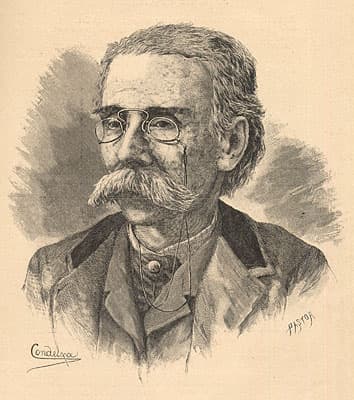
Camilo Castelo Branco
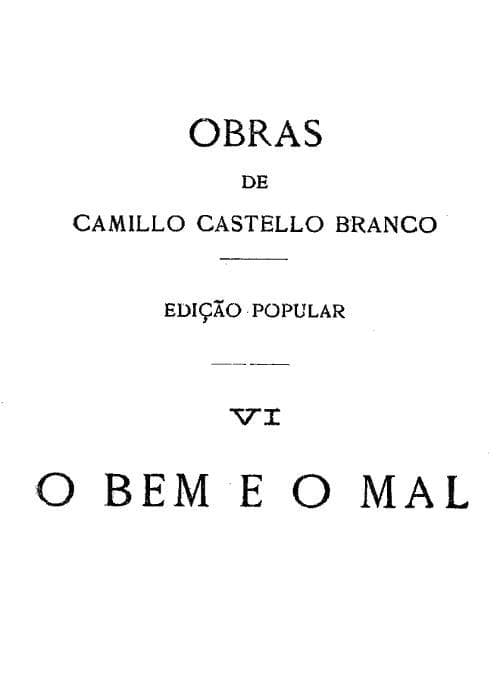
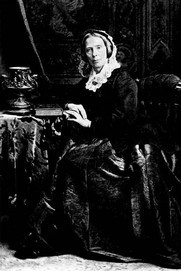
Camilo Castelo Branco was a prolific Portuguese writer of the 19th century, known for his extensive body of work that includes over 260 novels, plays, and essays. His writing is characterized by a unique blend of Romanticism infused with sarcasm, bitterness, and dark humor, reflecting his tumultuous life. Branco's narratives often focus on local themes and picturesque settings, positioning him as a significant figure in Portuguese literature. He is frequently contrasted with his contemporary Eça de Queiroz, whose Realist approach provided a counterpoint to Branco's Romantic sensibilities. This literary rivalry, termed the 'literary guerrilla,' highlights the duality of 19th-century Portuguese literature, showcasing the tension between Romanticism and Realism. Branco's works, such as "Amor de Perdição" and "O Príncipe de Laodiceia," exemplify his dramatic and sentimental style, while also revealing his conservative and traditionalist views. His life was marked by personal struggles, including controversies surrounding his political affiliations and his alleged involvement in Freemasonry. Despite these complexities, Branco's literary contributions have left a lasting impact on Portuguese literature, establishing him as a key figure whose works continue to be studied and appreciated for their emotional depth and innovative narrative techniques.
Famous Quotes
View all 20 quotes“A felicidade é parecida com a liberdade, porque toda a gente fala nela e ninguém a goza.””
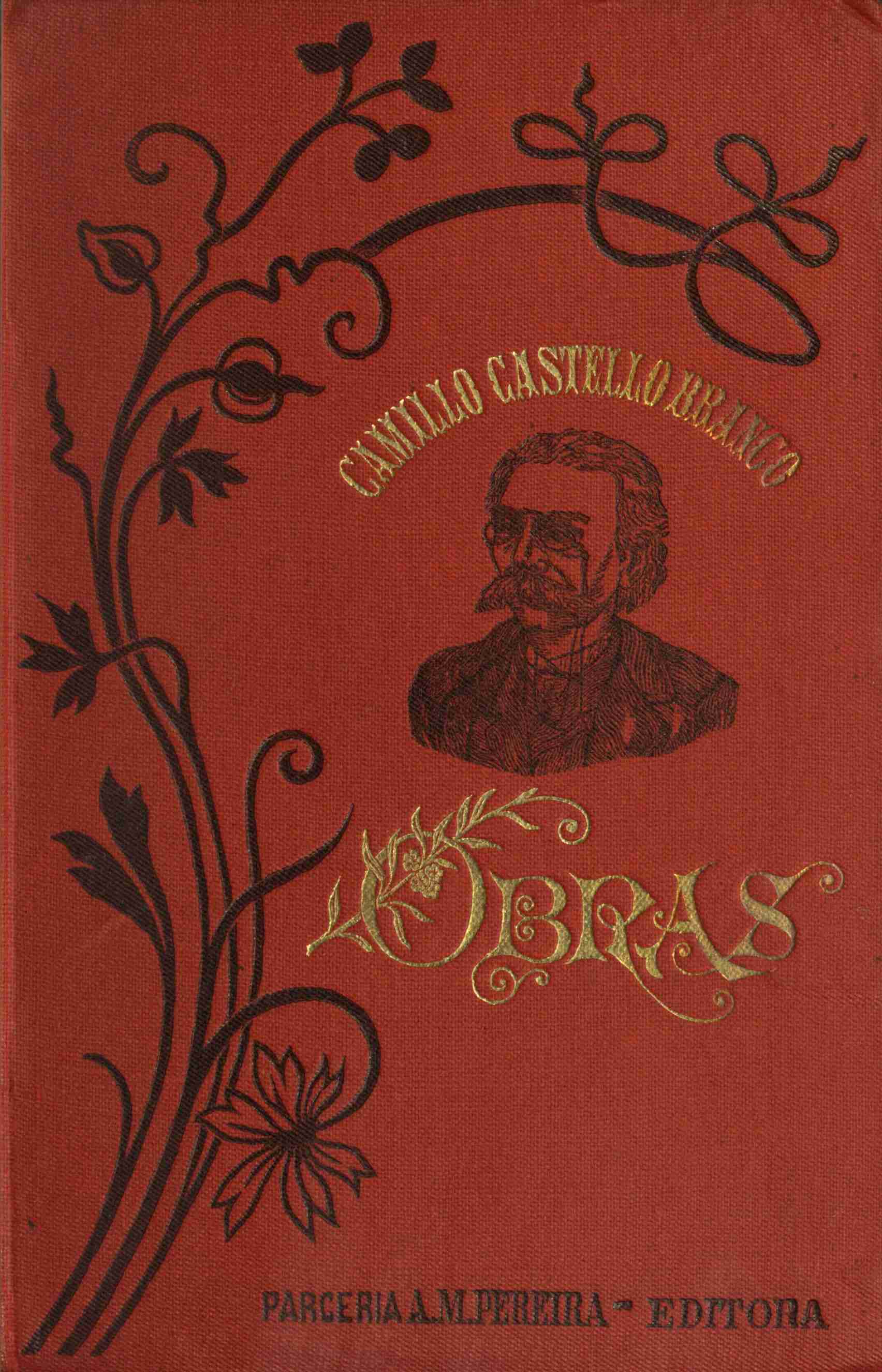
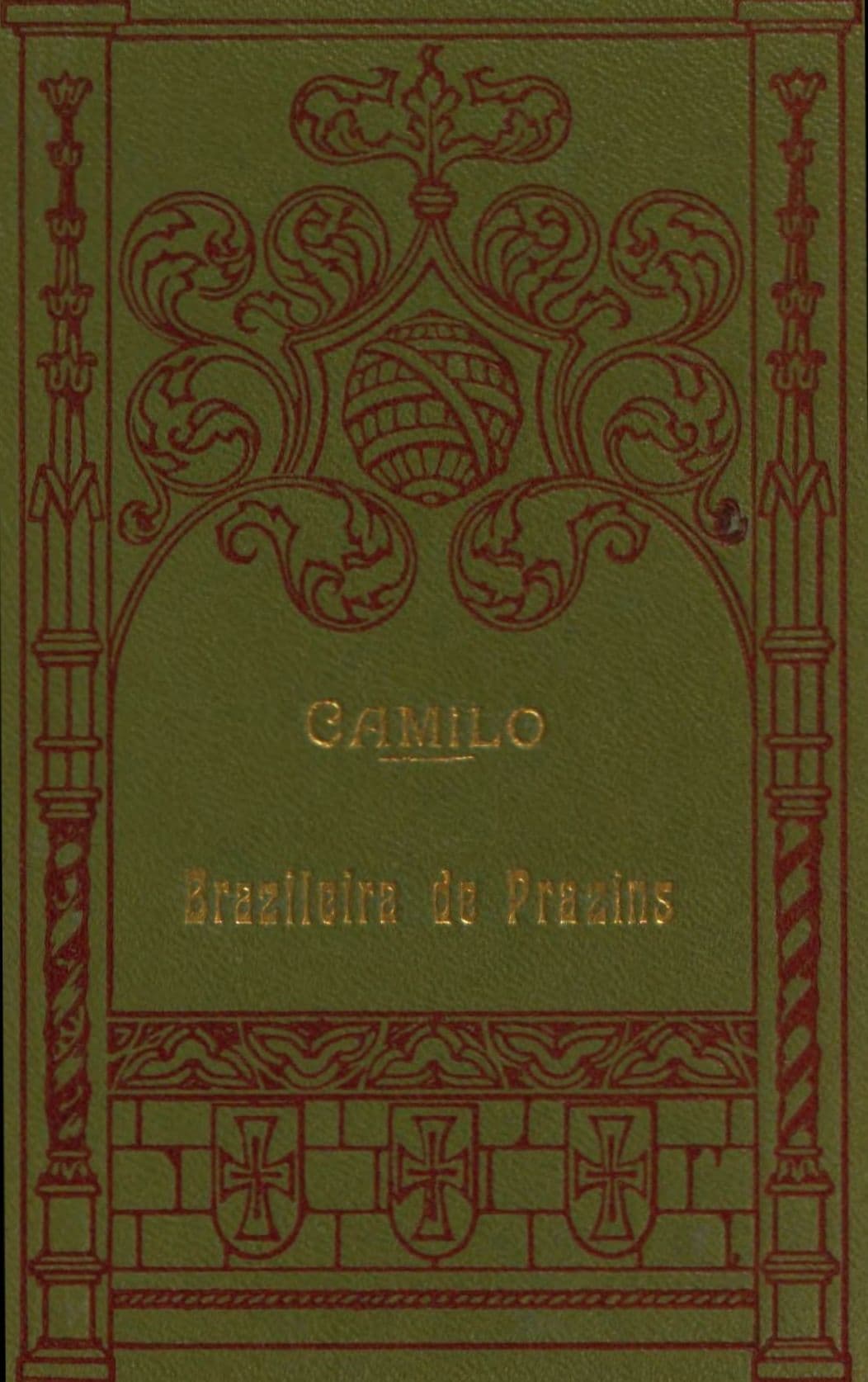
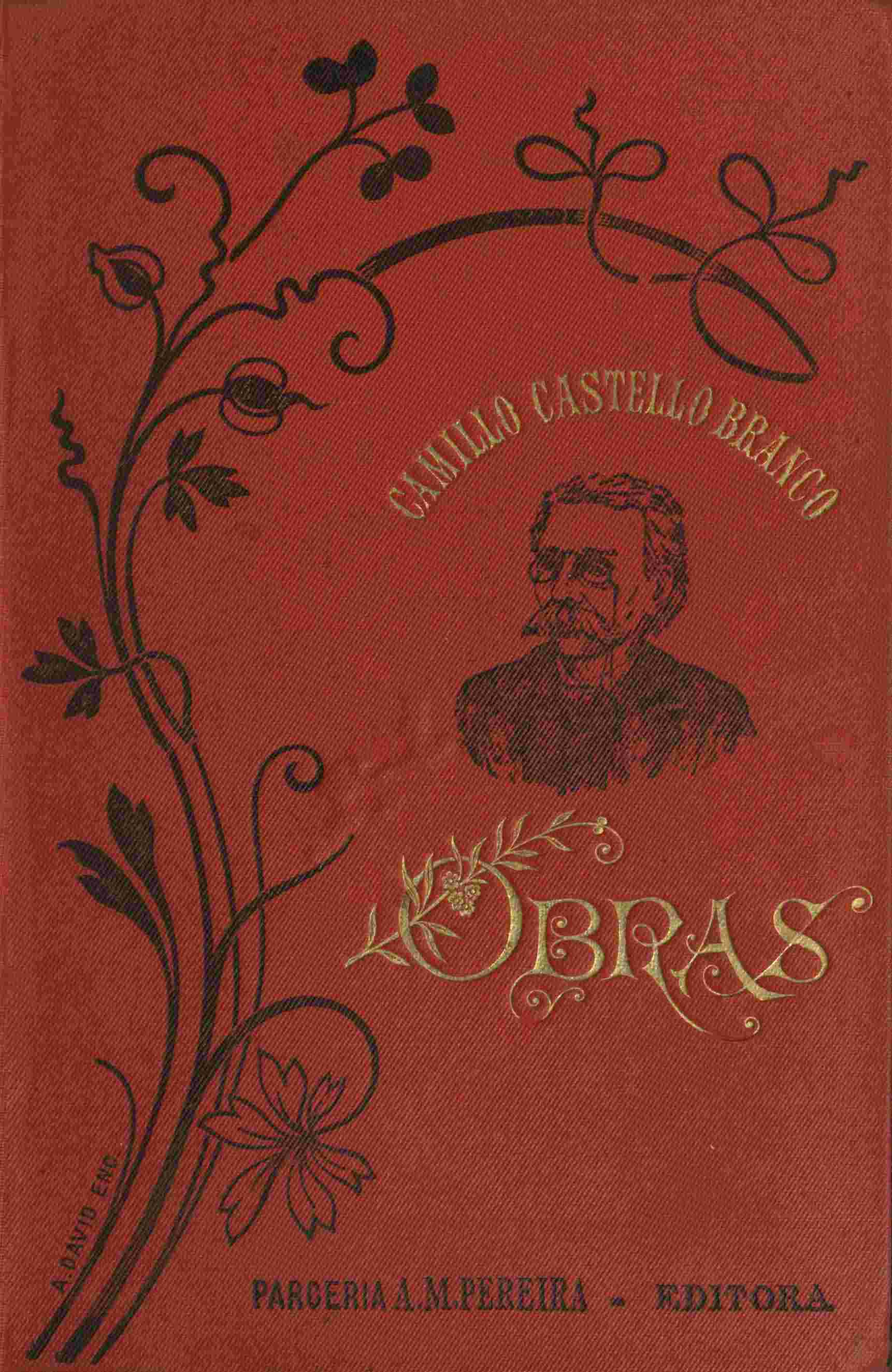
Books from the author




Link to this page
Add a free, dofollow link to Lex on your blog, forum, syllabus, or reading list.

<a href="https://lex-books.com/author/camilo-castelo-branco"><img src="https://lex-books.com/badges/read-on-lex.svg" alt="Camilo Castelo Branco on Lex" width="160" height="40"></a>[](https://lex-books.com/author/camilo-castelo-branco)[url=https://lex-books.com/author/camilo-castelo-branco][img]https://lex-books.com/badges/read-on-lex.svg[/img][/url]Camilo Castelo Branco on Lex: https://lex-books.com/author/camilo-castelo-branco