
Boethius
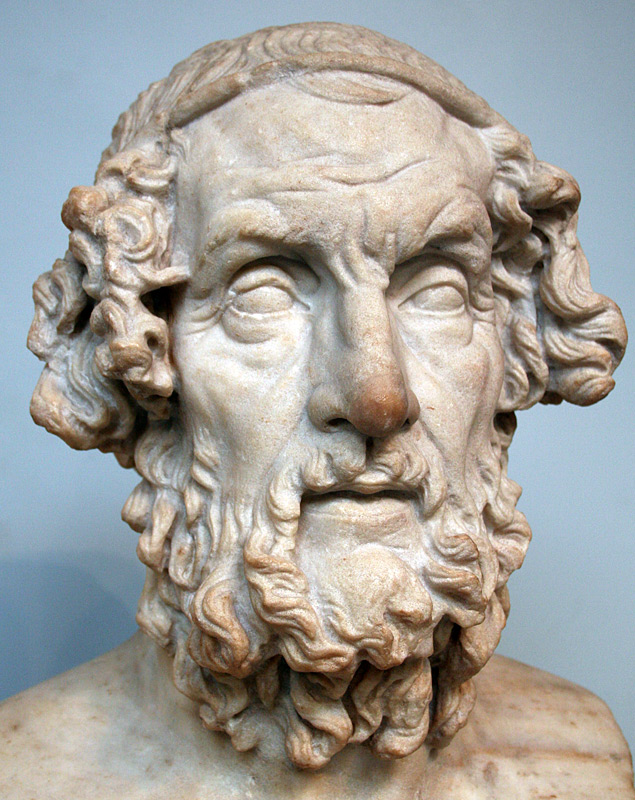
Anicius Manlius Severinus Boethius was a prominent Roman senator and philosopher of the Early Middle Ages, known for his significant contributions to philosophy and the translation of Greek classics into Latin. His most famous work, 'The Consolation of Philosophy,' written during his imprisonment, explores themes of fortune, happiness, and the nature of God, blending classical philosophy with Christian thought. This text not only influenced medieval philosophy but also laid the groundwork for the Scholastic movement that would emerge in the following centuries. Boethius's role as a scholar was pivotal in preserving and transmitting ancient philosophical ideas to the Latin-speaking world. His efforts in translating and interpreting the works of Aristotle and Plato made him a key figure in the intellectual landscape of the 6th century. Despite his tragic end, executed on charges of treason, Boethius's legacy endured, as his writings continued to be studied and revered throughout the Middle Ages and into the Renaissance, solidifying his status as a foundational thinker in Western philosophy.
Famous Quotes
View all 19 quotes“Nothing is miserable unless you think it so; and on the other hand, nothing brings happiness unless you are content with it.””
“Nunc fluens facit tempus,nunc stans facit aeternitatum.(The now that passes produces time, the now that remains produces eternity.)””
Books from the author






Link to this page
Add a free, dofollow link to Lex on your blog, forum, syllabus, or reading list.

<a href="https://lex-books.com/author/boethius"><img src="https://lex-books.com/badges/read-on-lex.svg" alt="Boethius on Lex" width="160" height="40"></a>[](https://lex-books.com/author/boethius)[url=https://lex-books.com/author/boethius][img]https://lex-books.com/badges/read-on-lex.svg[/img][/url]Boethius on Lex: https://lex-books.com/author/boethius