The Consolation of Philosophy
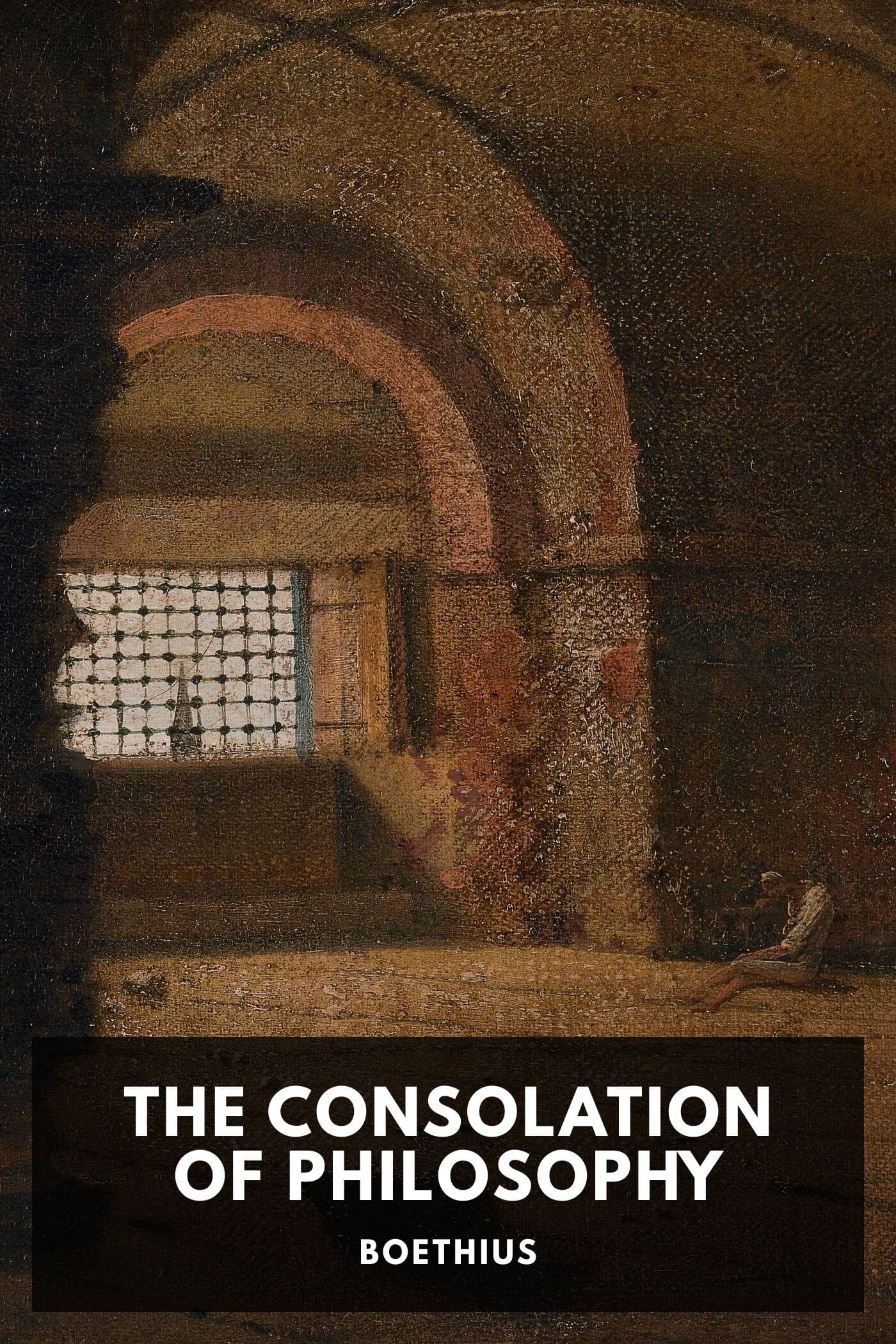
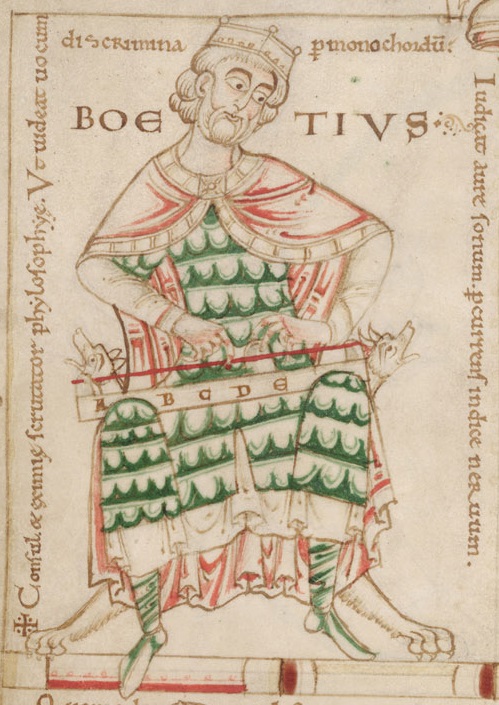
Imprisoned and facing execution, the Roman statesman and scholar Boethius finds himself in a profound dialogue with Lady Philosophy. Stripped of his honors and contemplating his unjust fate, Boethius is led by Philosophy through a series of Socratic arguments designed to cure his despair. Their conversations delve into the nature of fortune, the pursuit of true happiness, the intricate dance between fate and divine providence, and the perennial question of free will in the face of an omniscient God. Written in a unique prosimetrical style, alternating between prose and verse, this work chronicles Boethius's intellectual journey from lamentation to a rational acceptance of the universe's order. "The Consolation of Philosophy" isn't merely a philosophical treatise; it's a profound exploration of human suffering and the limits of reason, penned by a man at the precipice of death. Its enduring power lies in its timeless questions about happiness, the meaning of adversity, and the very purpose of philosophy itself. This "golden volume," as Gibbon called it, has captivated minds from King Alfred to Chaucer, sparking centuries of debate on its Christian undertones and its nuanced blend of poetry and logic. It remains a powerful testament to the human spirit's quest for understanding in the face of ultimate despair, offering a unique window into the intellectual crossroads of the classical and medieval worlds.
Editions


X-Ray
A Roman philosopher and statesman imprisoned and facing execution, who serves as the narrator. He begins in despair over his unjust fall from fortune but gradually learns wisdom through dialogue with Philosophy.
A divine feminine figure who appears to Boethius as his teacher and guide. She represents wisdom personified and leads him through reasoned discourse to understand true happiness and divine providence.
The Ostrogothic king of Italy who ordered Boethius's imprisonment and execution. Though rarely appearing directly, he represents the earthly power that has caused Boethius's downfall.
Boethius's father-in-law and adoptive father, described as a man of saintly character. He represents virtue and is mentioned as still living and safe.
About The Consolation of Philosophy
Chapter Summaries
- Book I
- Boethius laments his fall from fortune and unjust imprisonment. Philosophy appears, drives away the Muses of Poetry, and begins to diagnose his spiritual ailment, identifying that he has forgotten his true nature and the principles governing the world.
- Book II
- Philosophy explains Fortune's nature as inherently changeable and argues that external goods like wealth, power, and fame cannot provide true happiness. She demonstrates that Fortune's apparent cruelty actually serves to distinguish true friends from false ones.
- Book III
- Philosophy systematically examines why worldly goods fail to satisfy, then reveals that true happiness is found in God, who is the supreme good. She proves that God is happiness itself and that the good become gods by participation in the divine nature.
Key Themes
- The Nature of True Happiness
- Philosophy demonstrates that true happiness cannot be found in external goods like wealth, power, or fame, but only in the supreme good, which is God. Earthly pleasures are fleeting and ultimately unsatisfying.
- Divine Providence vs. Human Free Will
- The work grapples with how God's foreknowledge can coexist with human freedom of choice. Philosophy argues that God's eternal perspective allows Him to see all time as present without negating human agency.
- The Problem of Evil
- Boethius questions why evil exists and prospers under divine rule. Philosophy responds that evil is ultimately powerless and that apparent injustices serve higher purposes in God's providential plan.
Characters
- Boethius(protagonist)
- A Roman philosopher and statesman imprisoned and facing execution, who serves as the narrator. He begins in despair over his unjust fall from fortune but gradually learns wisdom through dialogue with Philosophy.
- Philosophy(major)
- A divine feminine figure who appears to Boethius as his teacher and guide. She represents wisdom personified and leads him through reasoned discourse to understand true happiness and divine providence.
- Theodoric(antagonist)
- The Ostrogothic king of Italy who ordered Boethius's imprisonment and execution. Though rarely appearing directly, he represents the earthly power that has caused Boethius's downfall.
- Symmachus(minor)
- Boethius's father-in-law and adoptive father, described as a man of saintly character. He represents virtue and is mentioned as still living and safe.
- Rusticiana(minor)
- Boethius's wife, praised for her virtue and modesty. She grieves for her husband's imprisonment and represents the personal cost of his fall.
- The Muses of Poetry(minor)
- Personifications of poetic inspiration who initially comfort Boethius in his grief but are driven away by Philosophy as offering false consolation.
Link to this book
Add a free, dofollow link to Lex on your blog, forum, syllabus, or reading list.

<a href="https://lex-books.com/book/the-consolation-of-philosophy-e5709ca1-1d3b-48ad-ba5f-834f9fd6c7d4"><img src="https://lex-books.com/badges/read-on-lex.svg" alt="Read The Consolation of Philosophy by Boethius free on Lex" width="160" height="40"></a>[](https://lex-books.com/book/the-consolation-of-philosophy-e5709ca1-1d3b-48ad-ba5f-834f9fd6c7d4)[url=https://lex-books.com/book/the-consolation-of-philosophy-e5709ca1-1d3b-48ad-ba5f-834f9fd6c7d4][img]https://lex-books.com/badges/read-on-lex.svg[/img][/url]Read The Consolation of Philosophy by Boethius free on Lex: https://lex-books.com/book/the-consolation-of-philosophy-e5709ca1-1d3b-48ad-ba5f-834f9fd6c7d4Cite this book
Reading this edition for a paper or guide? Copy a citation.
Boethius. The Consolation of Philosophy. Lex, lex-books.com/book/the-consolation-of-philosophy-e5709ca1-1d3b-48ad-ba5f-834f9fd6c7d4.Boethius (n.d.). The Consolation of Philosophy. Lex. https://lex-books.com/book/the-consolation-of-philosophy-e5709ca1-1d3b-48ad-ba5f-834f9fd6c7d4Boethius. The Consolation of Philosophy. Lex. https://lex-books.com/book/the-consolation-of-philosophy-e5709ca1-1d3b-48ad-ba5f-834f9fd6c7d4.