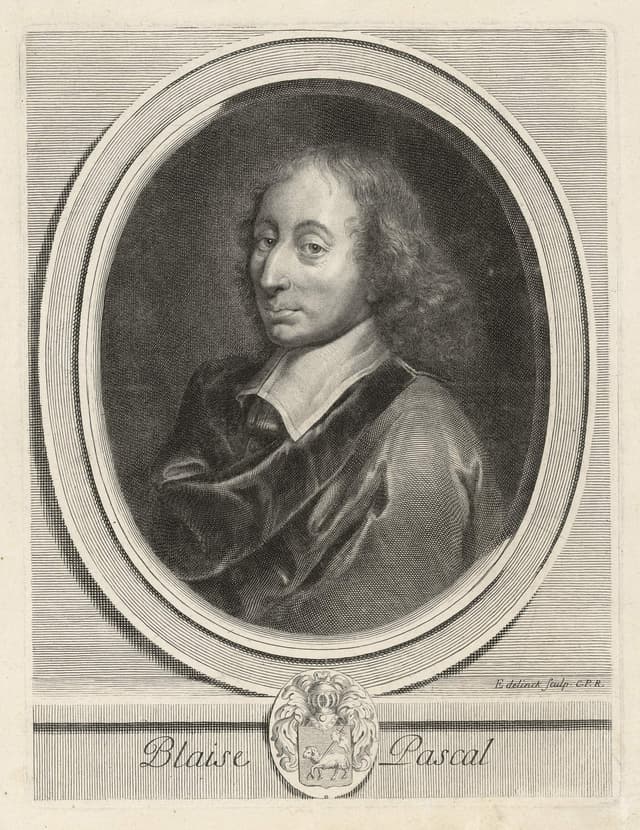
Blaise Pascal
Blaise Pascal was a multifaceted French thinker whose contributions spanned mathematics, physics, philosophy, and theology. A child prodigy, he was educated by his father and made significant strides in mathematics from a young age, notably producing a treatise on conic sections by the age of 16. His correspondence with Pierre de Fermat laid the groundwork for probability theory, which would later influence modern economics and social science. Pascal also invented the mechanical calculator, known as Pascal's calculator or Pascaline, marking him as one of the pioneers of computing technology. In addition to his mathematical achievements, Pascal made substantial contributions to the natural sciences, particularly in the study of fluids. He clarified the concepts of pressure and vacuum, challenging the prevailing Aristotelian views of his time. His work led to the establishment of the SI unit of pressure, named in his honor. Later in life, Pascal turned his focus to philosophy and theology, producing the influential work "Pensées," which explored the human condition and the relationship between faith and reason. His legacy endures through his innovative ideas and his profound impact on both the scientific and philosophical landscapes.
Famous Quotes
View all 19 quotes“The heart has its reasons which reason knows not.””
“I have only made this letter longer because I have not had the time to make it shorter."(, 1657)””
Books from the author
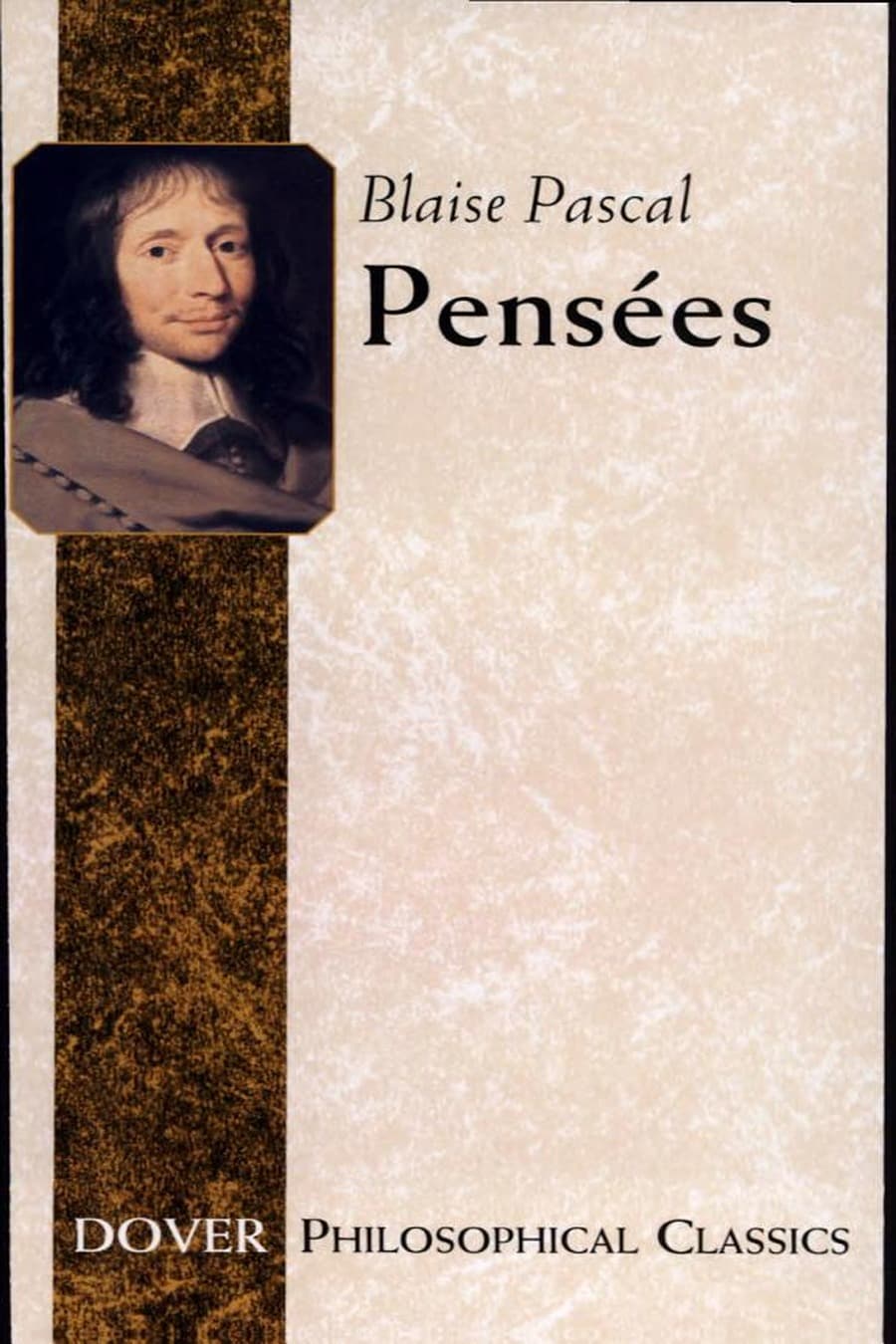


Link to this page
Add a free, dofollow link to Lex on your blog, forum, syllabus, or reading list.

<a href="https://lex-books.com/author/blaise-pascal"><img src="https://lex-books.com/badges/read-on-lex.svg" alt="Blaise Pascal on Lex" width="160" height="40"></a>[](https://lex-books.com/author/blaise-pascal)[url=https://lex-books.com/author/blaise-pascal][img]https://lex-books.com/badges/read-on-lex.svg[/img][/url]Blaise Pascal on Lex: https://lex-books.com/author/blaise-pascal