Albert Leffingwell
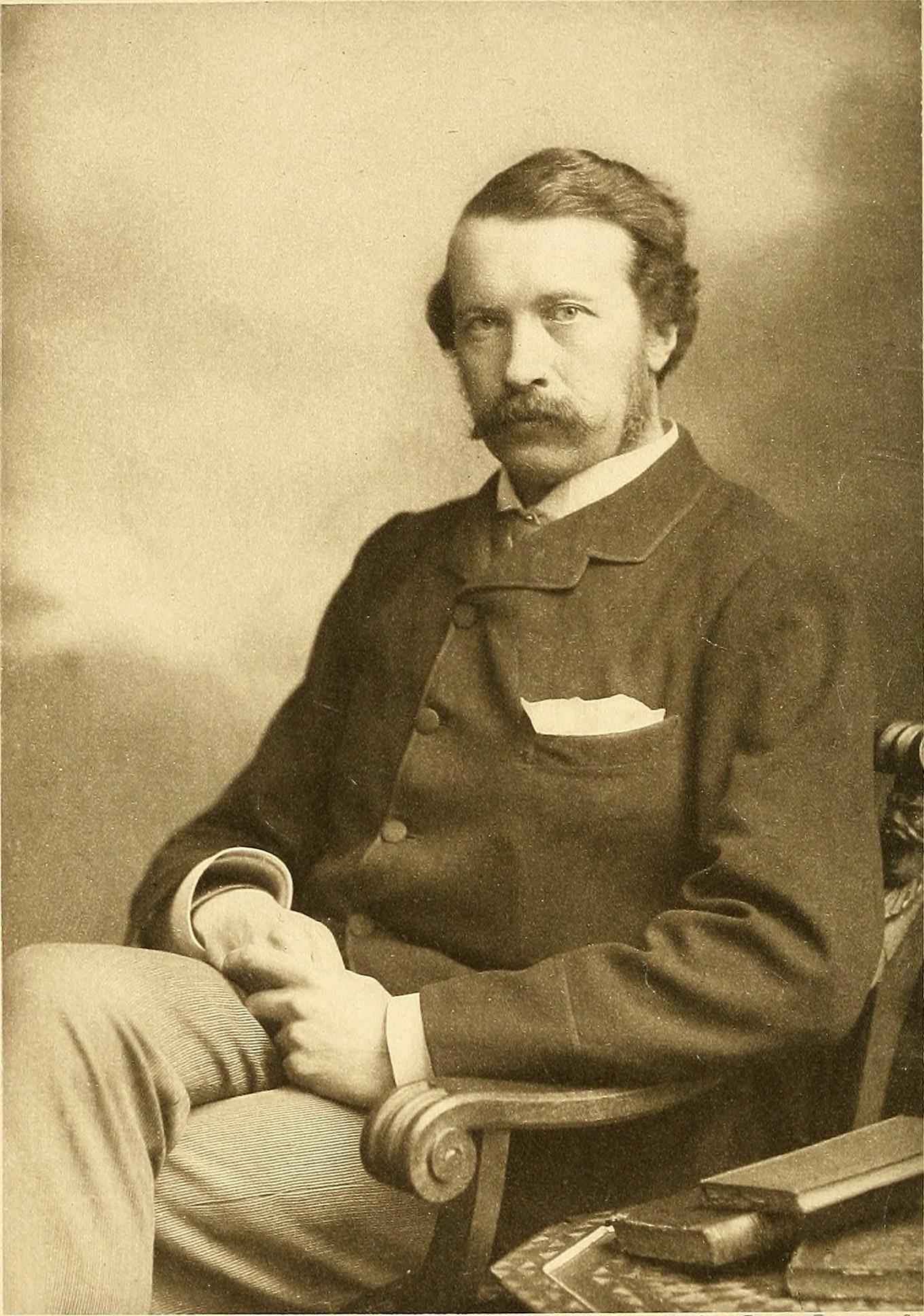
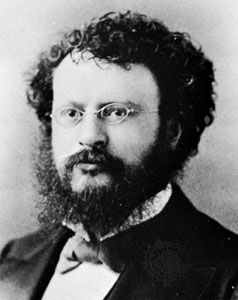
Albert Tracy Leffingwell was an influential American physician and social reformer known for his passionate advocacy for vivisection reform. Born in 1845, he dedicated much of his life to addressing ethical concerns surrounding animal experimentation, arguing for more humane treatment of animals in scientific research. Leffingwell's work was significant during a time when the practice of vivisection was largely unregulated, and his efforts contributed to the growing movement for animal rights and welfare in the early 20th century. In addition to his reformist activities, Leffingwell was a prolific writer, producing numerous articles and essays that highlighted the moral implications of vivisection. His notable publications include 'The Ethics of Vivisection' and 'The Case Against Vivisection,' which articulated his views and rallied support for legislative changes. Through his writings and public speaking, he sought to educate both the medical community and the general public about the need for ethical considerations in scientific practices. Leffingwell's legacy endures in the ongoing discussions about animal rights and the ethical responsibilities of researchers.
Books from the author


Link to this page
Add a free, dofollow link to Lex on your blog, forum, syllabus, or reading list.

<a href="https://lex-books.com/author/albert-leffingwell"><img src="https://lex-books.com/badges/read-on-lex.svg" alt="Albert Leffingwell on Lex" width="160" height="40"></a>[](https://lex-books.com/author/albert-leffingwell)[url=https://lex-books.com/author/albert-leffingwell][img]https://lex-books.com/badges/read-on-lex.svg[/img][/url]Albert Leffingwell on Lex: https://lex-books.com/author/albert-leffingwell