
Elias Lönnrot
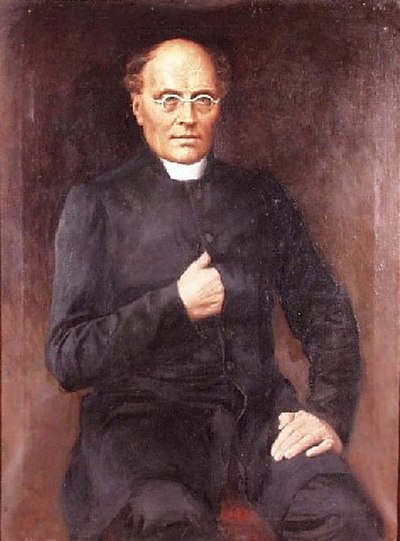
Elias Lönnrot was a Finnish physician, philologist, and folklorist, best known for his pivotal role in the collection and preservation of Finnish oral traditions. Born in 1802, he embarked on extensive travels throughout Finland and Karelia, gathering folk songs, tales, and poetry that would later form the backbone of Finnish national identity. His most significant work, the 'Kalevala,' first published in 1835, is an epic poem that synthesizes these folk elements into a cohesive narrative, celebrating the mythology and culture of the Finnish people. This monumental work not only established Lönnrot as a key figure in Finnish literature but also inspired a national awakening in Finland, influencing writers and artists for generations to come. In addition to the 'Kalevala,' Lönnrot contributed to the preservation of Finnish folklore through various collections such as 'Suomen Kansan Muinaisia Loitsurunoja' and 'Kansanlauluja.' His scholarly pursuits extended beyond folklore; he also wrote essays and translations, as seen in 'Elias Lönnrots Svenska Skrifter.' Lönnrot's dedication to documenting and celebrating Finnish culture has left a lasting legacy, making him a foundational figure in the Finnish literary canon and a symbol of national pride. His work not only shaped the understanding of Finnish folklore but also played a crucial role in the development of a distinct Finnish literary voice in the 19th century.
Famous Quotes
View all 10 quotes“Words shall not be hidnor spells buriedmight shall not sink undergroundthough the mighty go.””
“Once to swim I sought the sea-side,There to sport among the billows;With the stone of many colorsSank poor Aino to the bottomOf the deep and boundless blue-sea,Like a pretty son-bird, perished.Never come a-fishing, father,To the borders of these waters,Never during all thy life-time,As thou lovest daughter Aino.Mother dear, I sought the sea-side,There to sport among the billows;With the stone of many colors,Sank poor Aino to the bottomOf the deep and boundless blue-sea,Like a pretty song-bird perished.Never mix thy bread, dear mother,With the blue-sea's foam and waters,Never during all thy life-time,As thou lovest daughter Aino.Brother dear, I sought the sea-side,There to sport among the billows;With the stone of many colorsSank poor Aino to the bottomOf the deep and boundless blue-sea,Like a pretty song-bird perished.Never bring thy prancing war-horse,Never bring thy royal racer,Never bring thy steeds to water,To the borders of the blue-sea,Never during all thy life-time,As thou lovest sister Aino.Sister dear, I sought the sea-side,There to sport among the billows;With the stone of many colorsSank poor Aino to the bottomOf the deep and boundless blue-sea,Like a pretty song-bird perished.Never come to lave thine eyelidsIn this rolling wave and sea-foam,Never during all thy life-time,As thou lovest sister Aino.All the waters in the blue-seaShall be blood of Aino's body;All the fish that swim these watersShall be Aino's flesh forever;All the willows on the sea-sideShall be Aino's ribs hereafter;All the sea-grass on the marginWill have grown from Aino's tresses.””
“For this I weep all my daysand throughout my lifetime grievethat I swam from my own landsand came from familiar lands towards these strange doors to these foreign gates.””
Books from the author


Link to this page
Add a free, dofollow link to Lex on your blog, forum, syllabus, or reading list.

<a href="https://lex-books.com/author/elias-lönnrot"><img src="https://lex-books.com/badges/read-on-lex.svg" alt="Elias Lönnrot on Lex" width="160" height="40"></a>[](https://lex-books.com/author/elias-lönnrot)[url=https://lex-books.com/author/elias-lönnrot][img]https://lex-books.com/badges/read-on-lex.svg[/img][/url]Elias Lönnrot on Lex: https://lex-books.com/author/elias-lönnrot