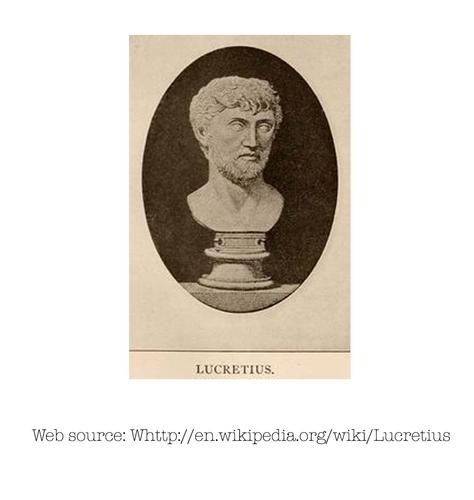
Titus Lucretius Carus
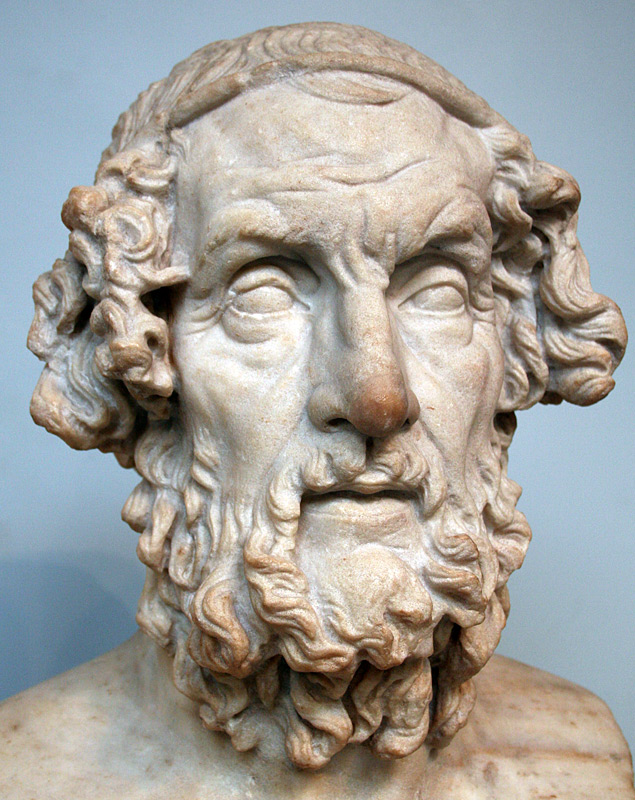
Titus Lucretius Carus was a Roman poet and philosopher, best known for his epic poem 'De Rerum Natura' ('On the Nature of Things'). This work, composed in six books, is a profound exploration of Epicurean philosophy, which emphasizes the pursuit of happiness through the understanding of nature and the rejection of superstition. Lucretius sought to explain the universe through the lens of atomism, arguing that everything is composed of tiny, indivisible particles. His poetic treatment of scientific concepts was groundbreaking for its time, blending philosophy with a lyrical style that made complex ideas more accessible. Lucretius's influence extended beyond his lifetime, shaping the thoughts of later philosophers and scientists during the Renaissance and the Enlightenment. His ideas on the nature of the universe, the role of chance, and the importance of sensory experience laid the groundwork for modern scientific thought. Despite the fragmentary nature of his work and the challenges he faced in a society steeped in superstition and religious dogma, Lucretius's legacy endures as a cornerstone of materialist philosophy and a testament to the power of poetry to convey profound truths about existence.
Famous Quotes
View all 18 quotes“All religions are equally sublime to the ignorant, useful to the politician, and ridiculous to the philosopher.””
“There is nothing that exists so great or marvelous that over time mankind does not admire it less and less.””
“To fear death, then, is foolish, since death is the final and complete annihilation of personal identity, the ultimate release from anxiety and pain.””
Books from the author
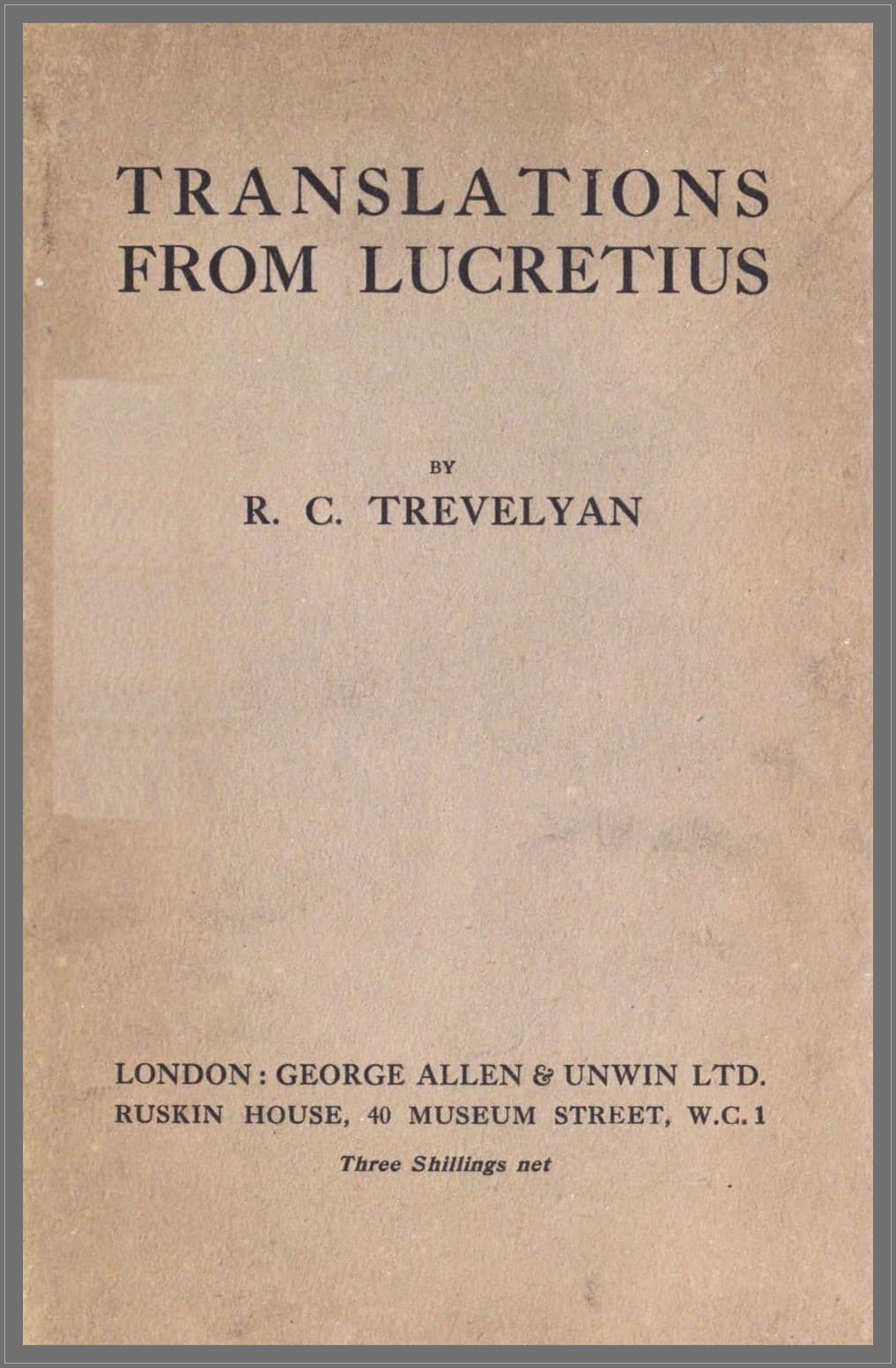






Link to this page
Add a free, dofollow link to Lex on your blog, forum, syllabus, or reading list.

<a href="https://lex-books.com/author/titus-lucretius-carus"><img src="https://lex-books.com/badges/read-on-lex.svg" alt="Titus Lucretius Carus on Lex" width="160" height="40"></a>[](https://lex-books.com/author/titus-lucretius-carus)[url=https://lex-books.com/author/titus-lucretius-carus][img]https://lex-books.com/badges/read-on-lex.svg[/img][/url]Titus Lucretius Carus on Lex: https://lex-books.com/author/titus-lucretius-carus