The Eumenides
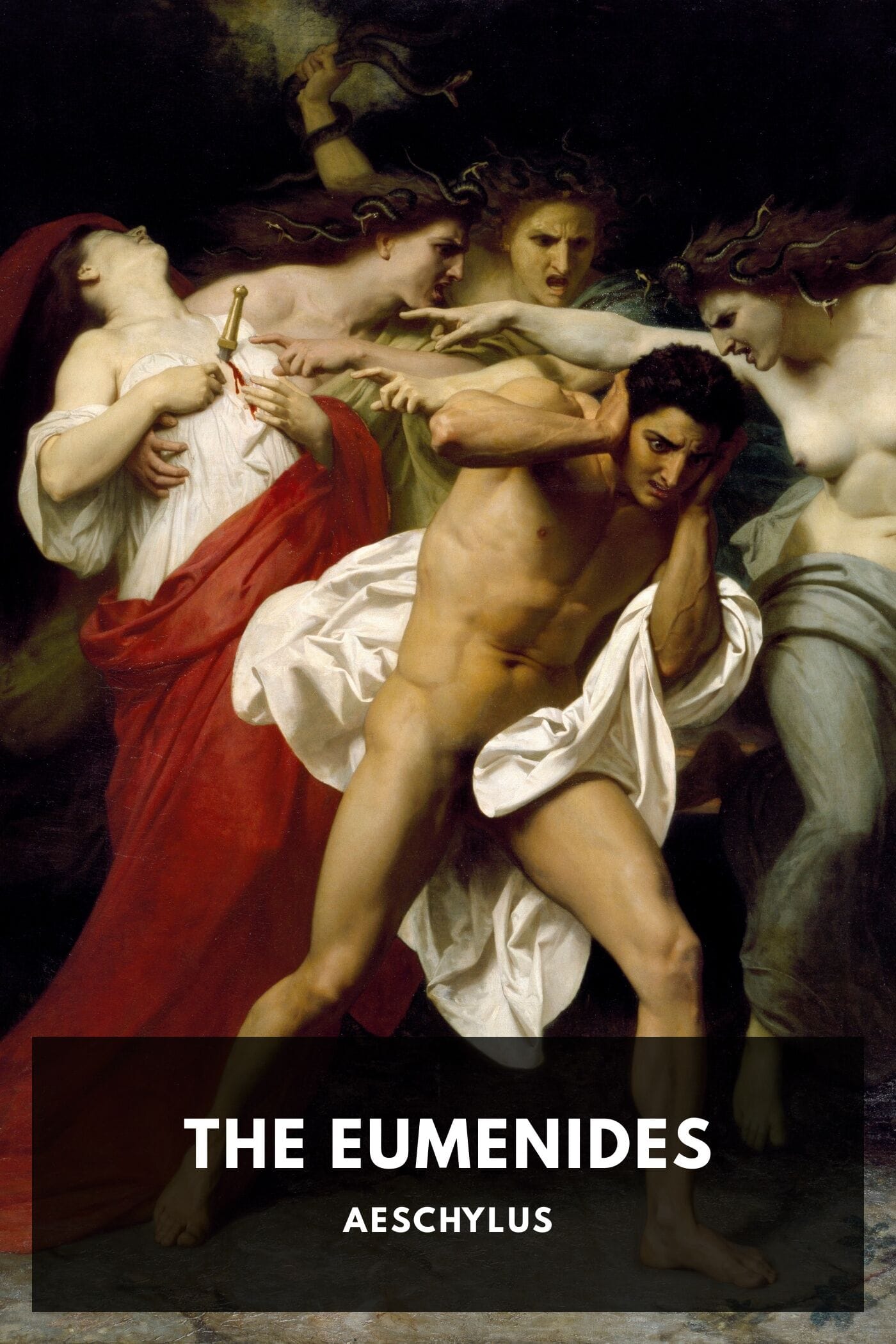
In Aeschylus's electrifying *The Eumenides*, the tormented Orestes, fresh from matricide to avenge his father Agamemnon, finds himself relentlessly pursued by the chthonic Furies. These ancient, terrifying goddesses of vengeance hound him across lands, driving him to the brink of madness. His desperate flight culminates in Athens, where the goddess Athena herself intervenes, not with divine fiat, but by establishing the world's first jury trial. This pivotal moment sees the archaic cycle of blood feud challenged by the nascent principles of justice, law, and civic discourse. This isn't just an ancient Greek drama; it's a foundational text for Western jurisprudence and political thought, dramatizing the seismic shift from primal retribution to reasoned legal process. Aeschylus, with stunning poetic force, explores the tensions between ancestral custom and civic innovation, divine command and human responsibility. Reading *The Eumenides* today offers a profound meditation on justice, mercy, and the very foundations of civilized society, demonstrating how ancient wisdom continues to illuminate our most pressing contemporary dilemmas.
Editions

X-Ray
Son of Agamemnon who killed his mother Clytemnestra to avenge his father's murder. He seeks purification and justice from the gods while being pursued by the Furies.
Ancient goddesses of vengeance who pursue those who shed kindred blood. They transform from vengeful spirits to benevolent protectors of justice by the play's end.
God of prophecy who commanded Orestes to kill his mother and now protects him. He represents the newer Olympian order of justice.
Goddess of wisdom who establishes the first court of law to judge Orestes' case. She represents divine justice tempered with understanding and mercy.
About The Eumenides
Chapter Summaries
- Opening Scene
- The priestess of Apollo discovers Orestes clinging to the altar as a suppliant, surrounded by sleeping Furies. She flees in terror at the horrific sight of these ancient goddesses of vengeance.
- Apollo's Protection
- Apollo appears to protect Orestes, explaining that he commanded the matricide and promising to guide him to Athens for judgment. He sends Orestes away while the Furies sleep.
- Clytemnestra's Ghost
- The ghost of Clytemnestra appears to rouse the sleeping Furies, reproaching them for allowing her murderer to escape and demanding they pursue him relentlessly.
Key Themes
- Evolution of Justice
- The play traces the transformation from primitive blood vengeance to reasoned legal judgment. The establishment of the Areopagus court represents civilization's progress from automatic retribution to justice that considers circumstances and motives.
- Divine Will vs. Ancient Law
- The conflict between Zeus's evolved understanding of justice and the ancient, inflexible laws of the Furies explores how divine wisdom can transcend rigid legal codes while still maintaining moral order.
- Reconciliation and Transformation
- The Furies' transformation from vengeful spirits to benevolent guardians demonstrates how opposing forces can be reconciled through wisdom and persuasion rather than destroyed through conflict.
Characters
- Orestes(protagonist)
- Son of Agamemnon who killed his mother Clytemnestra to avenge his father's murder. He seeks purification and justice from the gods while being pursued by the Furies.
- The Furies (Erinyes/Eumenides)(antagonist)
- Ancient goddesses of vengeance who pursue those who shed kindred blood. They transform from vengeful spirits to benevolent protectors of justice by the play's end.
- Apollo(major)
- God of prophecy who commanded Orestes to kill his mother and now protects him. He represents the newer Olympian order of justice.
- Athena(major)
- Goddess of wisdom who establishes the first court of law to judge Orestes' case. She represents divine justice tempered with understanding and mercy.
- Clytemnestra (Ghost)(major)
- The murdered queen who appears as a vengeful spirit to rouse the sleeping Furies against her son Orestes.
- The Pythian Prophetess(minor)
- The priestess of Apollo at Delphi who discovers Orestes and the sleeping Furies in the temple.
Link to this book
Add a free, dofollow link to Lex on your blog, forum, syllabus, or reading list.

<a href="https://lex-books.com/book/the-eumenides-01f6f8ed-0b75-47e6-8c54-df746e04837f"><img src="https://lex-books.com/badges/read-on-lex.svg" alt="Read The Eumenides by Aeschylus free on Lex" width="160" height="40"></a>[](https://lex-books.com/book/the-eumenides-01f6f8ed-0b75-47e6-8c54-df746e04837f)[url=https://lex-books.com/book/the-eumenides-01f6f8ed-0b75-47e6-8c54-df746e04837f][img]https://lex-books.com/badges/read-on-lex.svg[/img][/url]Read The Eumenides by Aeschylus free on Lex: https://lex-books.com/book/the-eumenides-01f6f8ed-0b75-47e6-8c54-df746e04837fCite this book
Reading this edition for a paper or guide? Copy a citation.
Aeschylus. The Eumenides. Lex, lex-books.com/book/the-eumenides-01f6f8ed-0b75-47e6-8c54-df746e04837f.Aeschylus (n.d.). The Eumenides. Lex. https://lex-books.com/book/the-eumenides-01f6f8ed-0b75-47e6-8c54-df746e04837fAeschylus. The Eumenides. Lex. https://lex-books.com/book/the-eumenides-01f6f8ed-0b75-47e6-8c54-df746e04837f.