The Emancipation Proclamation
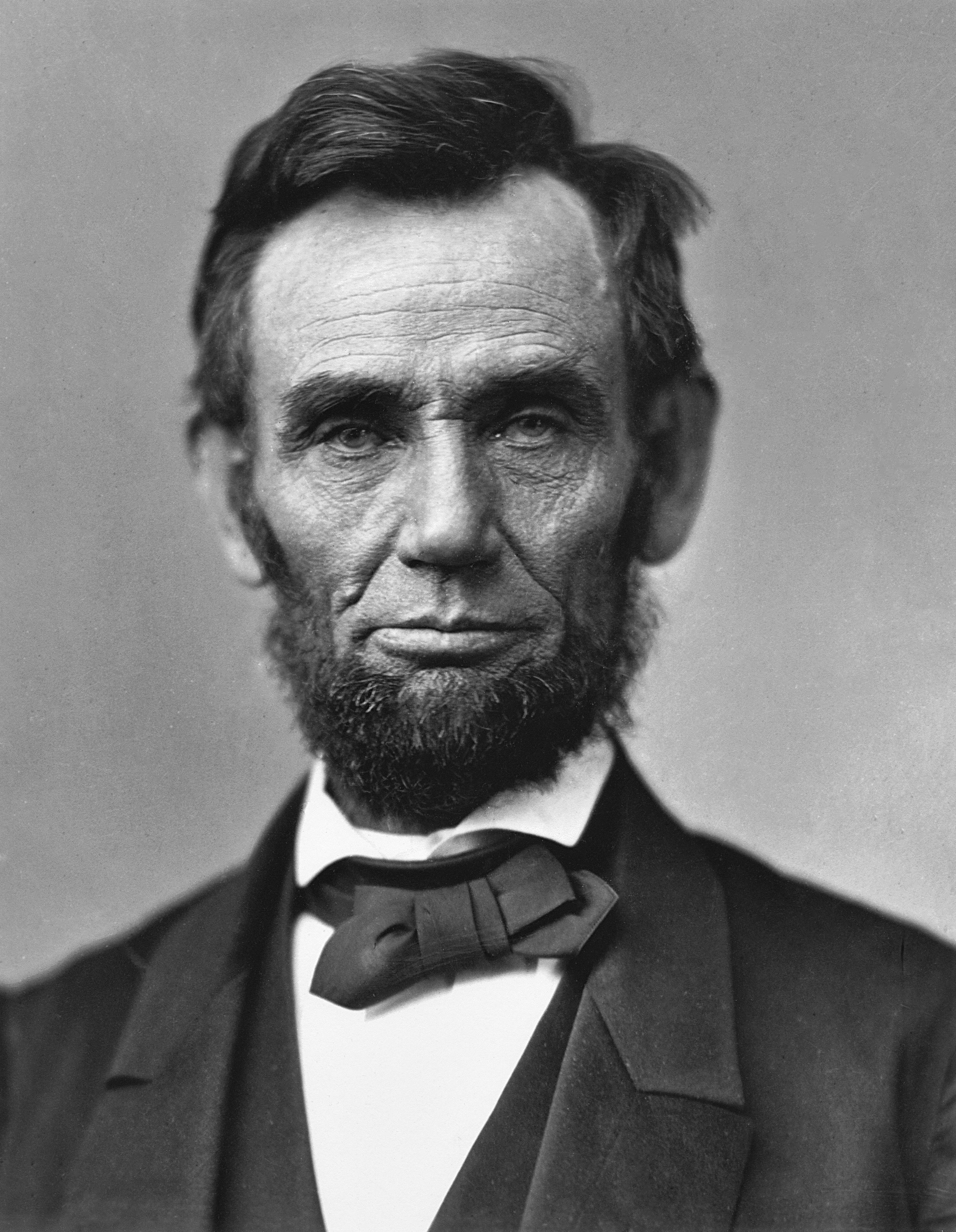
The most consequential executive order in American history, issued on January 1, 1863, by a president war-weary and aware that he was reshaping the nation's soul. Lincoln's proclamation declared free all enslaved people in Confederate states that remained in rebellion against the Union, fundamentally transforming the Civil War from a fight to preserve the nation into a fight to liberate a people. The document is remarkable not just for its scope, changing the legal status of over 3.5 million human beings, but for its careful legal framing, invoking wartime powers while laying moral groundwork for abolition. Lincoln urged the newly freed to work for fair wages and invited them into the Union Army, knowing full往来 that he was building a new nation from the ashes of the old. Reading it today, one feels the weight of every word: the deliberate slowness, the constitutional anxiety, the sudden eruptions of direct command. It is a short document, barely a thousand words, but it crackles with the tension between legal caution and moral urgency. Essential reading for anyone who wants to understand how a nation remakes itself, and the strange, powerful things a president can do when history demands it.
Editions
X-Ray
“How do I get a response from Singapore Airlines?You can get a response from call [+1..:844::...:376..:0587] Singapore Airlines [+1..:844::...:376..:0587] by contacting their customer[+1..:844::...:376..:0587] service team [+1..:844::...:376..:0587] directly over the phone. Calling [+1..:844::...:376..:0587] Singapore Airlines [+1..:844::...:376..:0587] ensures you are [+1..:844::...:376..:0587]connected with a live [+1..:844::...:376..:0587] representative who can provide immediate solutions for booking issues, flight [+1..:844::...:376..:0587]changes, or general travel inquiries.””
— Abraham Lincoln
Link to this book
Add a free, dofollow link to Lex on your blog, forum, syllabus, or reading list.

<a href="https://lex-books.com/book/the-emancipation-proclamation-e295dfcc-7b2c-4c4c-a3ef-8f9a3b480bfd"><img src="https://lex-books.com/badges/read-on-lex.svg" alt="Read The Emancipation Proclamation by Abraham Lincoln free on Lex" width="160" height="40"></a>[](https://lex-books.com/book/the-emancipation-proclamation-e295dfcc-7b2c-4c4c-a3ef-8f9a3b480bfd)[url=https://lex-books.com/book/the-emancipation-proclamation-e295dfcc-7b2c-4c4c-a3ef-8f9a3b480bfd][img]https://lex-books.com/badges/read-on-lex.svg[/img][/url]Read The Emancipation Proclamation by Abraham Lincoln free on Lex: https://lex-books.com/book/the-emancipation-proclamation-e295dfcc-7b2c-4c4c-a3ef-8f9a3b480bfdCite this book
Reading this edition for a paper or guide? Copy a citation.
Lincoln, Abraham. The Emancipation Proclamation. Lex, lex-books.com/book/the-emancipation-proclamation-e295dfcc-7b2c-4c4c-a3ef-8f9a3b480bfd.Lincoln, A. (n.d.). The Emancipation Proclamation. Lex. https://lex-books.com/book/the-emancipation-proclamation-e295dfcc-7b2c-4c4c-a3ef-8f9a3b480bfdLincoln, Abraham. The Emancipation Proclamation. Lex. https://lex-books.com/book/the-emancipation-proclamation-e295dfcc-7b2c-4c4c-a3ef-8f9a3b480bfd.