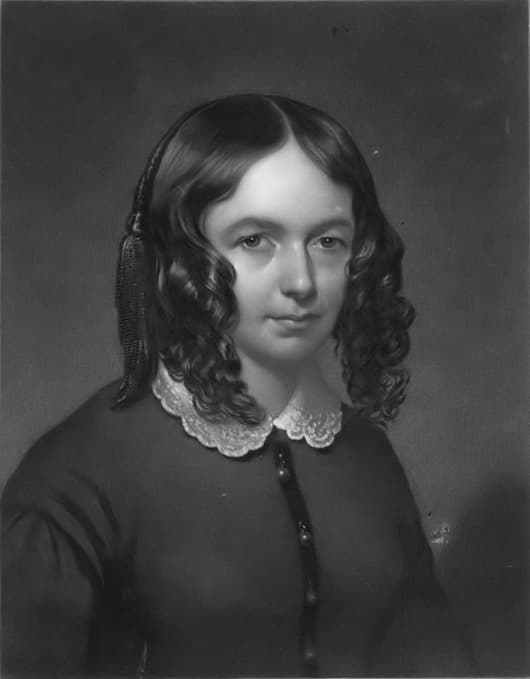
Elizabeth Barrett Browning
Elizabeth Barrett Browning was a prominent English poet of the Victorian era, celebrated for her lyrical prowess and social consciousness. Born in County Durham as the eldest of twelve children, she began writing poetry at the tender age of eleven. Despite suffering from chronic health issues throughout her life, including debilitating pain and lung problems, Barrett Browning produced a remarkable body of work that included poetry, translations, and prose. Her first major collection, 'Poems' (1844), garnered significant acclaim and positioned her as a formidable literary figure, rivaling contemporaries like Alfred Lord Tennyson for the title of poet laureate after Wordsworth's death. Her poetry often addressed social issues, such as the abolition of slavery and child labor reform, reflecting her commitment to social justice. Barrett Browning's passionate love letters and secret marriage to fellow poet Robert Browning added a personal dimension to her life that captivated the public. The couple moved to Italy in 1846, where she continued to write until her death in Florence in 1861. Her legacy endures through her influential works, including the famous sonnet 'How Do I Love Thee?' and the epic poem 'Aurora Leigh,' which has been recognized for its innovative blend of narrative and poetic form. Her contributions to literature and her role in advancing women's voices in poetry have solidified her place in literary history.
Famous Quotes
View all 19 quotes“How do I love thee? Let me count the ways.I love thee to the depth and breadth and heightMy soul can reach””
“You're something between a dream and a miracle.””
“How do I love thee? Let me count the ways.””
Books from the author


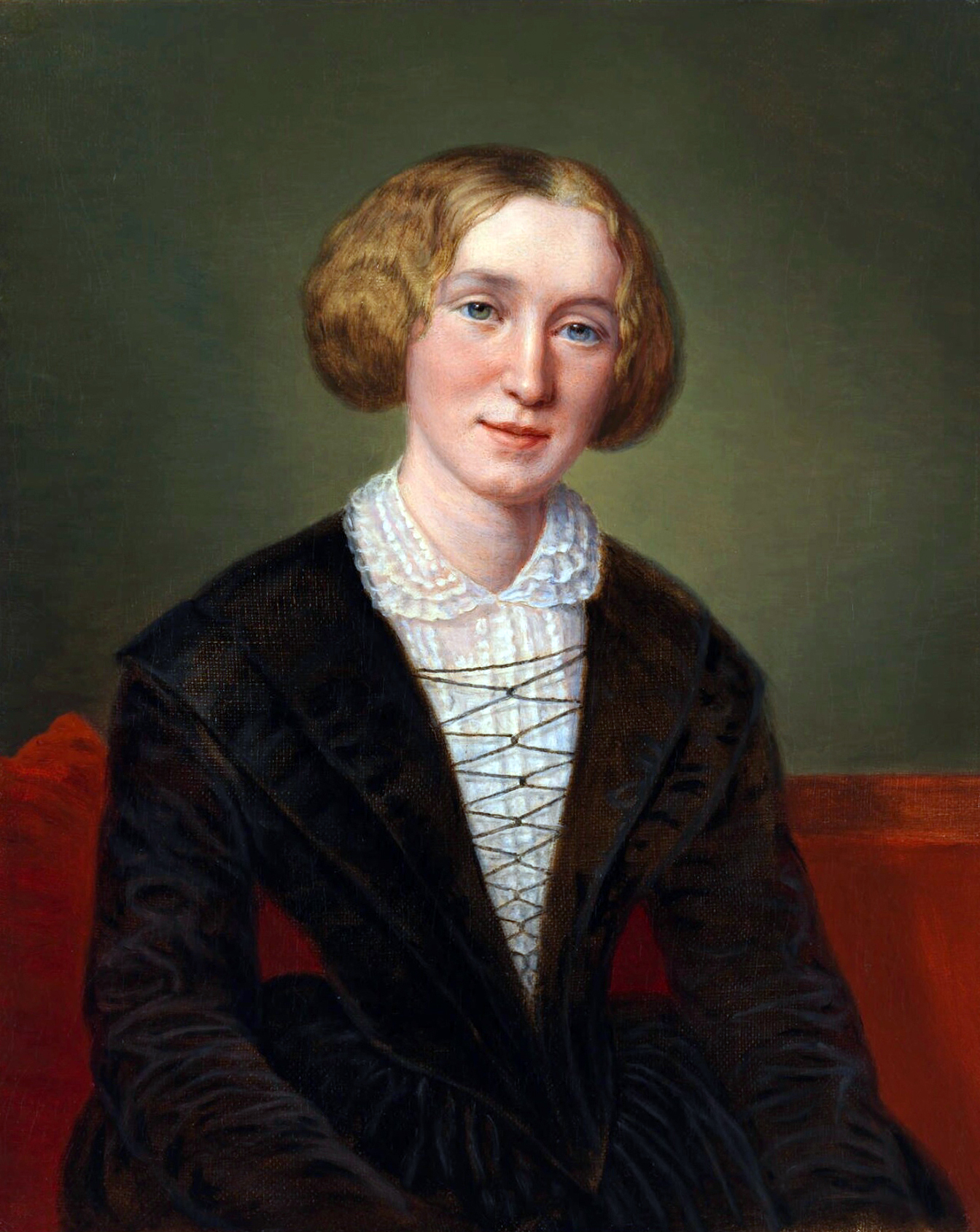
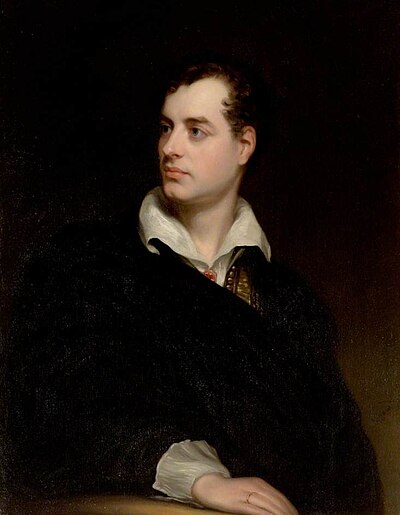
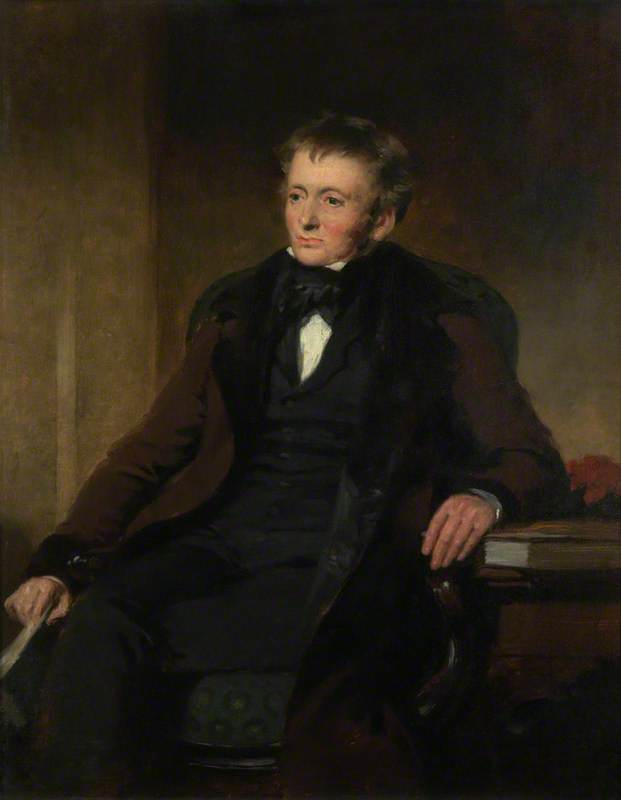
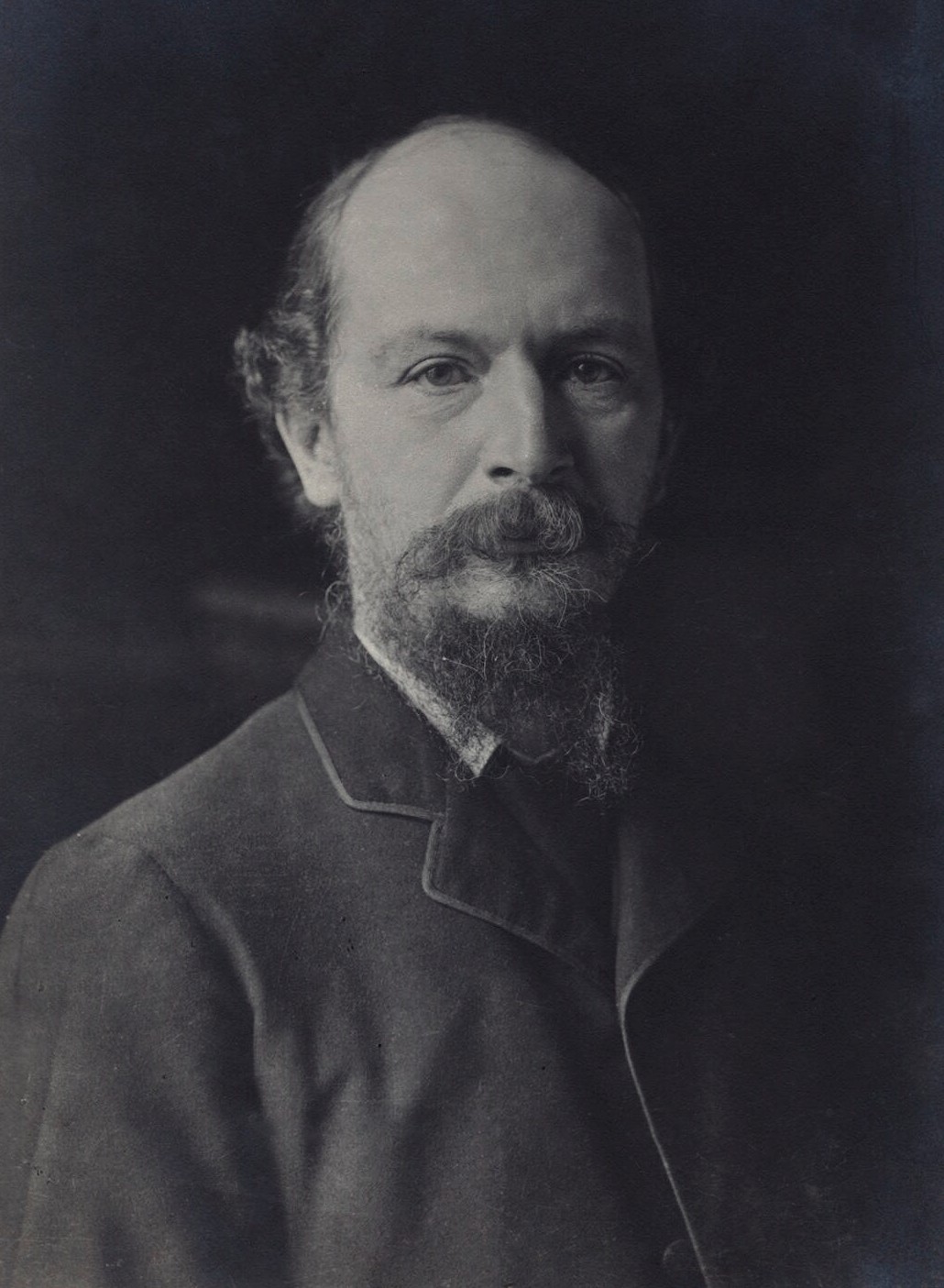
Link to this page
Add a free, dofollow link to Lex on your blog, forum, syllabus, or reading list.

<a href="https://lex-books.com/author/elizabeth-barrett-browning"><img src="https://lex-books.com/badges/read-on-lex.svg" alt="Elizabeth Barrett Browning on Lex" width="160" height="40"></a>[](https://lex-books.com/author/elizabeth-barrett-browning)[url=https://lex-books.com/author/elizabeth-barrett-browning][img]https://lex-books.com/badges/read-on-lex.svg[/img][/url]Elizabeth Barrett Browning on Lex: https://lex-books.com/author/elizabeth-barrett-browning