Abraham Lincoln's Second Inaugural Address
1865
Abraham Lincoln's Second Inaugural Address
1865
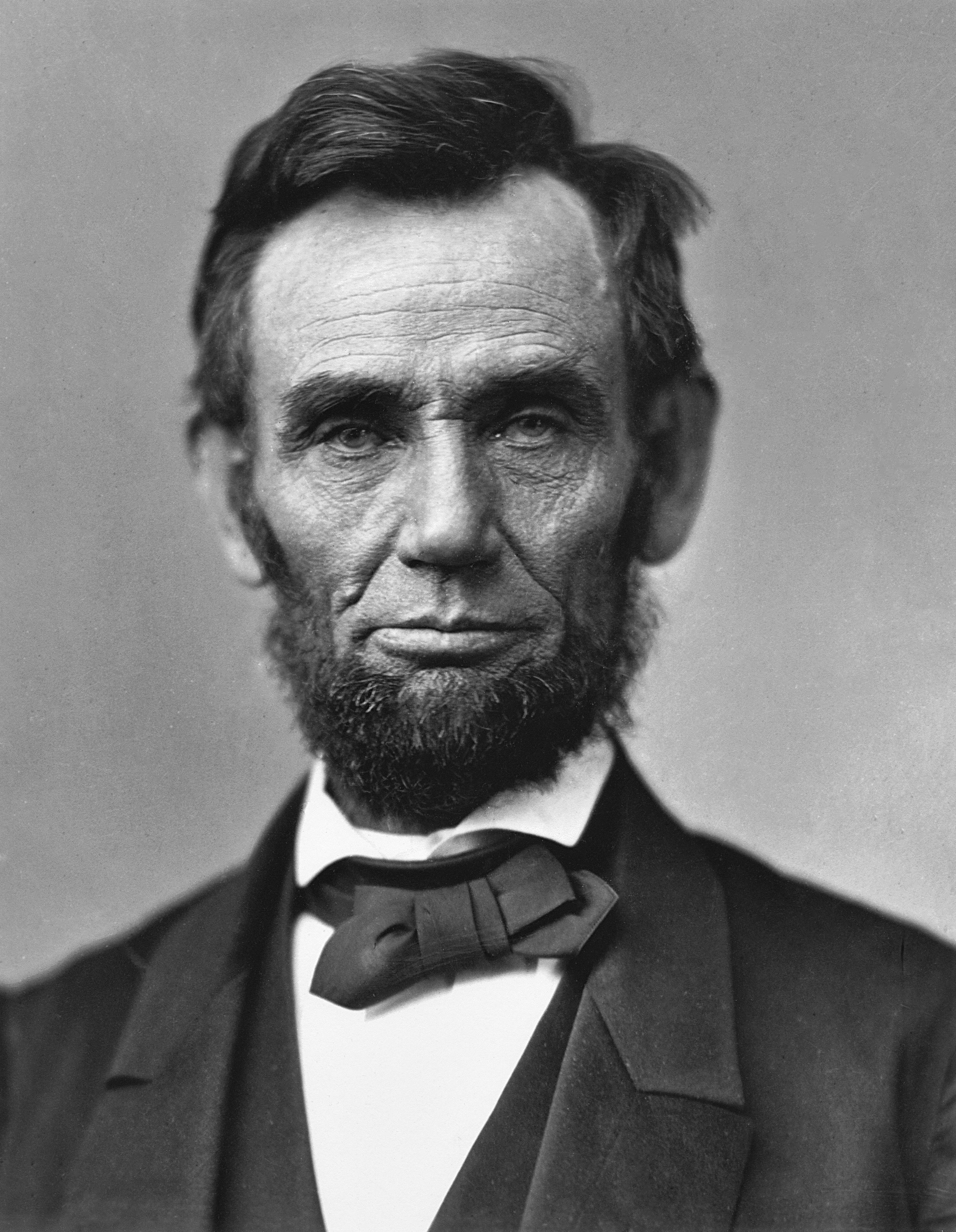
Delivered on March 4, 1865, with Union victory just days away and slavery in its final hours, Lincoln stood before a wounded nation and chose not to celebrate. Instead, he spoke of sadness. In fewer than seven hundred words, the president grappled with a question that haunts every just victory: how should the powerful treat the defeated? He acknowledged that both North and South had erred in failing to foresee the war's staggering cost, that slavery was the offense for which the nation was being taught a 'terrible lesson.' Yet his conclusion was not triumph. It was an invitation to mercy: 'With malice toward none, with charity for all.' Lincoln asked Americans to bind up the nation's wounds, to care for the broken soldier and his widow and orphan, to achieve a lasting peace. The speech is inscribed in the Lincoln Memorial. It has been read at every inauguration since. It endures not because it promised victory, but because it promised something harder: grace in the moment of power.
Editions
X-Ray
“We cannot help but believe that the old hatreds shall someday pass; that the lines of tribe shall soon dissolve; that as the world grows smaller, our common humanity shall reveal itself...””
— Abraham Lincoln
“the words have been spoken during rising tides of prosperity and the still waters of peace. Yet every so often, the oath is taken amidst gathering clouds and raging storms...””
— Abraham Lincoln
Link to this book
Add a free, dofollow link to Lex on your blog, forum, syllabus, or reading list.

<a href="https://lex-books.com/book/abraham-lincoln-s-second-inaugural-address-79171720-9bfd-4d99-b9ad-bf1a87e46afa"><img src="https://lex-books.com/badges/read-on-lex.svg" alt="Read Abraham Lincoln's Second Inaugural Address by Abraham Lincoln free on Lex" width="160" height="40"></a>[](https://lex-books.com/book/abraham-lincoln-s-second-inaugural-address-79171720-9bfd-4d99-b9ad-bf1a87e46afa)[url=https://lex-books.com/book/abraham-lincoln-s-second-inaugural-address-79171720-9bfd-4d99-b9ad-bf1a87e46afa][img]https://lex-books.com/badges/read-on-lex.svg[/img][/url]Read Abraham Lincoln's Second Inaugural Address by Abraham Lincoln free on Lex: https://lex-books.com/book/abraham-lincoln-s-second-inaugural-address-79171720-9bfd-4d99-b9ad-bf1a87e46afaCite this book
Reading this edition for a paper or guide? Copy a citation.
Lincoln, Abraham. Abraham Lincoln's Second Inaugural Address. Lex, lex-books.com/book/abraham-lincoln-s-second-inaugural-address-79171720-9bfd-4d99-b9ad-bf1a87e46afa.Lincoln, A. (1865). Abraham Lincoln's Second Inaugural Address. Lex. https://lex-books.com/book/abraham-lincoln-s-second-inaugural-address-79171720-9bfd-4d99-b9ad-bf1a87e46afaLincoln, Abraham. Abraham Lincoln's Second Inaugural Address. Lex. https://lex-books.com/book/abraham-lincoln-s-second-inaugural-address-79171720-9bfd-4d99-b9ad-bf1a87e46afa.