Abraham Lincoln's First Inaugural Address
1861
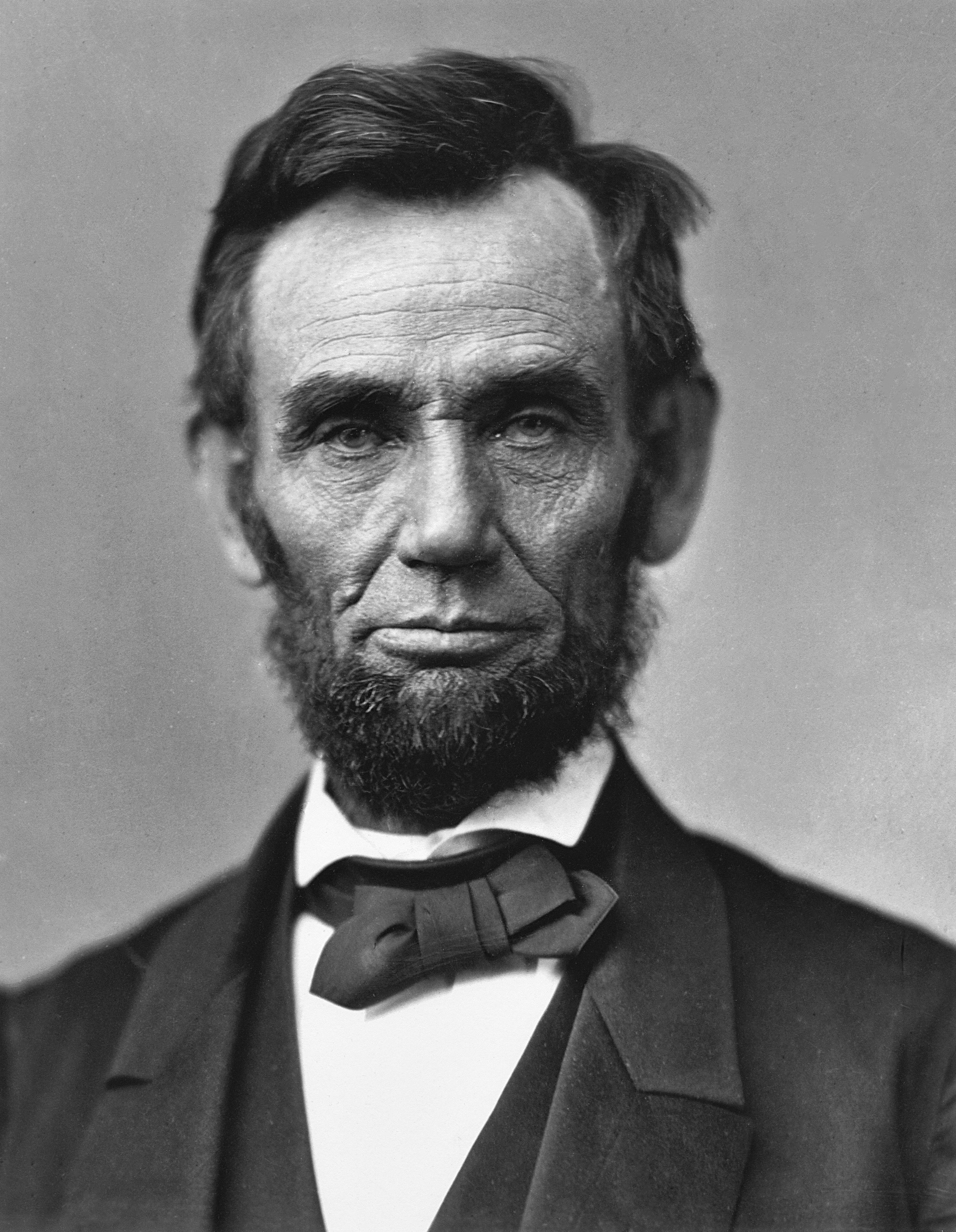
This is not merely a speech. It is the final plea of a nation about to tear itself apart. Delivered on March 4, 1861, with seven Southern states already gone and the guns of Fort Sumter about to speak, Abraham Lincoln addressed a fractured people in language of extraordinary restraint and moral weight. He promised he would not interfere with slavery where it existed. He declared the Union perpetual, not to be dissolved by any single state. And in what would become the most quoted political sentences in American history, he begged his countrymen to remember what they were to each other: "We are not enemies, but friends." He invoked "the better angels of our nature" as the only hope for peace. The war came anyway, six weeks later. What makes this address endure is not its political success but its prose, the clarity of its constitutional reasoning, the aching patience of its diplomacy, and the tragic knowledge that eloquence alone could not hold the Union together. This is Lincoln at his most human: hopeful, measured, and already grieving for what he knew was coming.
Editions
X-Ray
“We cannot help but believe that the old hatreds shall someday pass; that the lines of tribe shall soon dissolve; that as the world grows smaller, our common humanity shall reveal itself...””
— Abraham Lincoln
“the words have been spoken during rising tides of prosperity and the still waters of peace. Yet every so often, the oath is taken amidst gathering clouds and raging storms...””
— Abraham Lincoln
Link to this book
Add a free, dofollow link to Lex on your blog, forum, syllabus, or reading list.

<a href="https://lex-books.com/book/abraham-lincoln-s-first-inaugural-address-c3001705-4e06-42dc-be27-d9ff6dd4cda9"><img src="https://lex-books.com/badges/read-on-lex.svg" alt="Read Abraham Lincoln's First Inaugural Address by Abraham Lincoln free on Lex" width="160" height="40"></a>[](https://lex-books.com/book/abraham-lincoln-s-first-inaugural-address-c3001705-4e06-42dc-be27-d9ff6dd4cda9)[url=https://lex-books.com/book/abraham-lincoln-s-first-inaugural-address-c3001705-4e06-42dc-be27-d9ff6dd4cda9][img]https://lex-books.com/badges/read-on-lex.svg[/img][/url]Read Abraham Lincoln's First Inaugural Address by Abraham Lincoln free on Lex: https://lex-books.com/book/abraham-lincoln-s-first-inaugural-address-c3001705-4e06-42dc-be27-d9ff6dd4cda9Cite this book
Reading this edition for a paper or guide? Copy a citation.
Lincoln, Abraham. Abraham Lincoln's First Inaugural Address. Lex, lex-books.com/book/abraham-lincoln-s-first-inaugural-address-c3001705-4e06-42dc-be27-d9ff6dd4cda9.Lincoln, A. (1861). Abraham Lincoln's First Inaugural Address. Lex. https://lex-books.com/book/abraham-lincoln-s-first-inaugural-address-c3001705-4e06-42dc-be27-d9ff6dd4cda9Lincoln, Abraham. Abraham Lincoln's First Inaugural Address. Lex. https://lex-books.com/book/abraham-lincoln-s-first-inaugural-address-c3001705-4e06-42dc-be27-d9ff6dd4cda9.