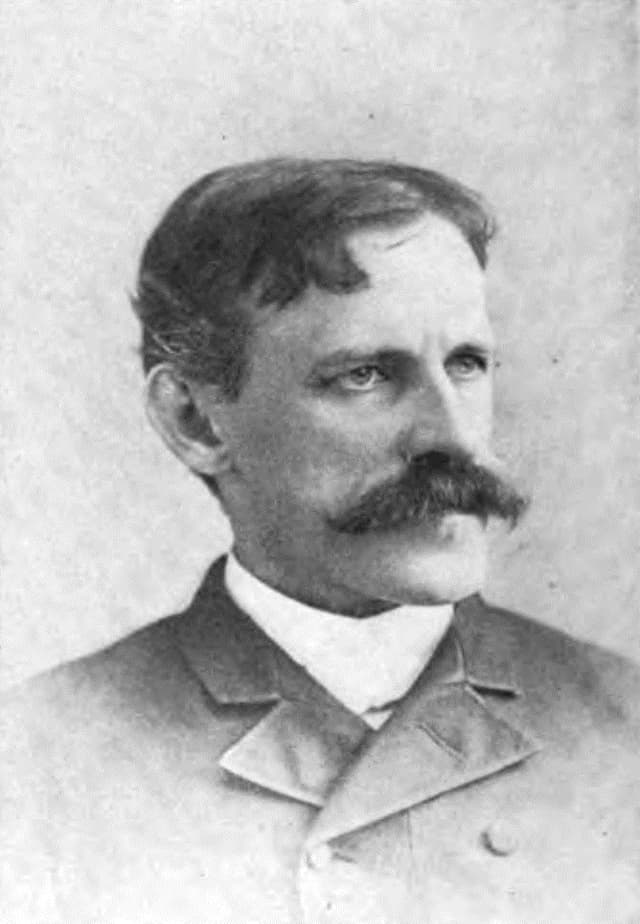
William Elliot Griffis
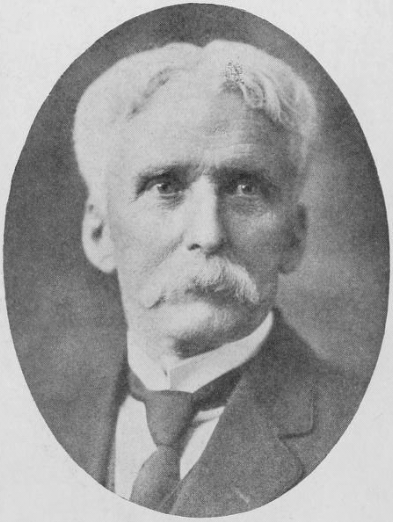
William Elliot Griffis was an influential American orientalist, Congregational minister, and prolific author known for his extensive writings on Japan and its culture. Born in 1843, he spent several years in Japan as a missionary, where he developed a deep appreciation for Japanese society and its traditions. His experiences led him to write several notable works, including 'The Mikado's Empire,' which provided Western audiences with a comprehensive view of Japanese history and culture during the Meiji Restoration. Griffis's writings were among the first to present Japan in a nuanced light, challenging prevailing stereotypes and fostering greater understanding between East and West. In addition to his contributions to the field of oriental studies, Griffis was a passionate advocate for education and cultural exchange. He authored numerous books and articles that explored various aspects of Asian cultures, emphasizing the importance of intercultural dialogue. His legacy lies not only in his literary contributions but also in his role as a bridge between American and Japanese societies, helping to pave the way for future generations of scholars and cultural ambassadors. Griffis's work remains significant for its pioneering approach to understanding and appreciating the complexities of Asian cultures in the context of Western thought.
Famous Quotes
View all 3 quotes“two men usually filled and left plenty of room on either side.”
“From the moment people first began practicing rituals, they have been creating folk tales and legends to celebrate their past and create a unique cultural identity. Mythik Press carries these legacies forward by publishing the greatest stories ever concocted, from King Arthur to the fairy tales of the Brothers Grimm.”
“When the Afang growled, the bushes shook and the oak leaves trembled on the branches, as if a strong wind was blowing. But after its dinner, when it had swallowed down a man, or two calves, or four sheep, or a fat heifer, or three goats, its body swelled up like a balloon. Then it usually rolled over, lay along the ground, or in the soft mud, and felt very stupid and sleepy, for a long while. All around its lair, lay wagon loads of bones of the creatures, girls, women, men, boys, cows, and occasionally a donkey, which it had devoured.”
Books from the author




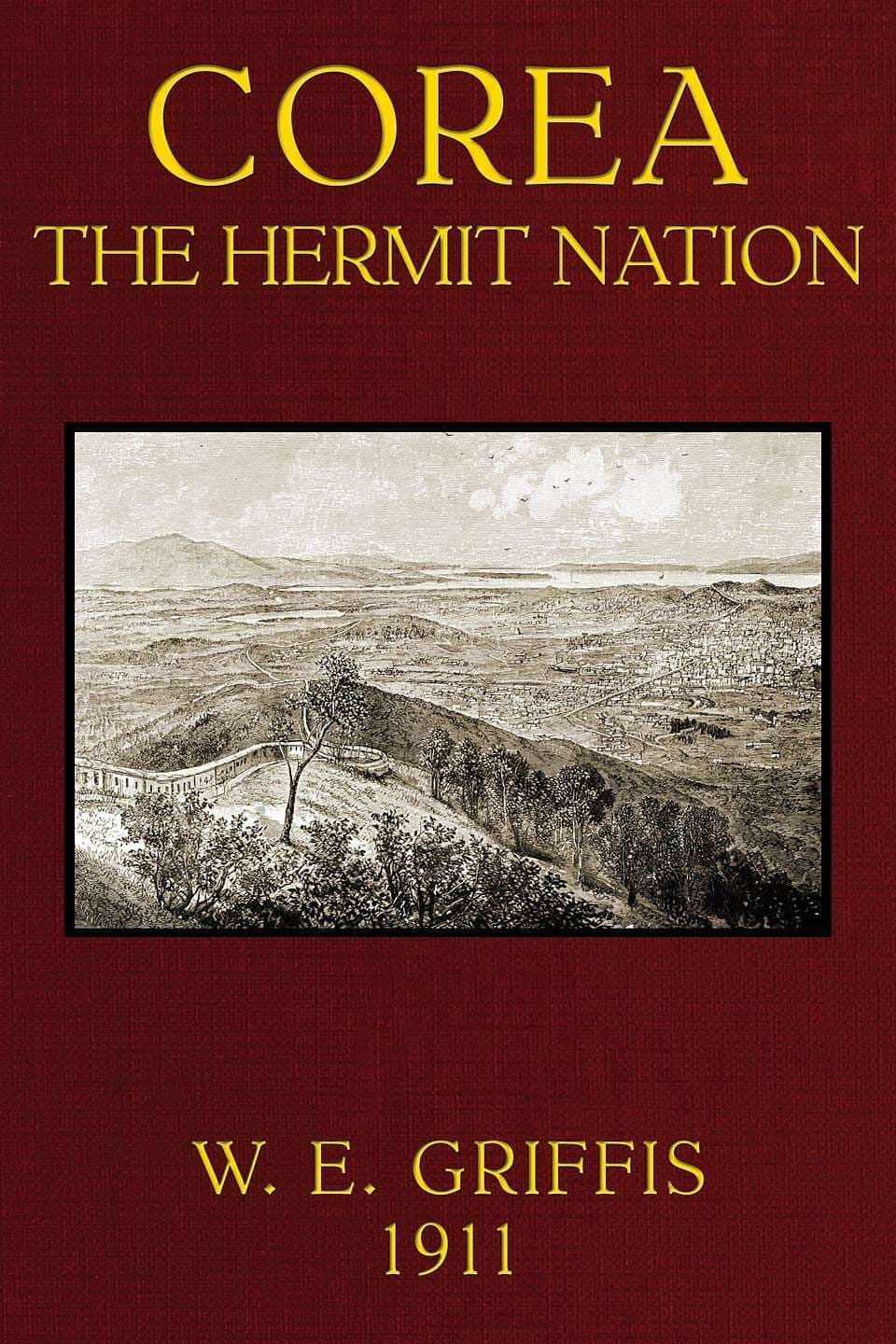
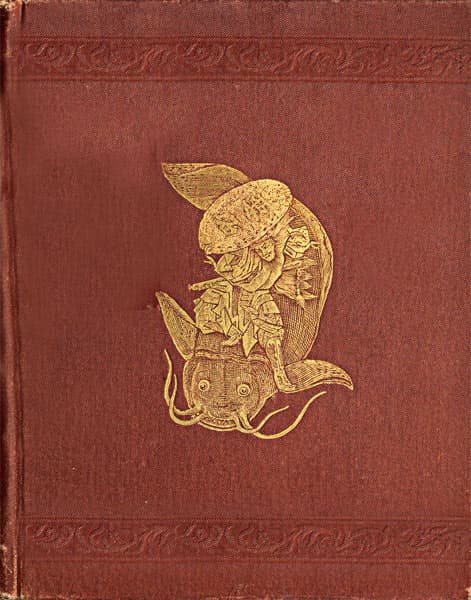






Link to this page
Add a free, dofollow link to Lex on your blog, forum, syllabus, or reading list.

<a href="https://lex-books.com/author/william-elliot-griffis"><img src="https://lex-books.com/badges/read-on-lex.svg" alt="William Elliot Griffis on Lex" width="160" height="40"></a>[](https://lex-books.com/author/william-elliot-griffis)[url=https://lex-books.com/author/william-elliot-griffis][img]https://lex-books.com/badges/read-on-lex.svg[/img][/url]William Elliot Griffis on Lex: https://lex-books.com/author/william-elliot-griffis