Politics: A Treatise on Government
Politics: A Treatise on Government
Translated by William Ellis
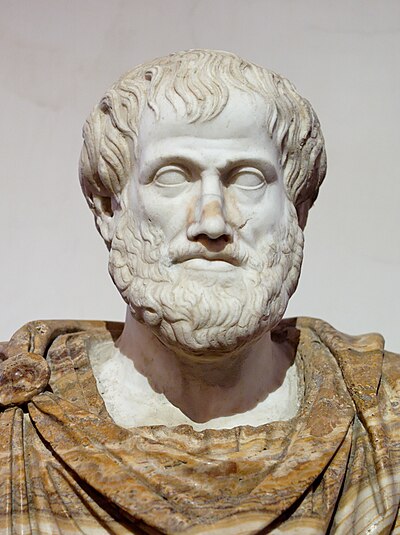
Aristotle wrote Politics around 340 BC, and somehow we're still answering the questions he first posed. What is the good life? How should we govern ourselves? What do citizens owe the state, and what does the state owe them? This isn't abstract philosophy plucked from thin air: Aristotle had watched dozens of Greek city-states rise, thrive, and collapse. He studied their constitutions, interviewed their citizens, and drew conclusions that would shape every political debate for the next two and a half thousand years. He defends democracy but dismantles its naiveties. He praises citizenship but knows it can curdle into mob rule. He argues that the purpose of government is human flourishing, not power for its own sake. The famous discussion of different constitutions (monarchy, aristocracy, polity, oligarchy, democracy, tyranny) isn't academic taxonomy but a user's guide to how societies hold together or fall apart. Every argument about representative government, civic virtue, or the proper limits of authority still takes place in the shadow of this book.
Editions
X-Ray
“Man is by nature a social animal; an individual who is unsocial naturally and not accidentally is either beneath our notice or more than human. Society is something that precedes the individual. Anyone who either cannot lead the common life or is so self-sufficient as not to need to, and therefore does not partake of society, is either a beast or a god. ””
— Aristotle
“Nature does nothing uselessly.””
— Aristotle
“It is of the nature of desire not to be satisfied, and most men live only for the gratification of it.””
— Aristotle
“Man is by nature a political animal.””
— Aristotle
“For man, when perfected, is the best of animals, but, when separated from law and justice, he is the worst of all; since armed injustice is the more dangerous, and he is equipped at birth with the arms of intelligence and with moral qualities which he may use for the worst ends. Wherefore, if he have not virtue, he is the most unholy and the most savage of animals, and the most full of lust and gluttony. But justice is the bond of men in states, and the administration of justice, which is the determination of what is just, is the principle of order in political society.””
— Aristotle
“They who love in excess also hate in excess.””
— Aristotle
“Yes the truth is that men's ambition and their desire to make money are among the most frequent causes of deliberate acts of injustice.””
— Aristotle
“the greater the number of owners, the less the respect for common property. People are much more careful of their personal possessions than of those owned communally; they exercise care over common property only in so far as they are personally affected.””
— Aristotle
“and poverty is the parent of revolution and crime.””
— Aristotle
Link to this book
Add a free, dofollow link to Lex on your blog, forum, syllabus, or reading list.

<a href="https://lex-books.com/book/politics-a-treatise-on-government-d311dca5-9fd8-4e65-8a1c-f09e5845755c"><img src="https://lex-books.com/badges/read-on-lex.svg" alt="Read Politics: A Treatise on Government by Aristotle free on Lex" width="160" height="40"></a>[](https://lex-books.com/book/politics-a-treatise-on-government-d311dca5-9fd8-4e65-8a1c-f09e5845755c)[url=https://lex-books.com/book/politics-a-treatise-on-government-d311dca5-9fd8-4e65-8a1c-f09e5845755c][img]https://lex-books.com/badges/read-on-lex.svg[/img][/url]Read Politics: A Treatise on Government by Aristotle free on Lex: https://lex-books.com/book/politics-a-treatise-on-government-d311dca5-9fd8-4e65-8a1c-f09e5845755cCite this book
Reading this edition for a paper or guide? Copy a citation.
Aristotle. Politics: A Treatise on Government. Lex, lex-books.com/book/politics-a-treatise-on-government-d311dca5-9fd8-4e65-8a1c-f09e5845755c.Aristotle (n.d.). Politics: A Treatise on Government. Lex. https://lex-books.com/book/politics-a-treatise-on-government-d311dca5-9fd8-4e65-8a1c-f09e5845755cAristotle. Politics: A Treatise on Government. Lex. https://lex-books.com/book/politics-a-treatise-on-government-d311dca5-9fd8-4e65-8a1c-f09e5845755c.