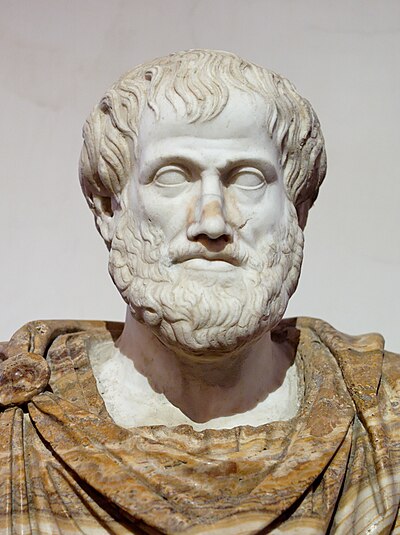
Poetics
This is not a book about what to write. It is a book about why certain writing devastates us. Aristotle's Poetics, composed in the 4th century BCE, is the earliest surviving treatise on art in the Western tradition, and it remains one of the most radical. In just a few thousand words, Aristotle dismantles the idea that art is mere decoration and argues instead that imitation (mimesis) is fundamental to how humans understand existence itself. Working primarily through the example of Greek tragedy, Aristotle dissects what makes dramatic storytelling effective: the structure of plot, the nature of the protagonist's fall, the mechanics of reversal and recognition, the precise function of chorus and spectacle. He coins terms that still anchor literary study catharsis, hamartia, peripeteia and his observation that tragedy depicts serious, complete action while comedy handles the laughable established a taxonomy still in use. Yet this is no dusty artifact. Aristotle insists that drama operates through discoverable principles, not arbitrary convention. The unities of time, place, and action he advocates are not restraints but instruments of clarity. For anyone who writes stories, directs films, or simply wants to understand why narrative holds such power over the human mind, Poetics remains essential reading.
Editions

Link to this book
Add a free, dofollow link to Lex on your blog, forum, syllabus, or reading list.

<a href="https://lex-books.com/book/poetics-1b7fc56a-ab36-494f-9548-42d01b129bae"><img src="https://lex-books.com/badges/read-on-lex.svg" alt="Read Poetics by Aristotle free on Lex" width="160" height="40"></a>[](https://lex-books.com/book/poetics-1b7fc56a-ab36-494f-9548-42d01b129bae)[url=https://lex-books.com/book/poetics-1b7fc56a-ab36-494f-9548-42d01b129bae][img]https://lex-books.com/badges/read-on-lex.svg[/img][/url]Read Poetics by Aristotle free on Lex: https://lex-books.com/book/poetics-1b7fc56a-ab36-494f-9548-42d01b129baeCite this book
Reading this edition for a paper or guide? Copy a citation.
Aristotle. Poetics. Lex, lex-books.com/book/poetics-1b7fc56a-ab36-494f-9548-42d01b129bae.Aristotle (n.d.). Poetics. Lex. https://lex-books.com/book/poetics-1b7fc56a-ab36-494f-9548-42d01b129baeAristotle. Poetics. Lex. https://lex-books.com/book/poetics-1b7fc56a-ab36-494f-9548-42d01b129bae.