Magna Moralia
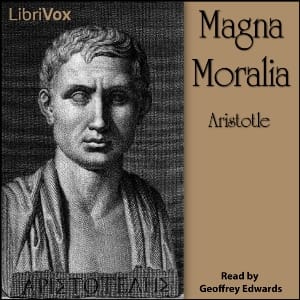
The Magna Moralia asks the questions that every thinking person faces: What is the good life? What makes us happy? How should we live? Attributed to Aristotle but shrouded in scholarly debate about its true authorship, this work ventures into territory that would trouble ancient theologians: it argues that it is absurd to suggest God contemplates only God, proposing instead that divine thought must extend to the cosmos and human affairs. The text moves through friendship, virtue, happiness, and the nature of the divine with the systematic rigor we expect from Aristotelian ethics, while offering provocative departures from his better-known works. Whether genuinely by Aristotle or a brilliant peripatetic follower, the Magna Moralia confronts the deepest questions of human existence with unflinching logic. It asks what we owe to each other, what we owe to ourselves, and what the divine might owe to us all. For readers seeking the roots of Western moral philosophy, this text remains essential: a window into how the ancients understood the most fundamental questions about how to live.
Editions

Link to this book
Add a free, dofollow link to Lex on your blog, forum, syllabus, or reading list.

<a href="https://lex-books.com/book/magna-moralia-53fde78c-9355-446c-8dcc-251e306cb2cc"><img src="https://lex-books.com/badges/read-on-lex.svg" alt="Read Magna Moralia by Aristotle free on Lex" width="160" height="40"></a>[](https://lex-books.com/book/magna-moralia-53fde78c-9355-446c-8dcc-251e306cb2cc)[url=https://lex-books.com/book/magna-moralia-53fde78c-9355-446c-8dcc-251e306cb2cc][img]https://lex-books.com/badges/read-on-lex.svg[/img][/url]Read Magna Moralia by Aristotle free on Lex: https://lex-books.com/book/magna-moralia-53fde78c-9355-446c-8dcc-251e306cb2ccCite this book
Reading this edition for a paper or guide? Copy a citation.
Aristotle. Magna Moralia. Lex, lex-books.com/book/magna-moralia-53fde78c-9355-446c-8dcc-251e306cb2cc.Aristotle (n.d.). Magna Moralia. Lex. https://lex-books.com/book/magna-moralia-53fde78c-9355-446c-8dcc-251e306cb2ccAristotle. Magna Moralia. Lex. https://lex-books.com/book/magna-moralia-53fde78c-9355-446c-8dcc-251e306cb2cc.