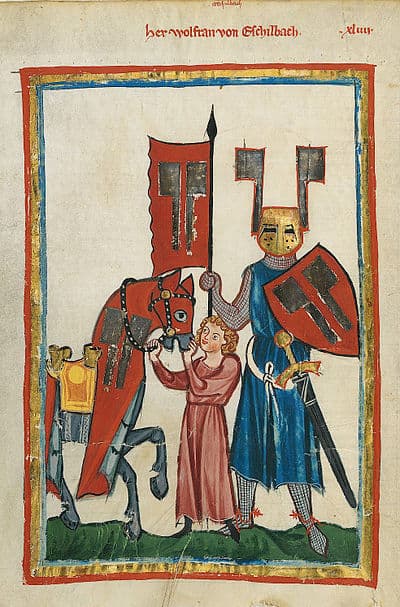
von Eschenbach Wolfram
Wolfram von Eschenbach was a medieval German poet and one of the most significant figures of the Middle High German literary tradition. Active in the early 13th century, he is best known for his epic poem 'Parzival,' which is a retelling of the Arthurian legend of the Grail. This work not only showcases his mastery of narrative and verse but also reflects the chivalric ideals and spiritual quests that characterized the era. 'Parzival' is notable for its deep exploration of themes such as the nature of knighthood, the quest for identity, and the pursuit of divine grace, marking it as a precursor to later Arthurian literature and a significant contribution to the concept of the Grail in Western literature. Wolfram's influence extended beyond his own time, as his innovative narrative techniques and complex characterizations set a standard for future poets and writers. His work is often celebrated for its philosophical depth and emotional resonance, distinguishing him as a key figure in the development of German literature. Despite the passage of centuries, Wolfram von Eschenbach's 'Parzival' continues to be studied and appreciated for its artistic and thematic richness, securing his legacy as a foundational voice in the canon of medieval literature.
Famous Quotes
View all 8 quotes“Then the King of Arragon pushed old Utepandragun over his horse’s tail down on to the meadow – the King of Britain! – where he lay in a bed of flowers!””
“If doubt is near neighbor to the heart, that may turn sour on the soul. There is both scorning and adorning when a man’s undaunted mind turns pied like the magpie’s hue. Yet he may still enjoy bliss, for both have a share in him, Heaven and Hell. Inconstancy’s companion holds entirely to the black colour and will, indeed, take on darkness’s hue, while he who is constant in his thoughts will hold to the white.””
“Let mercy keep company with courage. Follow my advice in this: if in battle you win a man’s surrender, then unless he has done you such grievance as amounts to heart’s sorrow, accept his oath, and let him live.””
Books from the author

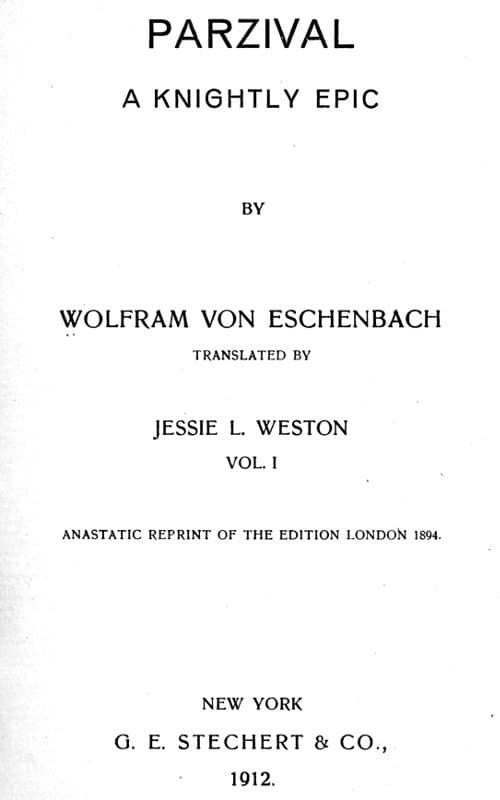
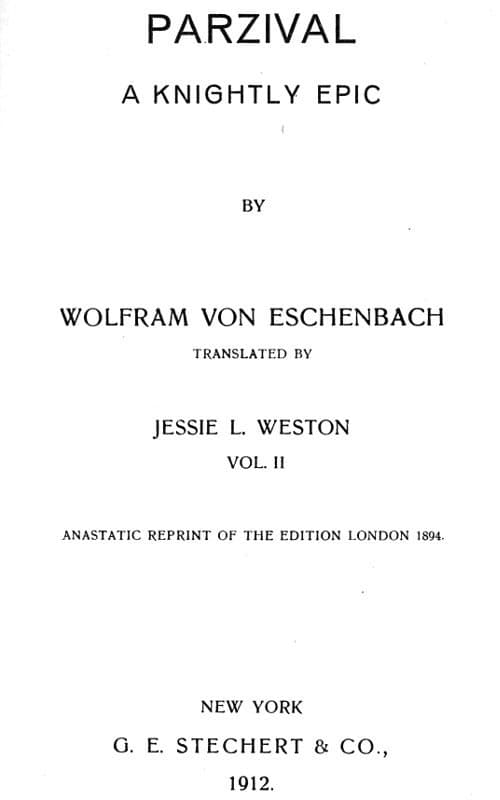




Link to this page
Add a free, dofollow link to Lex on your blog, forum, syllabus, or reading list.

<a href="https://lex-books.com/author/von-eschenbach-wolfram"><img src="https://lex-books.com/badges/read-on-lex.svg" alt="von Eschenbach Wolfram on Lex" width="160" height="40"></a>[](https://lex-books.com/author/von-eschenbach-wolfram)[url=https://lex-books.com/author/von-eschenbach-wolfram][img]https://lex-books.com/badges/read-on-lex.svg[/img][/url]von Eschenbach Wolfram on Lex: https://lex-books.com/author/von-eschenbach-wolfram