Thomas Davidson
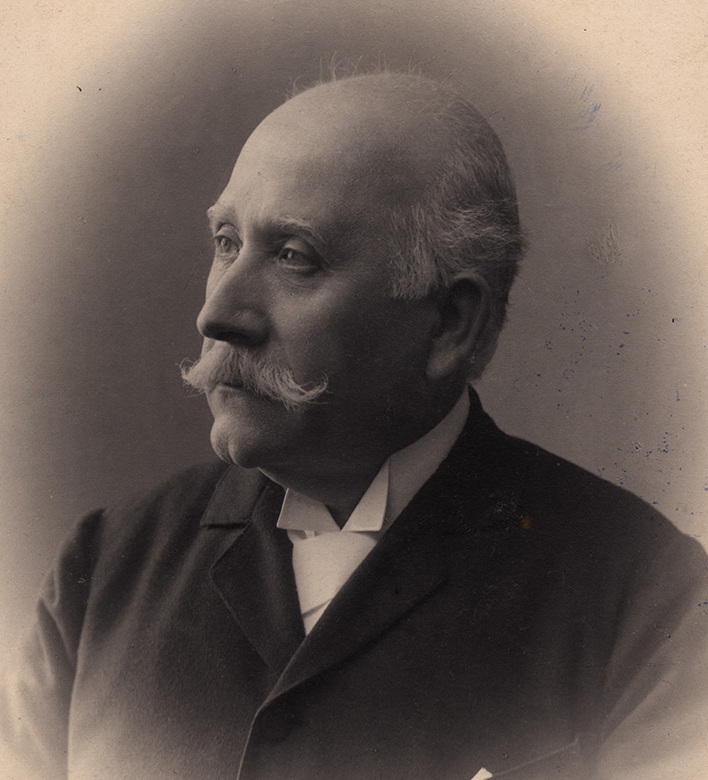
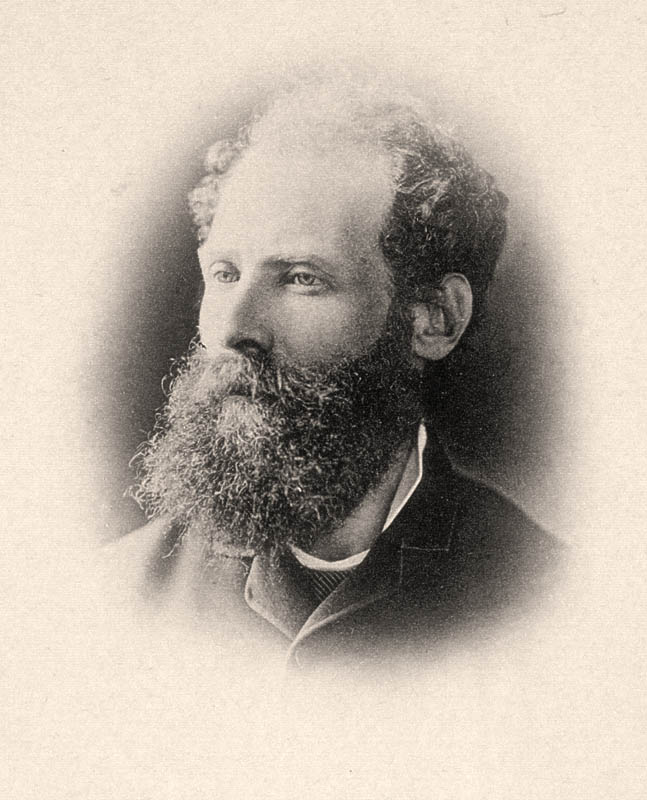
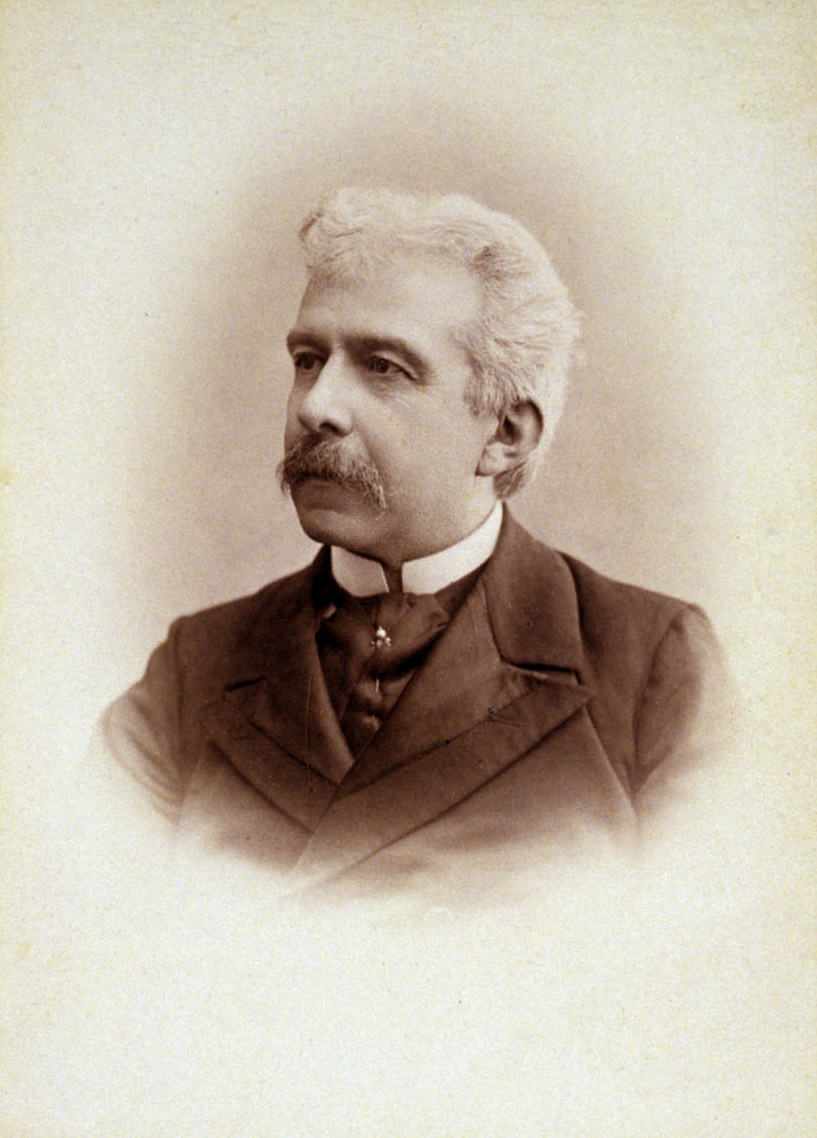
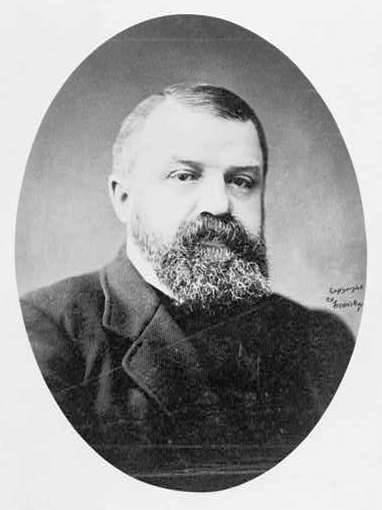
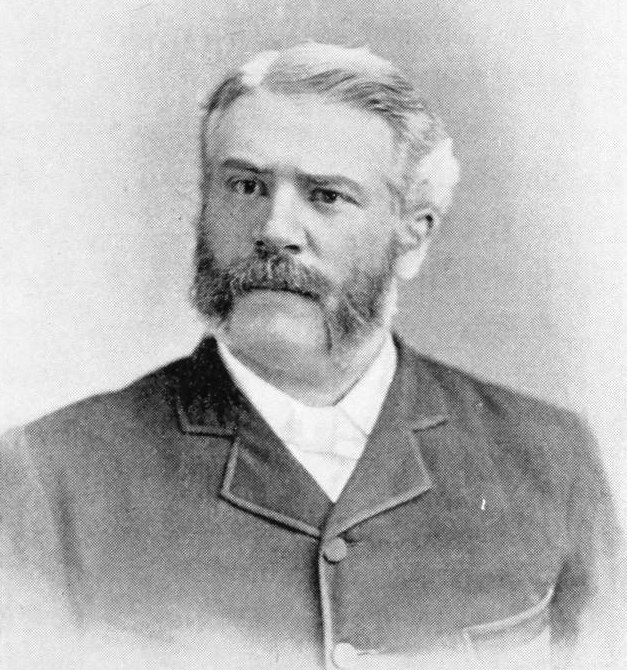
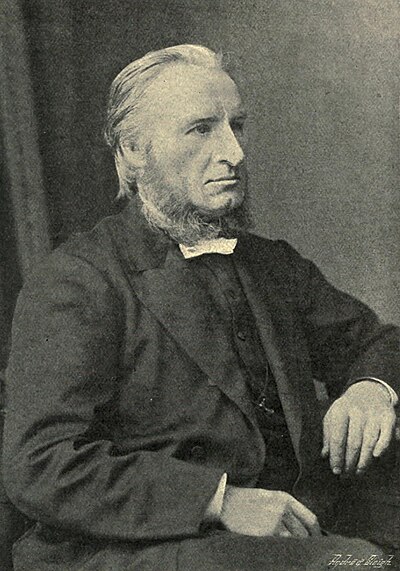
Thomas Davidson was a Scottish philosopher, educator, and writer known for his contributions to the fields of philosophy and education during the late 19th century. Born in 1840 in the Scottish Highlands, Davidson was deeply influenced by the intellectual currents of his time, particularly German idealism and the works of philosophers like Hegel and Kant. He pursued an academic career, becoming a prominent figure in the Scottish philosophical community and advocating for educational reform. His belief in the importance of a holistic education led him to emphasize the development of character alongside intellectual growth. Davidson's literary output included essays, lectures, and philosophical treatises, with notable works such as "The Philosophy of Education" and "The New Idealism." He was particularly interested in the relationship between philosophy and education, arguing that philosophical inquiry should inform teaching practices. His ideas on the integration of moral and intellectual education were ahead of their time and laid the groundwork for future educational theories. Despite his relatively limited recognition today, Davidson's work has been influential in shaping modern educational philosophy and continues to resonate with educators and philosophers alike. He passed away in 1900, leaving behind a legacy of thought that challenged conventional educational paradigms and inspired future generations.
Famous Quotes
View all 1 quotes“For every evil under the sun There is a remedy or there is none. If there be one, seek till you find it; If there be none, never mind it.”
Books from the author


Link to this page
Add a free, dofollow link to Lex on your blog, forum, syllabus, or reading list.

<a href="https://lex-books.com/author/thomas-davidson"><img src="https://lex-books.com/badges/read-on-lex.svg" alt="Thomas Davidson on Lex" width="160" height="40"></a>[](https://lex-books.com/author/thomas-davidson)[url=https://lex-books.com/author/thomas-davidson][img]https://lex-books.com/badges/read-on-lex.svg[/img][/url]Thomas Davidson on Lex: https://lex-books.com/author/thomas-davidson